
A confidential directive issued by the National Unity Government (NUG) on 6 March, has ignited a rare public dispute within the anti-junta resistance over the management of fuel supplies to the ethnic states.
Signed by U Lwin Ko Latt, the directive mandates that all fuel transit through NUG-controlled divisions or federal units destined for Kachin, Chin, and Rakhine States must now obtain explicit permission from the NUG Ministry of Home Affairs and Immigration.
“Since there was no prior discussion with our organizations, we don’t know the intent behind this letter. If followed, this directive effectively treats the people in Kachin, Chin, and Rakhine States with discrimination,” Salai Thang Cung Phe, Chairman of the Interim Chin National Consultative Council (ICNCC), told Mizzima.
Salai Thang Cung Phe added that allowing fuel storage in the central regions while requiring NUG approval for transport to other states creates confusion and potential dissent among the public, which he views as a negative sign.
He further noted that while transport was previously free, these new restrictions could lead to black markets and skyrocketing fuel prices in the states, causing hardship and loss for civilians struggling to access fuel.
U Nay Phone Latt, spokesperson for the NUG Prime Minister’s Office, explained to Mizzima that the directive aims to prevent fuel from reaching the military junta.
“The main reason is to strictly monitor fuel, so it doesn’t reach the terrorist military. If it is confirmed that the transport belongs to our allies, passage will be permitted,” he said.
The directive, which orders “allowing all types of oil to enter controlled areas but strictly prohibiting their exit,” was addressed to Union Ministries, the NUG Coordination Office, Military Region 1 Command Office, and district and township administration teams.
The directive also claims that because Middle Eastern oil exports are disrupted by the war in Iran, causing a global fuel crisis, it is a time when state-level policies must be implemented to manage resources for the public.
From the date of the directive, township tax and fine collection gates are required to strictly implement the order, and relevant departments have been notified to issue necessary further instructions.
Dissatisfaction regarding this confidential NUG directive has emerged among the Chin people and revolutionary circles, with widespread criticism appearing on social media.
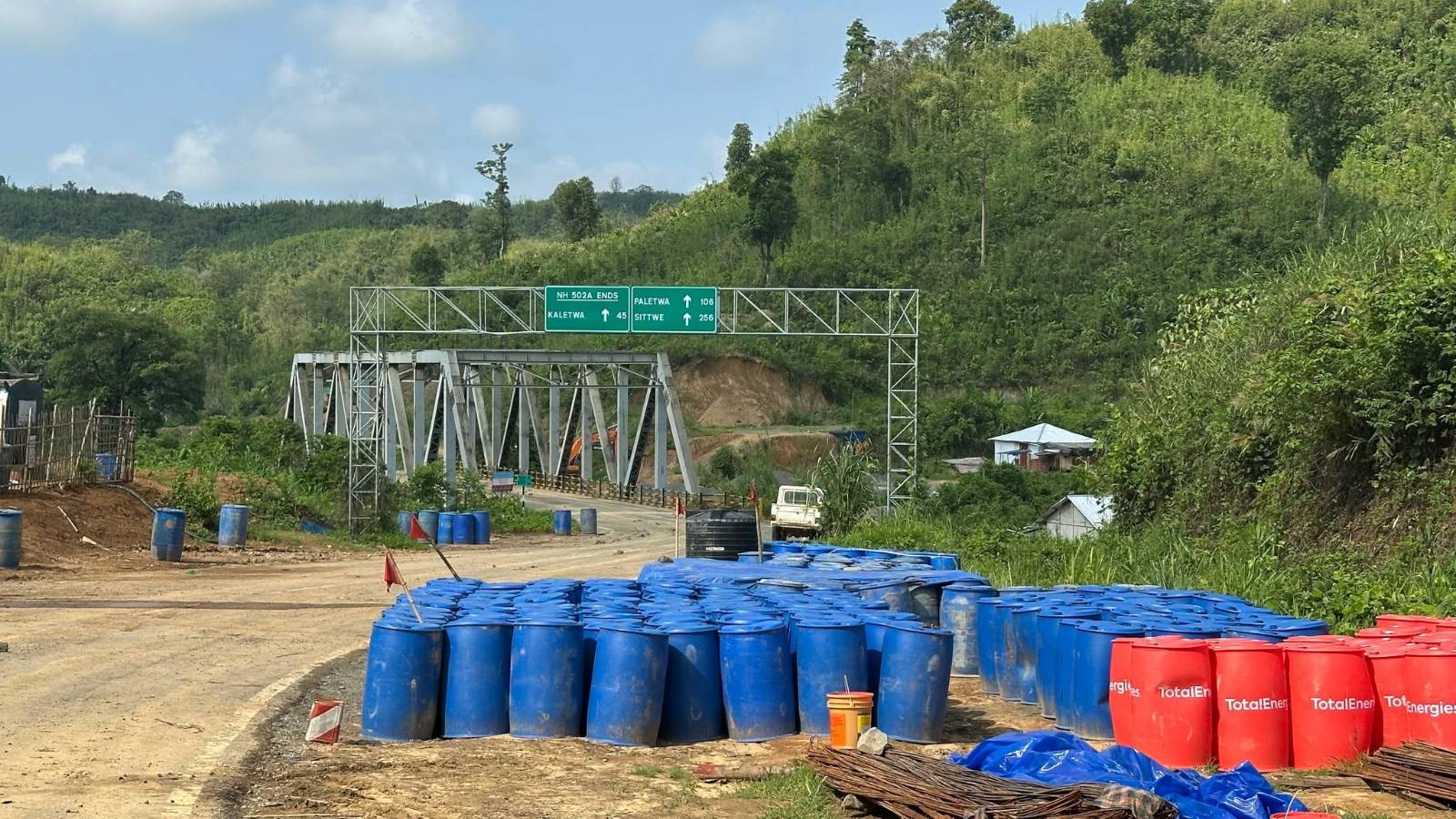
Out of the nine townships in Chin State, the junta is only stationed in Hakha and Tedim, while revolutionary forces control the remaining seven. Fuel is reportedly imported from the central plains and India.