
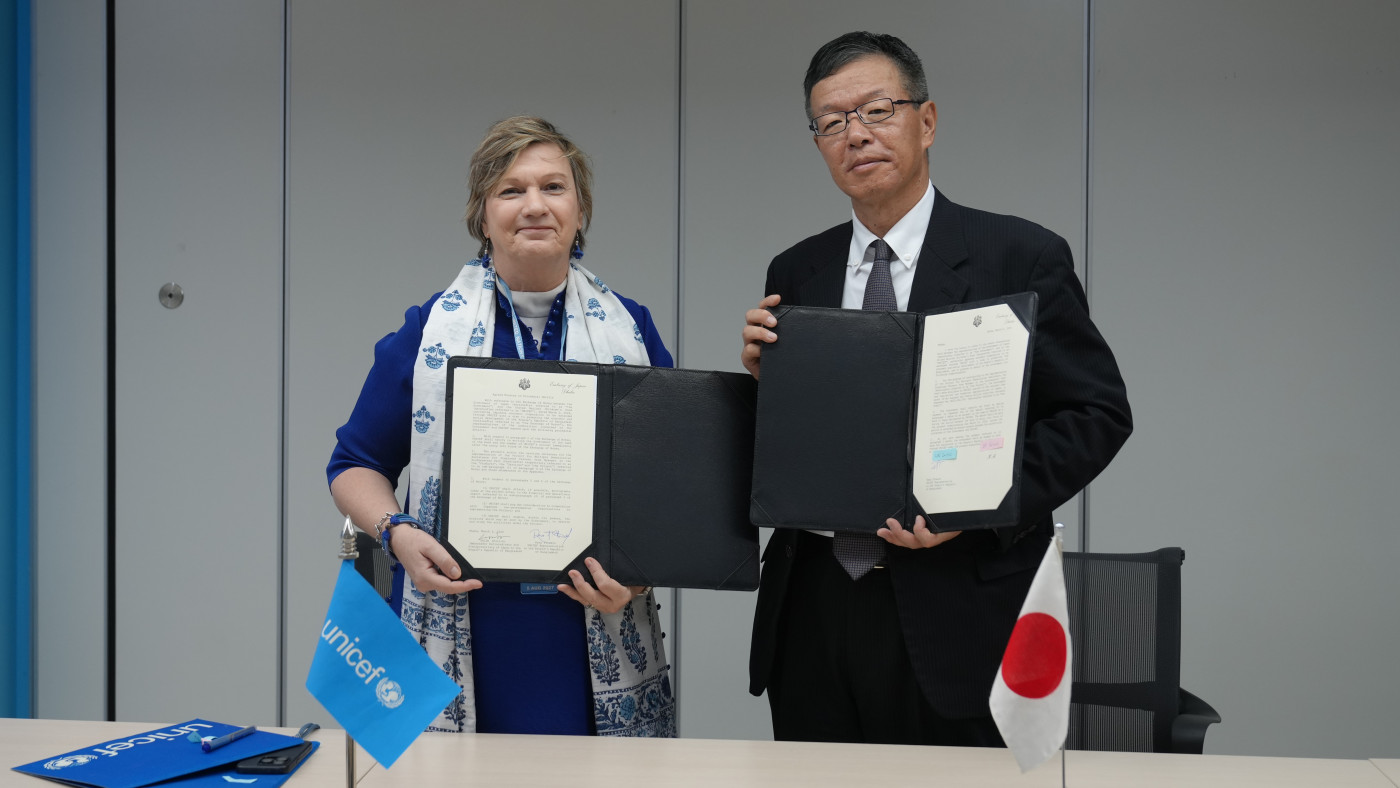
The Government of Japan has signed a new agreement with United Nations Children’s Fund (UNICEF), pledging $1.4 million to provide life-saving assistance to Rohingya refugee children and their families in Cox’s Bazar and Bhasan Char.
According to a UNICEF press release issued on 2 March, the funding will benefit more than 56,500 refugees, including over 36,000 children, through critical interventions in education, water, sanitation and hygiene (WASH), nutrition, and health services.
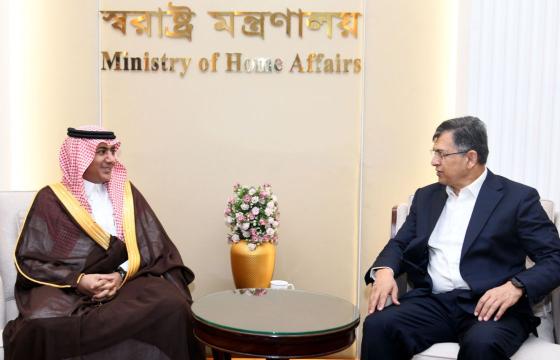
The agreement was formally signed in Dhaka by Japanese Ambassador to Bangladesh Saida Shinichi and UNICEF Representative in Bangladesh Rana Flowers.
Ambassador Saida stated that the new contribution comes at a time when global humanitarian funding is declining, underscoring Japan’s continued commitment to vulnerable populations.
“I am pleased to announce Japan’s new agreement with UNICEF, especially amid declining global funding. This assistance prioritizes essential services such as education, WASH, nutrition, and health, reflecting Japan’s long-standing partnership with UNICEF and our strong commitment to human security,” the ambassador said.
He added that the support aims to enhance the resilience and dignity of Rohingya refugees as well as host communities, reaffirming Japan’s sustained engagement in the humanitarian response in Bangladesh.
Now entering its ninth year, the Rohingya crisis remains one of the world’s largest and most protracted humanitarian emergencies. Overcrowded camps, recurrent disease outbreaks, persistent malnutrition, and limited access to formal learning opportunities continue to expose children to significant protection and health risks.
Rana Flowers emphasized that Rohingya children face daily threats ranging from communicable diseases and undernutrition to disrupted education.
“The support from the Government of Japan will help keep children healthy and in learning, promote skill-building pathways, and enable families to better care for their youngest children,” she said, describing the partnership as a critical investment in children’s survival, dignity, and future prospects.
Under the new agreement, UNICEF will expand access to the Myanmar Curriculum for Rohingya children on Bhasan Char and strengthen formal education and skills development programmes for adolescents in Cox’s Bazar.
The partnership will also improve safe water supply systems and sanitation facilities to reduce the risk of cholera, dengue, and other waterborne and vector-borne diseases. Hygiene kits, including soap and menstrual hygiene materials, will be distributed to households to promote public health and gender equity.
Aligned with Japan’s global advocacy for universal health coverage, the funding will enhance services aimed at preventing and treating child malnutrition and improving maternal and newborn healthcare. This includes support for the Newborn Stabilisation Unit on Bhasan Char and primary healthcare centres in Cox’s Bazar.
Since the onset of the Rohingya emergency in August 2017, Japan has contributed more than $250 million to UN agencies and non-governmental organizations in Bangladesh. Of that total, approximately $47 million has been channelled through UNICEF to support Rohingya children and their families.