
Funding to strengthen shelter repairs, healthcare services, and clean cooking solutions for camps hosting over 1.18 million Rohingya
The Government of Japan has pledged $2.6 million to support humanitarian assistance for Rohingya refugees living in camps in Bangladesh, funding critical services including shelter materials, primary healthcare, and clean cooking equipment.
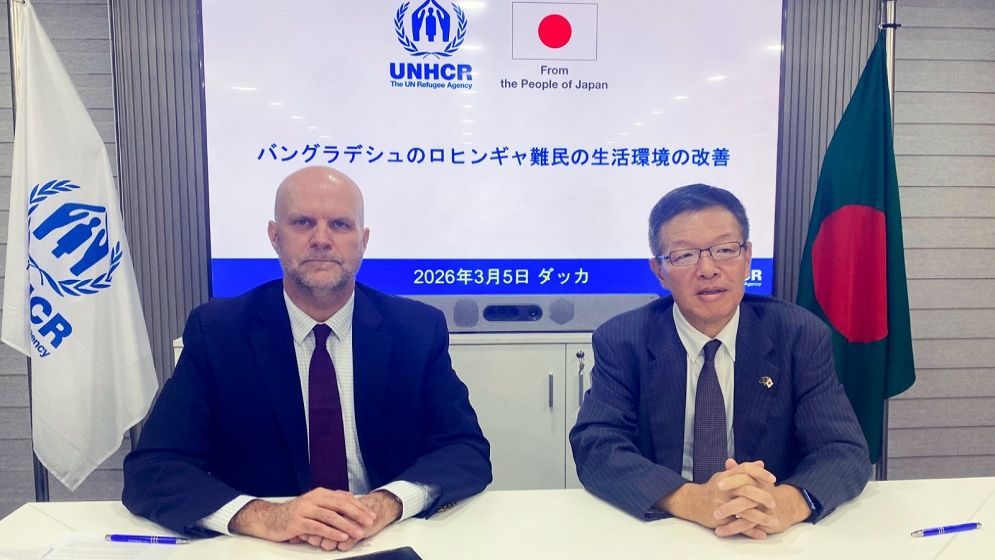
The agreement was formalized through an Exchange of Notes signed by Saida Shinichi, Ambassador of Japan to Bangladesh, and Ivo Freijsen, Representative of the United Nations High Commissioner for Refugees (UNHCR) in Bangladesh.
The contribution will enable UNHCR to maintain essential humanitarian services in refugee camps that host approximately 1.18 million stateless Rohingya, one of the largest and most densely populated refugee populations in the world.
Nearly nine years after fleeing targeted persecution and violence in Myanmar, Rohingya refugees remain heavily dependent on humanitarian assistance for protection, safety, and daily survival.
Shelter and Health Support
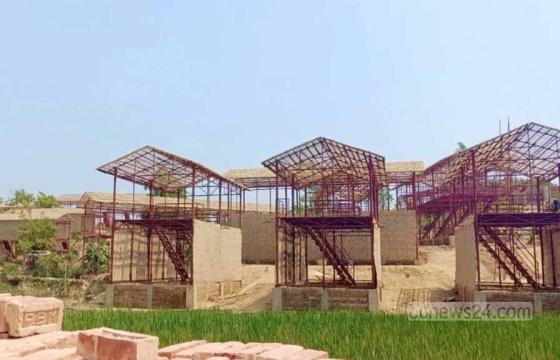
The camps, located mainly in Cox’s Bazar District, face severe weather conditions including heavy monsoon rains, strong winds, and periodic drought. Most shelters are built from bamboo and tarpaulin and frequently require urgent repairs.
Japan’s funding will support the provision of essential shelter repair materials for around 3,300 refugee households. The program will also train and mobilize 300 Rohingya shelter volunteers to help maintain and strengthen housing structures inside the camps.
The assistance will further strengthen healthcare services by supporting primary healthcare centers and health posts, while engaging 162 Rohingya refugees as community health workers. These roles provide limited livelihood opportunities for refugees while strengthening community-based healthcare delivery.
Clean Cooking Solutions
The grant will also provide clean cooking stove sets to approximately 32,000 Rohingya households.
These stoves complement UNHCR’s liquefied petroleum gas (LPG) distribution program, helping refugees avoid collecting firewood from surrounding forests — a practice that has historically exposed women and girls to protection risks and contributed to environmental degradation.
Access to LPG has helped reduce deforestation in the forested hills surrounding the camps while allowing children more time for education rather than household labor.
Continued International Support
UNHCR Representative Ivo Freijsen welcomed Japan’s continued assistance, noting the growing challenges facing humanitarian operations.
“The people of Japan’s steady support is deeply appreciated as the Rohingya enter their ninth year of displacement,” Freijsen said. “Severe reductions in global aid threaten lifesaving programs and risk reversing critical progress made in the camps.”
Freijsen added that humanitarian agencies and the Government of Bangladesh remain committed to protecting refugees’ dignity and well-being until conditions in Myanmar allow for safe, voluntary, and dignified return.
Japanese Ambassador Saida Shinichi said Tokyo hopes the assistance will improve living conditions for Rohingya refugees.
“Japan’s supplementary funding to UNHCR will provide critical assistance to Rohingya refugees in Bangladesh,” he said. “We are confident this partnership will bring tangible improvements, and Japan remains committed to supporting a more secure and stable future for the Rohingya community.”
Long-Term Partnership
Humanitarian agencies are currently preparing to launch the 2026 Joint Response Plan (JRP) for the Rohingya humanitarian crisis.
Since the mass displacement of Rohingya from Myanmar in 2017, Japan has been one of the leading donors to the response, contributing more than $260 million to UNHCR, other UN agencies, and Bangladeshi non-governmental organizations.
Aid officials warn that continued international support will remain essential as the humanitarian crisis persists and durable political solutions remain uncertain.