
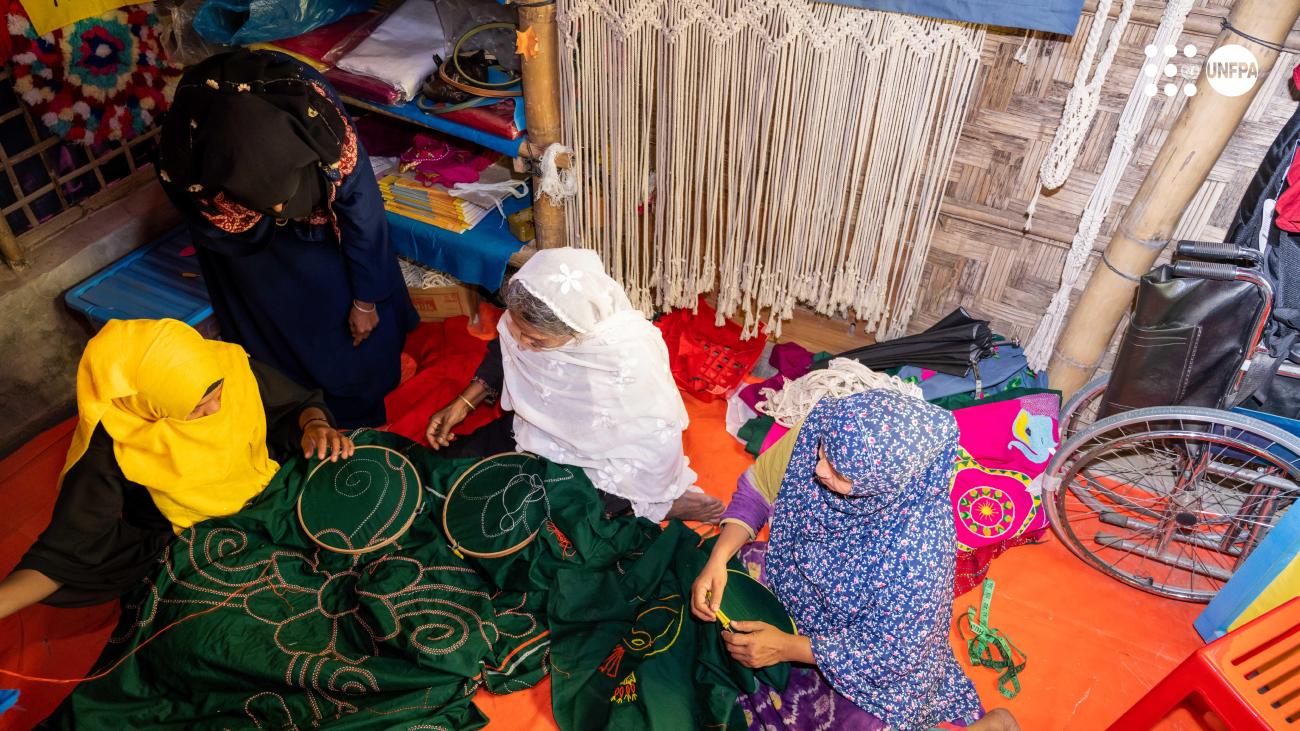
“Rising Together” Initiative Expands Protection, GBV Prevention and Youth Leadership in Cox’s Bazar and Bhasan Char
More than 62,000 Rohingya refugees and members of host communities — primarily women, adolescent girls and young people — have accessed protection and support services through dedicated safe spaces established in Cox’s Bazar district and on Bhasan Char island.
The services are delivered under the Switzerland-funded “Rising Together” project, implemented by the United Nations Population Fund (UNFPA) in Bangladesh and supported by the Swiss Agency for Development and Cooperation (SDC).
Expanding Women’s Friendly Spaces and Youth Centres
During its first year of implementation, the initiative expanded “Women’s Friendly Spaces” and “Youth Centres,” providing structured services focused on:
- Prevention and response to gender-based violence (GBV)
- Sexual and reproductive health (SRH) support
- Psychosocial counselling and trauma care
- Life skills and leadership development
According to UNFPA, women and girls have received confidential counselling, medical referrals and specialized protection services. These services are particularly critical in the Rohingya camps, where displacement, overcrowding and prolonged uncertainty heighten risks of domestic violence, exploitation and early marriage.
Youth Centres, meanwhile, have provided structured and safe environments for adolescents and young adults to develop leadership competencies, conflict resolution skills and community engagement capacity. Through the Youth4Peace curriculum, young participants are encouraged to contribute to peacebuilding initiatives and social cohesion activities within camps and host communities.
Addressing Protracted Displacement Challenges
Nearly nine years after the 2017 mass exodus from Myanmar’s Rakhine State, approximately 1.4 million Rohingya refugees remain in Bangladesh, primarily in Cox’s Bazar — the world’s largest refugee settlement. Limited livelihood opportunities, movement restrictions and aid funding shortfalls continue to create protection vulnerabilities, particularly for women and youth.
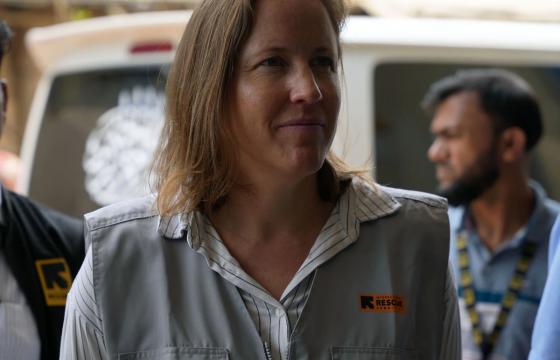
UNFPA Representative in Bangladesh, Catherine Breen Kamkong, emphasized the long-term significance of sustained support.
“Switzerland’s support is sustaining life-saving services while expanding opportunities for women and young people to lead in their communities,” she said. “By investing in safe spaces for women and youth, we are helping communities protect dignity today and build resilience for the future.”
The Embassy of Switzerland in Bangladesh reaffirmed its commitment to inclusive humanitarian assistance. Diepak Elmer, Deputy Head of Mission and Head of Cooperation, stated that the “Rising Together” initiative ensures Rohingya refugees and host communities maintain access to essential protection, health and psychosocial services amid ongoing humanitarian pressures.
Strengthening Social Cohesion and Mental Health Support
Beyond direct services, the project promotes resilience and social cohesion between Rohingya refugees and local Bangladeshi host communities. Youth-led revitalization efforts have transformed shared spaces into community gardens, small libraries and learning corners, fostering interaction and cooperation.
Peer-led psychosocial outreach and helpline services have also been expanded to reduce stigma surrounding mental health — a persistent challenge in displacement settings. These services aim to connect vulnerable individuals to professional care while building trust within communities.
A youth participant described the impact succinctly: “Peace is when we can smile together without fear. These sessions give us hope.”
Second-Year Focus: Preventing Child Marriage and Promoting Leadership
As the program enters its second year, UNFPA and SDC will prioritize:
- Prevention of child marriage
- Strengthening women’s community leadership
- Youth empowerment and civic responsibility
- Long-term resilience-building strategies
With humanitarian funding gaps widening globally, protection-focused interventions such as safe spaces are increasingly viewed as critical infrastructure in protracted refugee contexts.
For Rohingya women and youth, the continuation of structured, confidential and community-based services remains central to dignity, protection and future stability.