
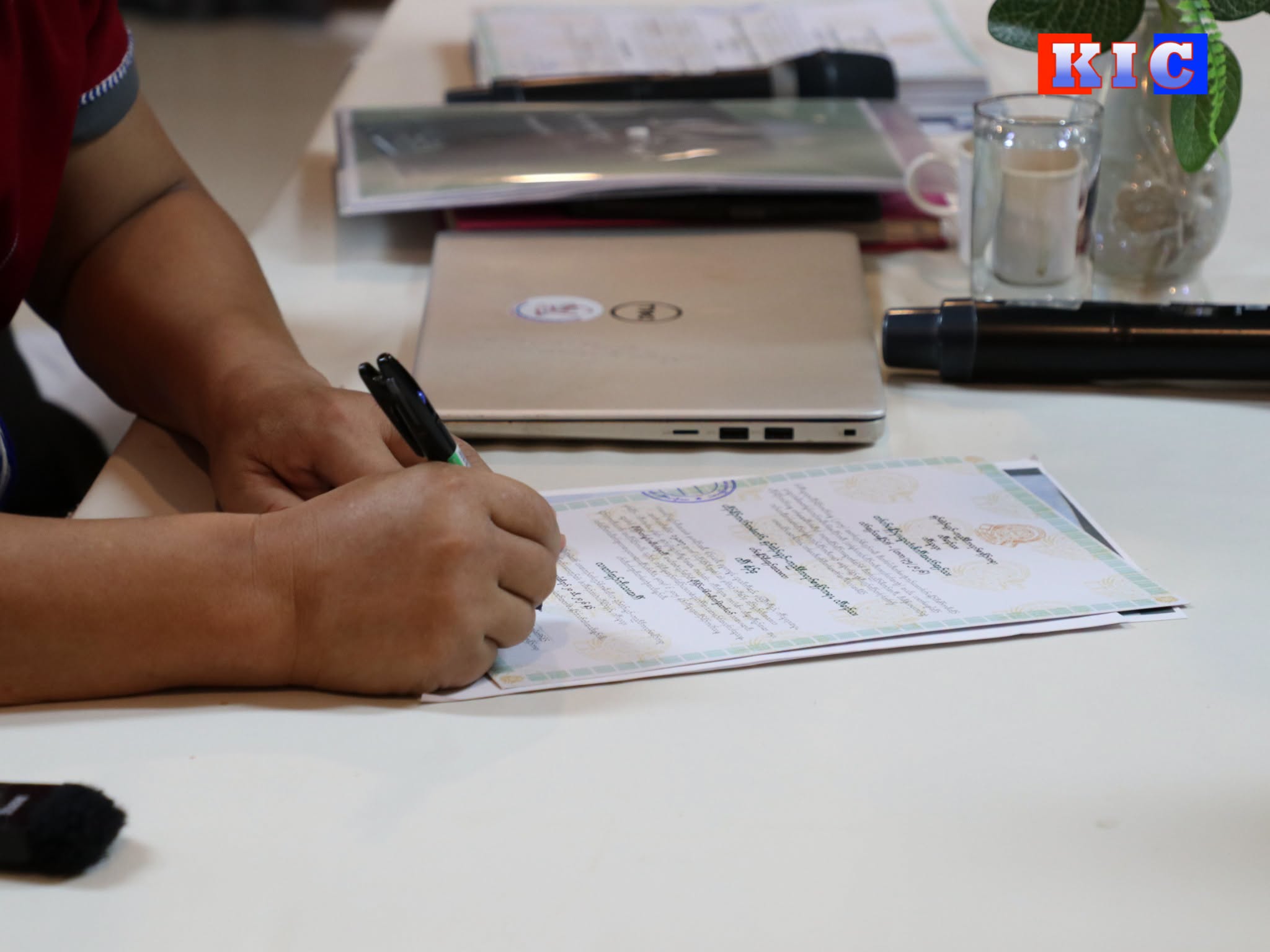
The Karen National Union (KNU) Central Executive Committee signed and approved the designation of 33 ‘Kaw’ territories covering a total of 380,984.1 acres in areas under KNU control on September 3.
The 33 ‘Kaw’ territories are areas governed under the traditional systems of Indigenous communities.
‘Kaw’ refers to a traditional territorial governance system that has existed among Indigenous Karen communities since before modern administrative systems emerged. Under the system, local communities protect, conserve and manage land, forests, mountains and natural resources in accordance with their traditional customs and practices.
According to KNU, 10 of the newly designated 33 ‘Kaw’ territories are located within the Salween Peace Park zone in Mutraw (Hpapun) District, while the remaining 23 are in the Thawthi Taw-oo Indigenous Park area in Tawoo (Taungoo) District.
The KNU Central Executive Committee said the recognition of the ‘Kaw’ territories aims to protect Indigenous communities’ land rights, ensure the long-term conservation of the environment, forests, water and land, and preserve the traditional cultural identity of the Karen people.
“By officially recognizing these ‘Kaw’ territories, local communities will benefit because they can manage their own territories, make a living according to their traditional practices and preserve their customs and traditions,” said Padoh Saw Lay Say, head of the Agriculture and Farming Department under the Central Executive Committee.
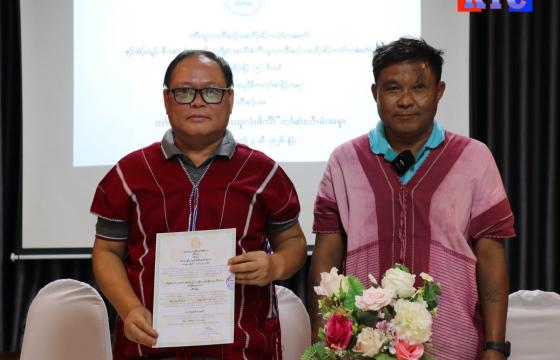
The signing ceremony to officially designate the ‘Kaw’ territories, held at an undisclosed location near the Thailand-Myanmar border, was led by Padoh Saw Eh Kalu Say, head of the Land Committee under the Central Executive Committee. Administrative authority over the territories will also be transferred to the relevant districts, townships and villages.
Each ‘Kaw’ territory is recognized as having its own traditional land-management system, governance by traditional leaders, and the authority to manage land, forests and natural resources in accordance with customary law.
Padoh Saw Eh Kalu Say said successive military dictatorships had refused to protect and promote Indigenous communities’ customary practices. In contrast, the ‘Kaw’ territories will be managed through the communities’ own customary practices and traditional governance systems.
More than 300 candidate areas have been proposed across Kawthoolei, the historic and aspirational homeland of the Indigenous Karen people, for recognition based on their existing systems of territorial governance and the protection and preservation of traditional customs. The KNU is reviewing the proposed areas before officially recognizing them as ‘Kaw’ territories.
The Central Executive Committee’s latest decision marks the second round of ‘Kaw’ designations. In 2022, the KNU recognized a total of five ‘Kaw’ territories in the first round — four in Tawoo District and one in Mutraw District.