
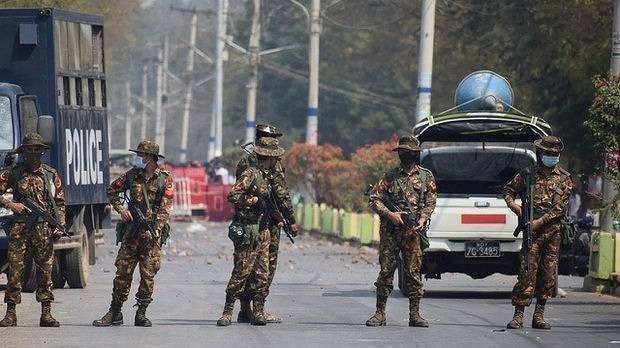
A growing health emergency is unfolding in rural Myingyan Township, where stepped up military checkpoints, arbitrary arrests, and severe medicine shortages have led to dozens of preventable deaths, according to local sources and humanitarian reports.
More than 200 villages in the township have limited access to healthcare facilities, most of which lack doctors. Frequent arrests and thorough inspections at junta checkpoints have severely restricted the flow of medicine, leading to delayed or denied treatment.
“Just one small clinic serves ten villages. It’s staffed only by a nurse and a health assistant. Many patients are bedridden and have no access to treatment. Some have died from conditions as basic as excessive bleeding or chronic illness,” said a supporter of a local defence force.
Local sources report that over 20 people have died since last year, many from preventable or treatable conditions. The majority of the deceased are elderly people, patients with chronic illnesses, and those suffering from excessive bleeding.
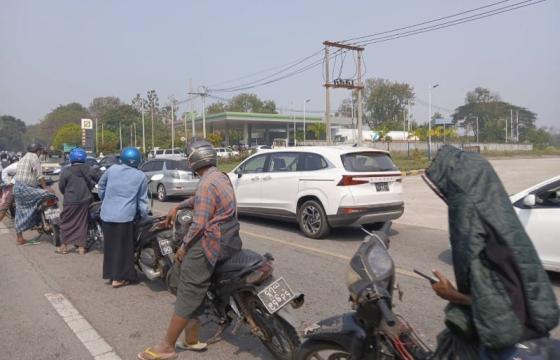
Locals say roadblocks and fear of arrest have prevented many from traveling to hospitals in Mandalay for urgent care.
“Even trying to buy medicine is a risk. Pharmacies treat everyone like suspects. I couldn’t even buy two months’ supply for my mother. Wounded civilians have to lie and say they were hurt by the PDF to get treatment. If they say it was a junta airstrike or shelling, they’re denied care—or worse, detained,” said a local villager.
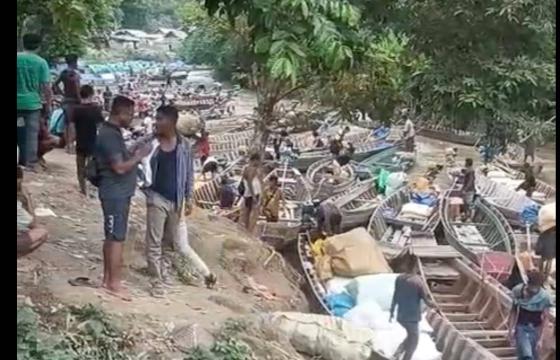
The crisis is compounded by the junta’s detention of over 200 traders and drivers heading to Myingyan, leaving many afraid to travel for medical help or supplies.
Local efforts to provide healthcare are under constant threat.
“We built a clinic with our own hands, but junta airstrikes destroyed it in three weeks. We keep relocating, rebuilding shelters and bomb bunkers, but supplies are low, and prices are sky-high. Transporting anything is dangerous,” said a member of the Myingyan Township People’s Administration Team.
Since revoking medicine import licenses in September 2024, the junta has implemented a restrictive new system, worsening shortages in Mandalay Region, Sagaing Region, and Rakhine State. Villages in Myingyan now face critical shortages of basic and emergency drugs, including antivenom—vital in an area with a high number of venomous snakebites.
Local resistance groups control much of rural Myingyan, but the town itself remains under junta and Pyu Saw Htee militia control. As arrests, surveillance, and restrictions intensify, residents say accessing lifesaving healthcare has become nearly impossible.