

Poverty is a leading cause in student dropouts across rural Mon schools in Southern Burma, according to a report released by the Woman and Child Rights Project (WCRP) on 2 June.
 The report titled “Inaccessible and Under-Resourced: Concerns Over Education in Rural Mon Communities” draws on interviews with 146 individuals, conducted by the WCRP in 17 villages in Ye, Kyarinnseikkyi and Yebyu townships in southern Burma.
Highlighted in the report were the issues of student dropouts, resource constraints and the the significant challenges faced by both students and teachers in rural Mon areas. It also stated that three quarters of student absenteeism was due to difficulties families faced in earning a livelihood.
Mi Htaw Chan, the WCRP coordinator said: “Among families that we met, one family is so poor that the parents cannot afford to send their children to school. The elder sister went to Thailand to earn money in order to support her younger siblings going to school back home. But, because the sister had an accident and injured herself, she could not continue supporting her siblings throughout their education.”
The WCRP’s report included findings concerned with education at three primary schools under the control of the Ministry of Education, ten schools run by the Mon National Education Committee (MNEC) and ten mixed schools run by both but with a greater influence from the Ministry of Education.
The report also gave reasons why children dropout of school. These included the distance needed to travel to attend class, an obligation to help with housework, and encountering problems while studying.
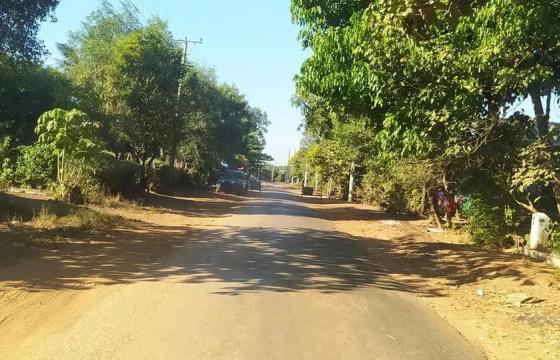
Mi Htaw Chan said: “Last year, a school girl was raped on the way to her school in a village in Yebyu Township. Because the school is quite far away from the village, the parents do not want their children to go to school,” .
Another obstacle concerns resource shortages, such as insufficient stationary and other materials for use in class. It was also found that overall, schools are understaffed.
Although the student to teacher ratio varied across the schools, ultimately, there was a lack of teachers with some classes numbers hovering around 35 students per teacher. Whilst the ratios weren’t excessively high, there are concerns over the training teachers receive before entering the classroom with regards to handling a class and teaching effectively.
WCRP concluded by calling for all parties, including the Burmese government, MNEC and international aid groups to take action and help address the concerns raised in the report.