
Escalating military conflicts in the Middle East have prompted farmers in rural Myanmar to worry about potential fuel shortages and rising prices.
Petrol stations in some cities closed on March 3, while long lines of vehicles formed at those that remained open. The junta later announced that it had sufficient domestic fuel reserves and promised new measures to address the problem. Although long queues at fuel stations have since disappeared, concerns remain among the farming community.
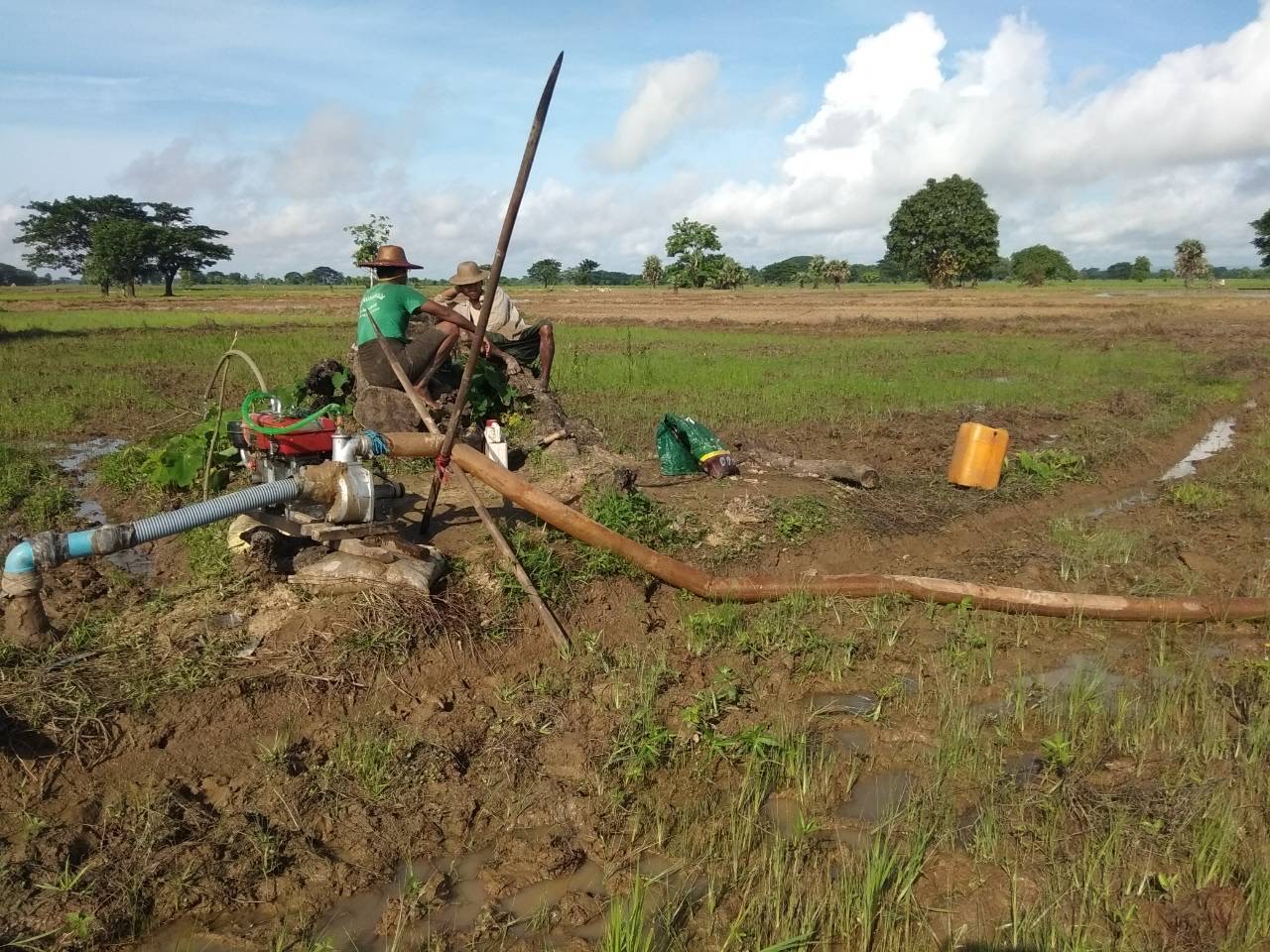
In the Ayeyarwady Region, Myanmar’s rice hub, farmers urgently need fuel to pump water for summer rice planting. However, fuel stations are currently selling only limited amounts, making it difficult for them, a local farmer who wished not to be named said.
“On March 3, after hearing news about a possible shortage, we went to fuel stations hoping to buy as much fuel as we could to stockpile. But most stations said they were out of stock. Prices haven’t increased yet, but I’m worried that fuel traders might take advantage of the situation and start selling at higher prices,” he told KIC.
Fuel prices stayed stable at over MMK 2,000 per liter until the end of last week. However, some shops have stopped selling fuel, and some people are stockpiling it, he added.
Many countries around the world are concerned about potential fuel shortages after Iran closed the Strait of Hormuz, a crucial maritime route for international oil trade, amid its ongoing conflict with the United States and Israel.
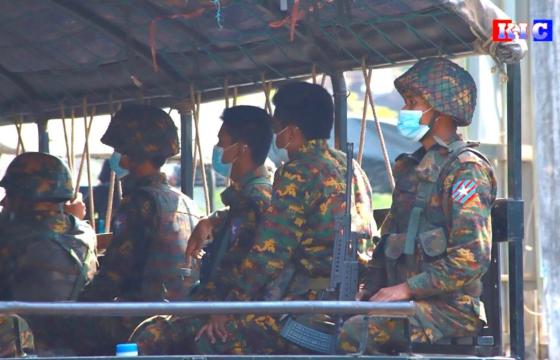
Junta spokesperson Major General Zaw Min Tun said the country still has enough fuel for 40 days and that more tankers are expected to arrive, so there is no need to worry.
Fuel traders have previously exploited uncertainty to raise prices excessively, and if this happens again, it could threaten agriculture, a farm owner from Myaungmya Township in the Ayeyarwady Region said.
“For now, we can manage to buy fuel in limited amounts. But if the Iran war goes on too long, oil prices could skyrocket, and then we’ll be in really big trouble. Fuel and fertilizer are our biggest expenses for farming every year,” she told KIC.
To conserve fuel, the junta has introduced an odd–even driving rule for private vehicles, allowing cars with even-numbered plates to drive only on even dates and odd-numbered plates on odd dates. The regime also warned that it would take action against hoarding, price gouging, and noncompliance.