
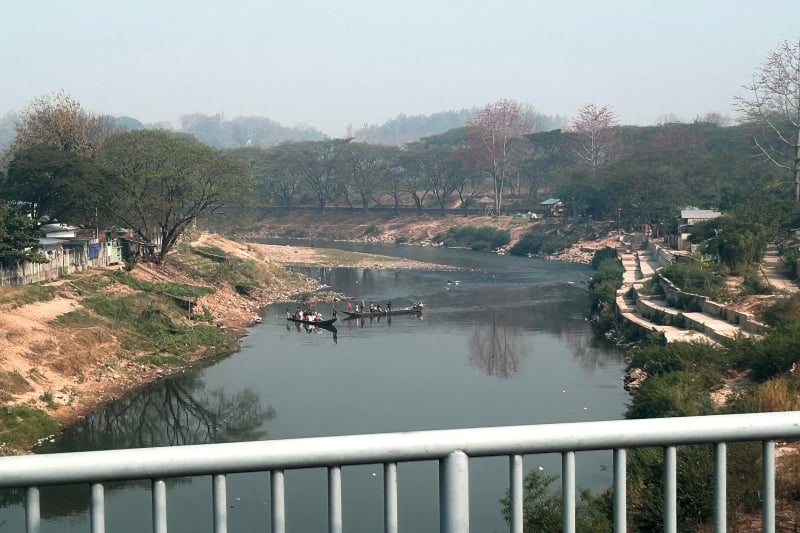
Thai authorities have ramped up inspections in Mae Sot, a Thai-Myanmar border town, in recent weeks intensifying challenges for Burmese residents, particularly those without documentation, according to sources in the area.
Beginning in early June, Thai police and immigration officials began enforcing stricter traffic laws, including inspections of electric bicycles and tricycles commonly used by Burmese migrants. From 20 June onward, a joint task force expanded checks into residential dormitories and rental units.
Mae Sot is home to many Burmese fleeing military conscription and participating in the Spring Revolution. Many rely on electric bicycles, vehicles that typically do not require a driver’s license, for daily transportation, including taking children to school.
“At first, we used e-bikes to take kids to school, but now it’s very difficult. Some parents don’t have any official documents and can’t even register for a police card. They’ve started switching to regular bicycles, while others still use e-bikes secretly. But things are getting tougher,” said one Burmese parent.
Authorities have begun inspecting not only public roads but also apartment buildings. Migrants say even those with complete documentation live in fear, as discrepancies in listed addresses can lead to arrest. Thai law requires landlords to report foreign tenants within 24 hours using the TM30 guest registration form. Failure to comply can result in prosecution.
On 20 June, police raided two rental units in Mae Pa village, arresting two undocumented Burmese nationals and their landlord, who had not registered their stay.
“Every Burmese person feels anxious when they see Thai police. Even with the right documents, we worry about house raids. Those without papers are even more vulnerable. It’s their country—we’re just trying to get by,” a Mae Sot resident told local media.
The crackdown is also affecting housing. Some landlords are now refusing to rent to undocumented tenants, leaving many struggling to find shelter.
“Someone I know still hasn’t received their residence permit. The landlord said no more undocumented tenants. Now he doesn’t know where to go,” another resident said.
Economic activity in Mae Sot has also taken a hit. Inspections have led to the temporary closure of several businesses, especially those suspected of hiring undocumented workers. On 23 June, Thai authorities raided a Burmese tea shop near Mae Sot market, arresting four Burmese nationals and one Thai woman. Immigration officials confirmed they will face legal action.
Thailand prohibits foreigners from working in 27 occupations, including driving, tour guiding, hairdressing, street vending, Thai massage, and making traditional Thai crafts. These restrictions have left many Burmese workers at risk of arrest or job loss.
As enforcement tightens, Mae Sot’s migrant population remains in a precarious position—caught between fleeing repression at home and navigating an increasingly unforgiving environment across the border.