
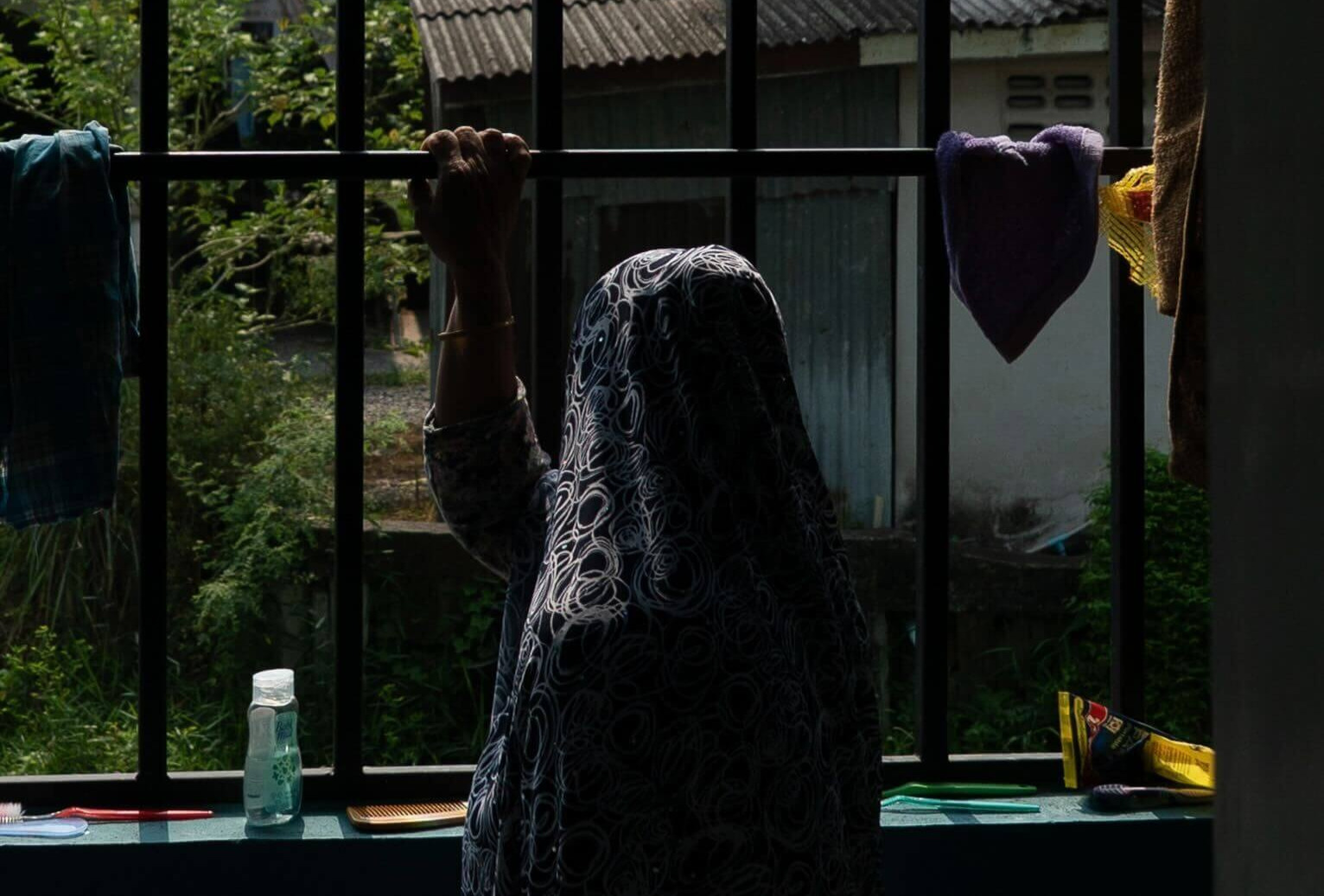
Rights group Fortify Rights has called on Thai authorities to immediately grant legal protection and pursue third-country resettlement options for Rohingya refugees who were forcibly returned to Myanmar by Indian authorities and later fled to Thailand.
According to the group, the refugees—initially deported from India nearly ten months ago—are now exposed to arbitrary detention, extortion, and the risk of further forced return, in violation of international law.
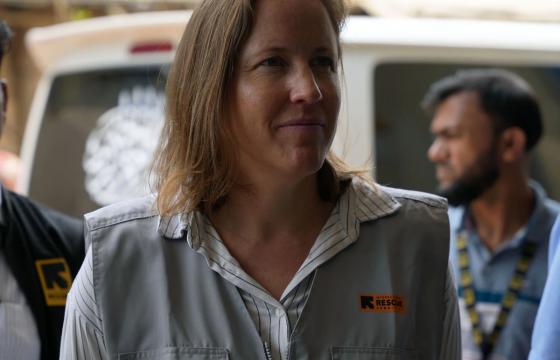
“Rohingya refugees are being pushed from one danger to another,” said Puttanee Kangkun, a senior official at Fortify Rights. “Regional governments must end unlawful returns and ensure coordinated protection mechanisms that uphold human dignity.”
Forced Return and Maritime Abandonment
In May 2025, Indian authorities allegedly detained dozens of Rohingya refugees in New Delhi under the pretext of biometric verification. Survivors report that approximately 40 individuals—including women—were subsequently transported by air to a remote location in the Andaman Sea and abandoned near Myanmar’s coastline.
Testimonies collected by Fortify Rights describe serious abuses during the operation, including physical violence, degrading treatment, and sexual assault. Refugees were reportedly blindfolded, restrained, and deprived of basic necessities before being forced into the sea and instructed to swim ashore.
The victims, many of whom held documentation issued by the United Nations High Commissioner for Refugees, were left without protection in a region experiencing ongoing armed conflict.
Survival in Conflict Zones
After reaching Myanmar’s Tanintharyi Region, the group spent several months in areas affected by fighting between the military junta and resistance forces. Survivors described constant displacement, exposure to airstrikes, and severe humanitarian hardship.
Fearing for their lives, the group fled to Thailand in February 2026. However, their situation remains precarious.
Legal Protection Gaps in Thailand
Thailand currently does not formally recognize refugee status under domestic law, leaving asylum seekers vulnerable to arrest and detention under immigration regulations.
While the government introduced a National Screening Mechanism (NSM) in 2019, rights organizations report that Rohingya refugees are largely excluded from the process on national security grounds.
Despite legal provisions prohibiting forced return—including the 2022 anti-torture law—there are ongoing concerns about the continued deportation of vulnerable populations.
The principle of non-refoulement, a cornerstone of international law, prohibits returning individuals to countries where they face serious harm. Rights advocates argue that returning Rohingya to Myanmar—where they face documented risks of genocide and persecution—constitutes a clear violation of this obligation.
Regional and International Implications
The case highlights broader failures in regional refugee protection systems across South and Southeast Asia. Hundreds of thousands of Rohingya remain displaced across Bangladesh, Malaysia, Thailand, and Indonesia, with limited access to legal protection or durable solutions.
At the same time, international legal scrutiny continues. The International Court of Justice is currently hearing a landmark genocide case against Myanmar, filed by The Gambia under the Genocide Convention.
Calls for Accountability
Fortify Rights has urged India to investigate allegations of abuse and unlawful deportation, and to hold those responsible accountable. It also called on Thailand to ensure protection for the refugees and prevent further violations.
“These survivors were unlawfully returned to a conflict zone and are now left without protection,” said Kangkun. “States must meet their legal obligations and ensure refugees are not subjected to further harm.”