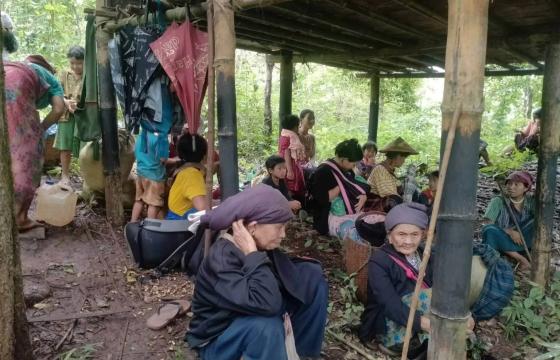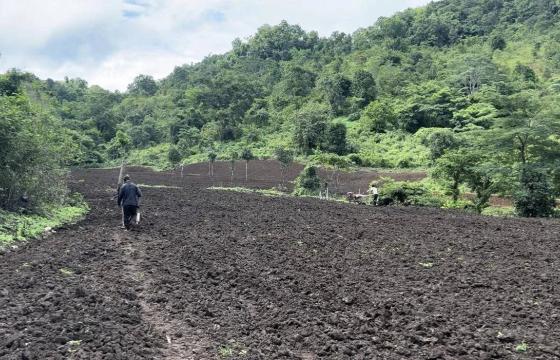

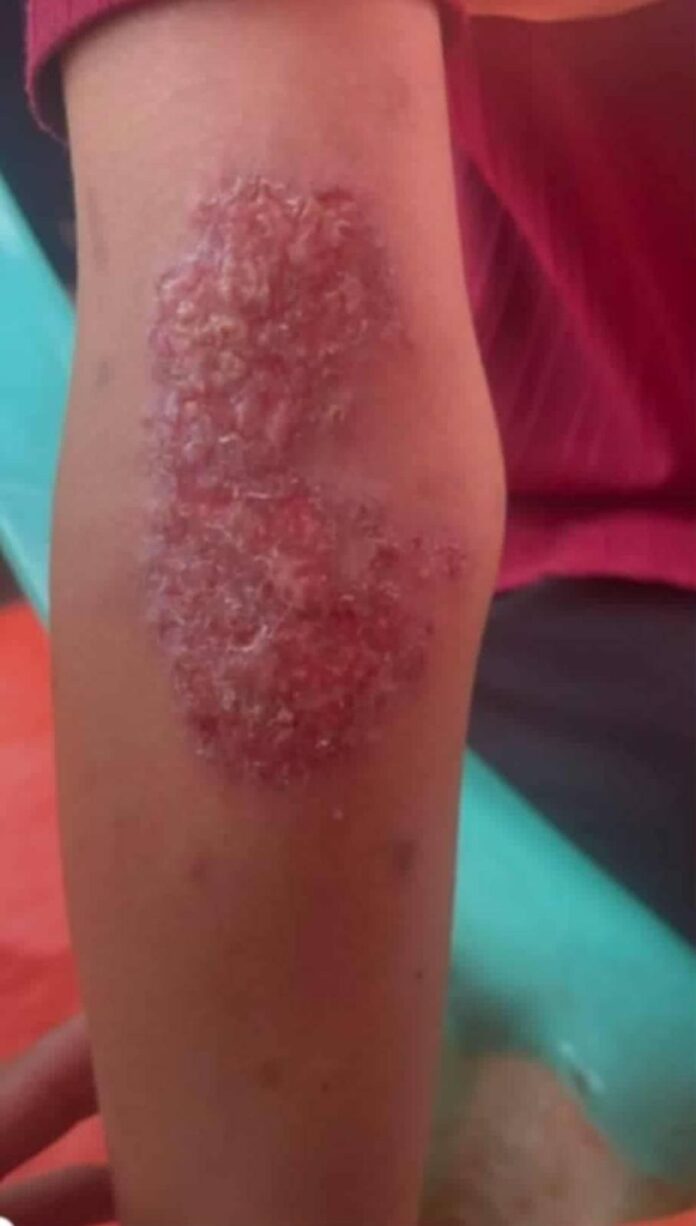
In western Dee Maw Hso Township, Karenni State, internally displaced persons (IDPs) at the “Htaye Kay Lyar” camp continue to suffer from widespread skin infections, according to a midwife working inside the camp.
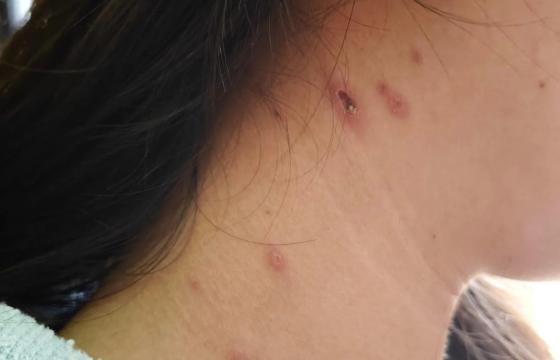
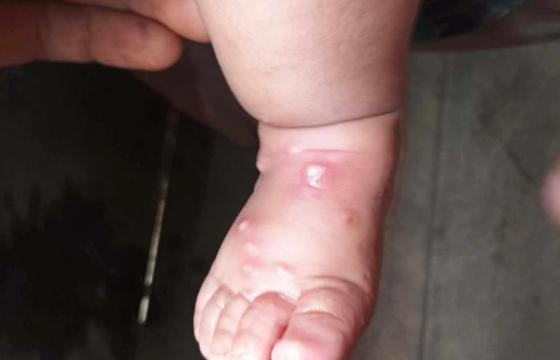
“Currently, more than 50 individuals are suffering from skin infections. While some have shown signs of recovery, many continue to experience abscesses and persistent sores. None have fully recovered, as the conditions keep recurring,” the midwife reported.
Although the camp has a small clinic, there is an ongoing shortage of medicines needed to treat these infections, she added.
The midwife further noted that the outbreak is likely linked to poor access to clean water and limited personal hygiene.
“The IDPs are forced to use stream water. Since they have to fetch it from below the hills, it is difficult for them to maintain proper hygiene. Water is scarce, and with small huts and crowded living conditions, sanitation is also very weak,” she said.
At present, patients rely on the limited oral and topical medicines available at the camp clinic, but they still need to purchase other essential drugs from outside pharmacies.
A health worker who provided mobile medical services to the camp also confirmed that teenage girls are particularly affected.
“During mobile checkups, most of the cases we saw were among children, young people, and the elderly. In particular, many teenage girls had sores on their hands and feet. The wounds dried up, but they never fully healed,” she said.
These skin infections have been recurring since January this year and have yet to be fully eradicated.
The “Htaye Kay Lyar” camp shelters displaced villagers from several communities in southern Shan and Karenni State, including Mine Phyat, Saw Lan, Kwan Lon, Kayah Nye Khu, Daw Paw Kaleh, Ywar Nge, Noe Khoe, and Htaye Ngalyar. Aid workers said they are still unable to confirm the exact number of IDPs, as they continue to move in and out of the camp.