
I. A CHILD SURVIVOR AT THE CENTER OF A HIDDEN SYSTEM
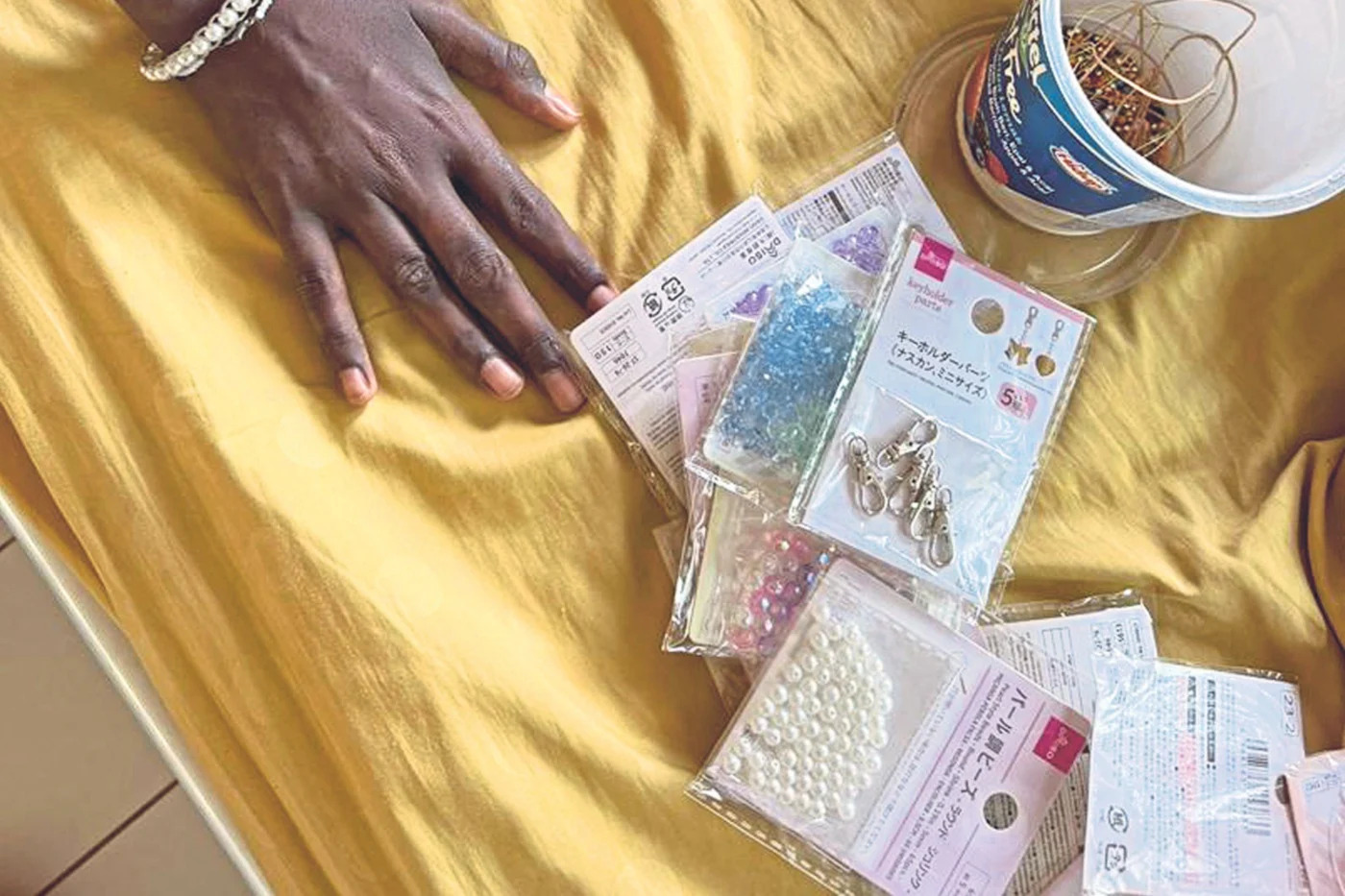
The case of a 12-year-old Rohingya girl treated by Médecins Sans Frontières (MSF) in Penang is not an isolated humanitarian tragedy. It is a rare, documented entry point into a deeply embedded transnational trafficking ecosystem stretching across Southeast Asia.
Severely malnourished, infected with malaria and parasitic diseases, and psychologically traumatized, the girl’s condition reflects the cumulative violence of displacement, statelessness, and organized exploitation.
Her journey—from Myanmar’s Rakhine State through Bangladesh and Thailand to Malaysia—maps precisely onto routes long associated with Rohingya trafficking networks.
II. GEOPOLITICAL DRIVERS: STATELESSNESS AND REGIONAL FRAGMENTATION
The trafficking of Rohingya refugees cannot be separated from their legal status.
Denied citizenship under Myanmar’s 1982 nationality framework, Rohingya remain effectively stateless, a condition that violates principles outlined by the United Nations High Commissioner for Refugees (UNHCR).
Mass displacement following the Rohingya crisis 2017 created one of the world’s largest refugee populations concentrated in Bangladesh’s Cox’s Bazar camps.
However, the absence of durable solutions—repatriation, resettlement, or integration—has produced a protracted crisis. This vacuum is systematically exploited by trafficking syndicates.
Regionally, Southeast Asia lacks a unified refugee protection regime. Malaysia, a key destination country, is not a signatory to the 1951 Refugee Convention, creating legal ambiguity that traffickers exploit.
III. TRAFFICKING NETWORK ARCHITECTURE
1. Recruitment Phase (Myanmar–Bangladesh)
Victims are often recruited from camps in Cox’s Bazar through deception, coercion, or social pressure. Recruiters—frequently embedded within refugee communities—offer transport to Malaysia with promises of employment and safety.
Payments range from RM5,000 to RM10,000, creating debt-based dependency even before departure.
2. Maritime Transit (Bay of Bengal–Andaman Sea)
Refugees are transported by boat under dangerous conditions. These journeys often involve overcrowded vessels, limited supplies, and high mortality rates.
3. Jungle Detention System (Thailand)
Upon arrival in southern Thailand, migrants are transferred to remote jungle camps—informal detention centers functioning as extortion hubs.
These camps gained global attention following the Wang Kelian mass graves 2015, yet evidence suggests similar structures persist in modified forms.
Victims are:
Held in captivity
Starved or abused
Forced to contact families for ransom
Failure to pay often results in torture or execution.
4. Cross-Border Smuggling (Thailand–Malaysia)
Migrants are smuggled across porous borders into Malaysian states such as Kedah and Kelantan.
Corruption, weak enforcement, and geographic complexity enable these crossings.
5. Destination Exploitation (Malaysia)
Upon arrival, refugees enter an informal labor market dominated by “3D jobs” (dirty, dangerous, demeaning).
Without legal recognition, many face:
Wage exploitation
Workplace injuries without protection
Risk of detention
Unaccompanied minors, like the 12-year-old survivor, are particularly vulnerable to trafficking, forced labor, or early marriage.
IV. HUMAN COST: TESTIMONY OF EXTREME VIOLENCE
The girl’s account aligns with documented patterns of abuse.
During eight months in jungle transit:
Survivors lived on minimal food (boiled vegetation)
Sick individuals were executed
Bodies were burned to conceal evidence
She witnessed the death of her mother under these conditions.
Such practices meet thresholds associated with crimes under international law, including inhumane treatment and potentially crimes against humanity depending on scale and systematic nature.
V. LEGAL ANALYSIS: INTERNATIONAL LAW AND ACCOUNTABILITY
1. Trafficking and Smuggling Frameworks
Under the United Nations Office on Drugs and Crime (UNODC) Palermo Protocol:
Human trafficking involves coercion, exploitation, and abuse of vulnerability
Smuggling becomes trafficking when exploitation occurs
The Rohingya case frequently transitions from smuggling to trafficking during jungle detention.
2. Child Protection Obligations
The victim’s status as a minor invokes protections under the Convention on the Rights of the Child (CRC), including:
Protection from exploitation
Right to healthcare
Right to identity and guardianship
Failure to ensure these protections raises serious compliance concerns.
3. Statelessness and Refugee Law Gaps
The absence of legal status in Malaysia limits enforcement of rights, despite UNHCR registration mechanisms.
This creates a protection vacuum where humanitarian actors substitute for state responsibility.
VI. SYSTEMIC GAPS IN MALAYSIA
Despite humanitarian efforts by organizations like MSF:
There is no formal legal framework recognizing refugees
Access to public services remains restricted
Long-term integration policies are absent
MSF reports a rising number of unaccompanied minors, indicating a growing structural vulnerability.
VII. REGIONAL SECURITY AND POLICY IMPLICATIONS
The persistence of trafficking routes signals:
Weak regional coordination
Insufficient prosecution of trafficking networks
Continued profitability of human smuggling
Without coordinated ASEAN-level intervention, these networks are likely to evolve rather than disappear.
VIII. CONCLUSION: A CRISIS WITHOUT ENDPOINT
The recovery of the 12-year-old girl—now able to walk and undergoing rehabilitation—represents a rare outcome in a system where many disappear without record.
Her case illustrates a broader reality: Rohingya displacement is no longer a singular humanitarian crisis but a sustained transnational system of exploitation.
Until structural drivers—statelessness, legal exclusion, and regional policy fragmentation—are addressed, trafficking networks will continue to operate with impunity.