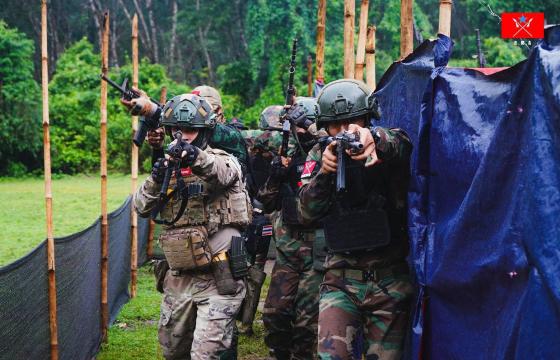

Sai Hseng Leng — More violence broke out in Panglaung (aka Pinlaung: ပၢင်လွင်း) Township in southern Shan State, where junta fighter jets shelled positions held by resistance groups and eight government soldiers were killed on Monday.
“The clashes were fierce until yesterday. A jet fighter attacked at least twice and there was fighting in Nam Neing village and on the nearby hill,” Ko Benjamin, the Pa-O National Defence Force spokesperson for Kham Kawng told SHAN on Tuesday.
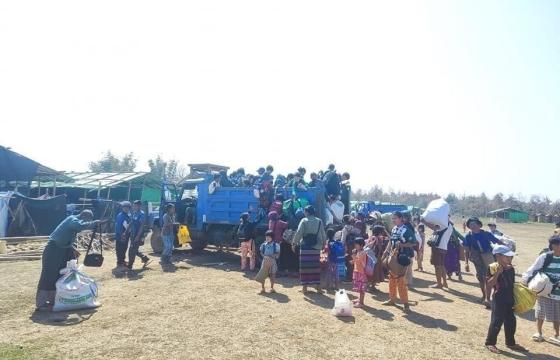
The junta is sending more troops to the township in Taunggyi District, the spokesperson said. Fighting has been raging in the area since 11 March, when the regime massacred 19 civilians and 3 Buddhist monks in Nam Neng. More than 6,000 people were forced to flee their homes to escape the clashes.
On Tuesday, a brief skirmish lasting only a few minutes occurred east of Mobye Lake near the town of the same name in Paikhun (aka Pekon) Township, which is about two hours' drive south of Panglaung Township.
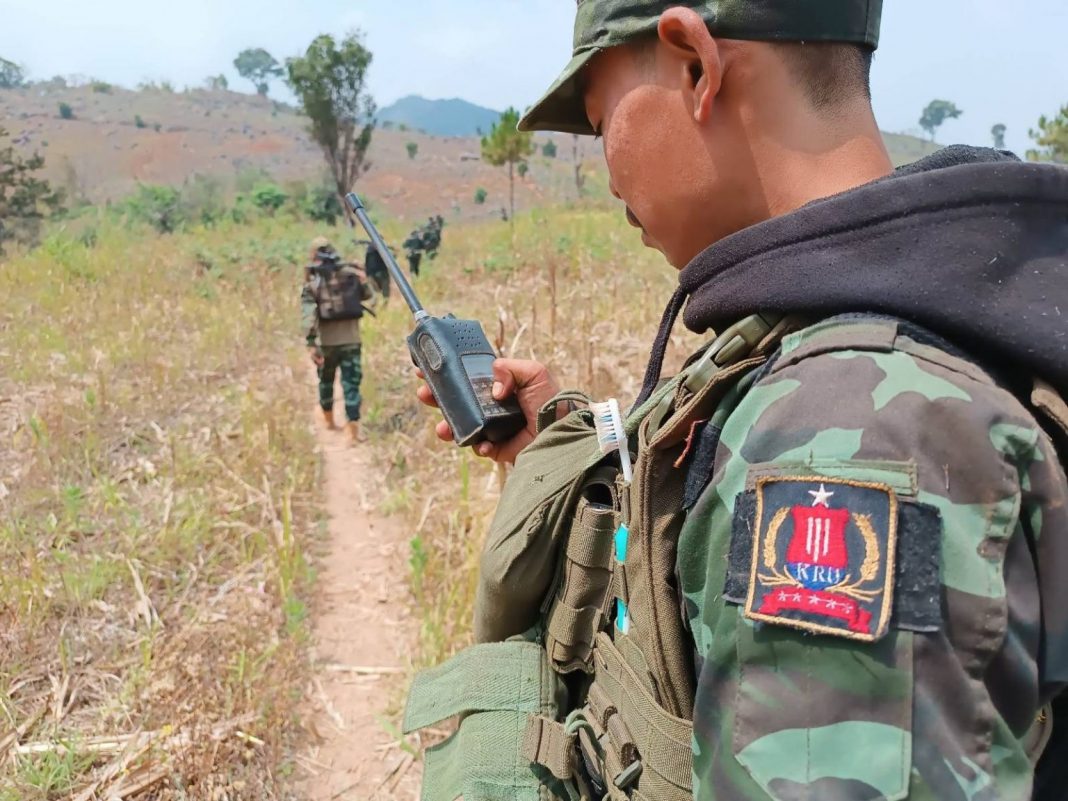
“In general, the situation in Pekon is stable these days,” a soldier from Battalion 2 of the Paikhun People’s Defence Force told SHAN, but with more government soldiers travelling to the area, fighting could start again at any time.
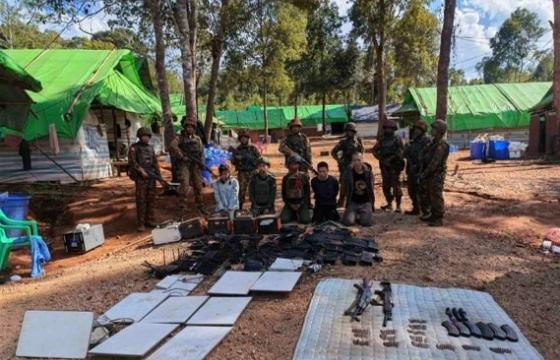
“In March, we captured the bodies of 48 Burma army soldiers during clashes in Hkawng Ei village tract in Paikhun Township. Our troops also captured 23 dead soldiers and arrested 6 living soldiers during fighting east of Pekon Lake,” the soldier said.
4 dead government soldiers were found east of Mobye Lake and 5 in Kon Tha village.