
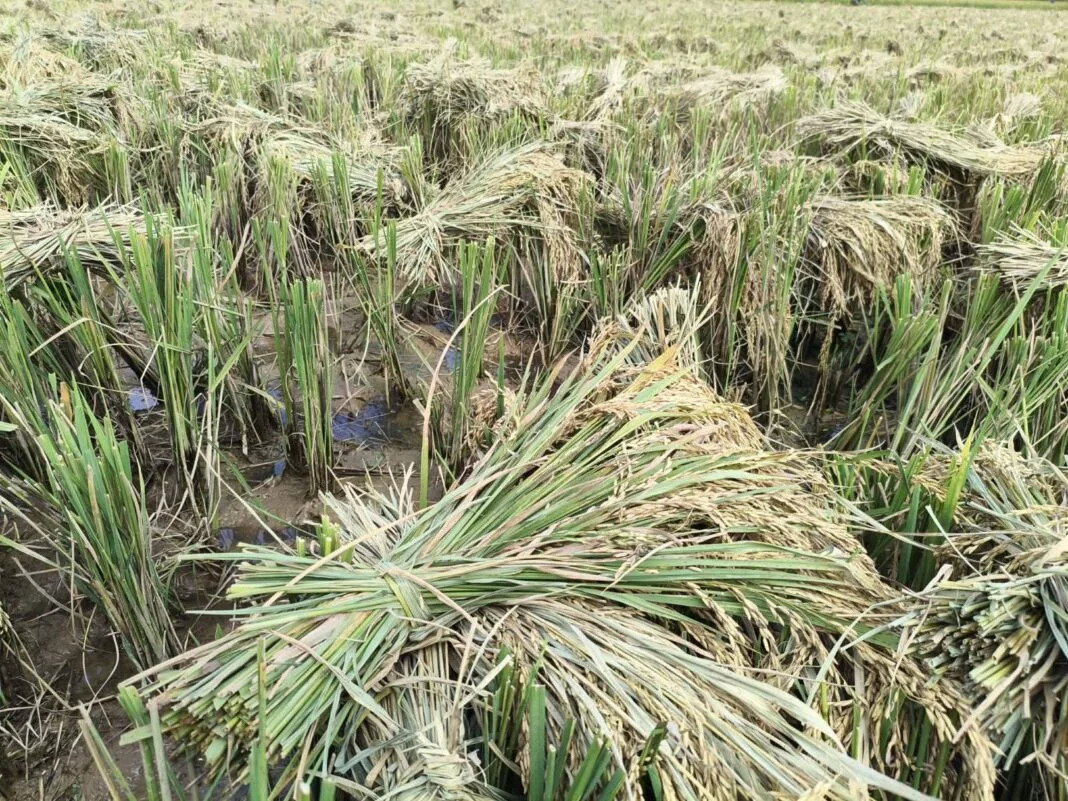
Some local villagers and internally displaced persons (IDPs) along the Southern Shan-Karenni state border are concerned about their livelihoods this year are worried about their livelihoods this year after being unable to harvest the rice and corn they cultivated during the last farming season.
Due to ongoing military offensives by junta forces, many residents were forced to flee their homes and later returned to their villages in an effort to resume farming. However, they have been unable to harvest their crops, as junta troops and allied militia groups have imposed restrictions on civilian harvesting activities and carried out arrests and inspections in the area.
“We didn’t get anything back at all. An entire corn field has yielded nothing. All the money we invested is gone,” said an IDP from the Htee Pa Dar group displacement camp.
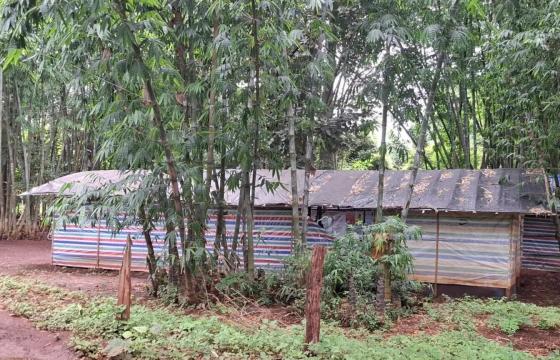
Some displaced people in Southern Shan State, lacking permanent places to stay, have been living in makeshift huts on upland farms and cultivating corn. They said that junta-affiliated militia groups have also forced them to relocate repeatedly.
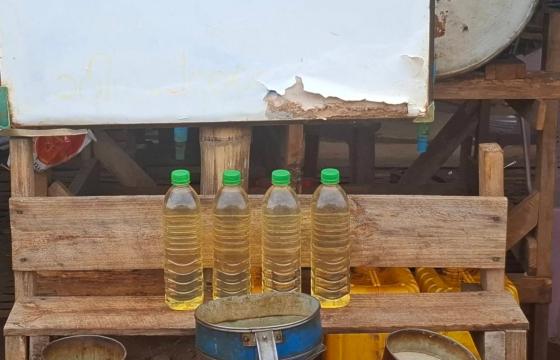
In addition to being unable to harvest their crops, rising commodity prices and poor transportation routes have further increased concerns about food security and daily survival.
“People living on the eastern side of the river face multiple challenges. Some are no longer able to engage in upland farming, while others who lack social connections are not permitted to farm at all. Transportation in this area is also extremely difficult. Combined with rising commodity prices, these conditions have placed displaced families under severe hardship,” another internally displaced person said.
Along the Southern Shan–Karenni border, there are village tracts such as Htee Pa Dar, Htit Kel, Tee Lon and Ko Nan, where local residents as well as displaced people have taken refuge.