
According to officials from organizations assisting war refugees in southern Myanmar, displaced persons’ camps are facing increasing difficulties in receiving aid due to a significant decline in donor contributions.
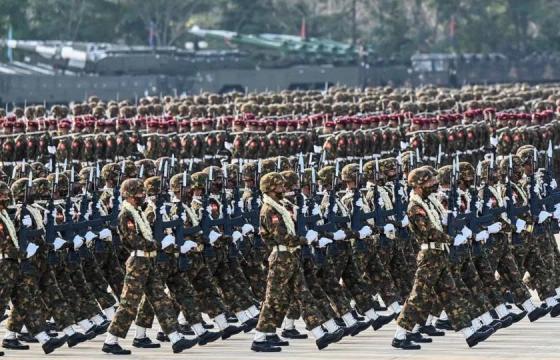
Over the past three months, in the Mon, Karen, and Tanintharyi regions, the military junta’s forces have intensified airstrikes, arson attacks, mortar shelling, and ground offensives, resulting in the destruction of homes and loss of civilian lives.
As the number of displaced persons continues to rise, the need for food, clean water, and medicine has grown. However, humanitarian organizations are struggling to meet these demands, said a female official from the Southern Myanmar Humanitarian Network.
“The elderly, pregnant women, and children are suffering from exhaustion and poor living conditions. Donations from supporters have dropped compared to before. The junta’s ground offensives, airstrikes, mortar shelling, and drone attacks have caused severe damage to civilians’ lives and homes. Over time, donors have become fatigued, and since the crisis covers the entire country, support has slowed down,” she said.
The situation worsened after United Nations agencies assisting the displaced suspended their operations. Currently, only a few international donor organizations ]continue to provide support.
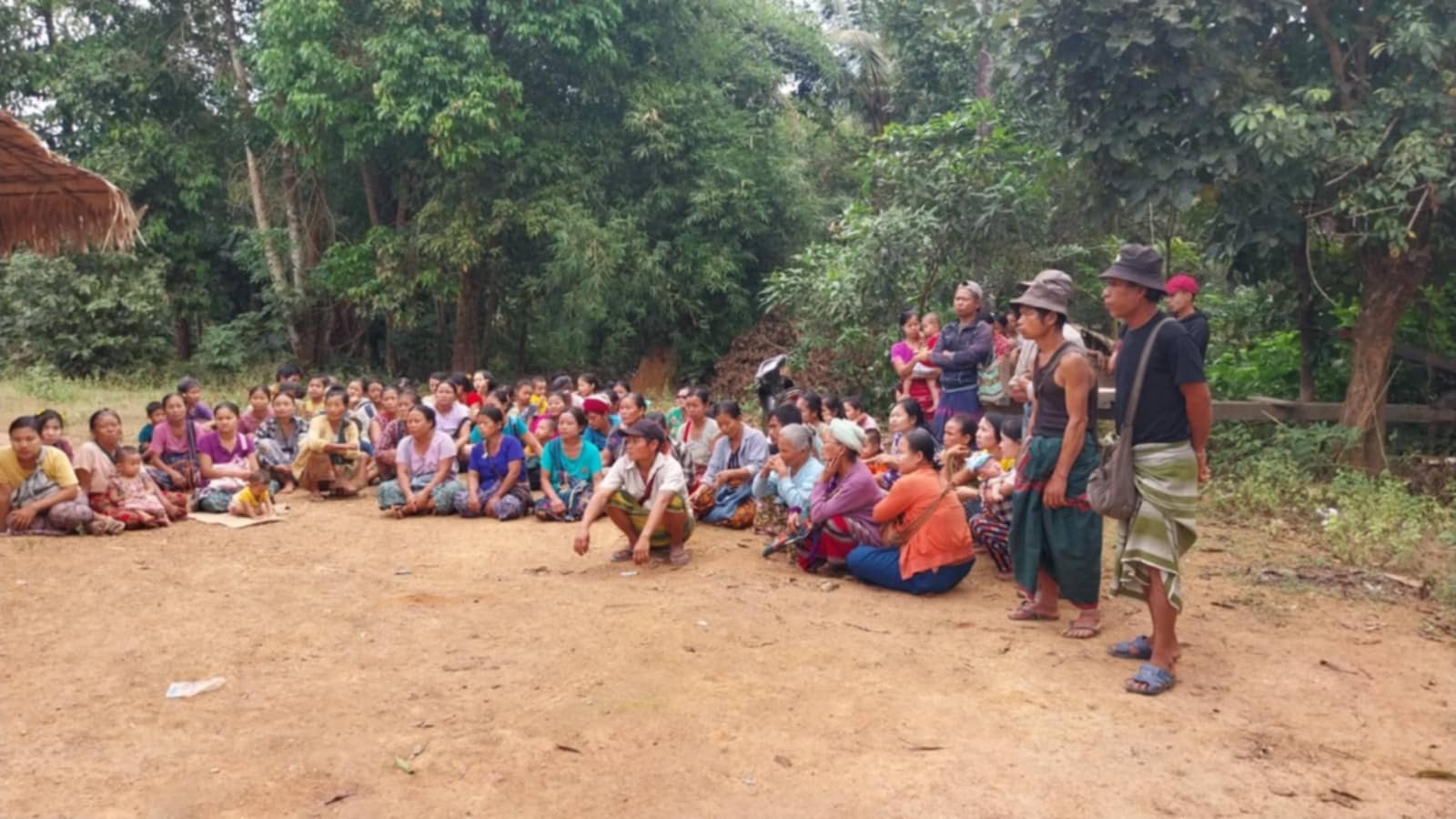
An official from an IDP support group in Ye Township said that due to the lack of aid and job opportunities, most long-term displaced persons in Mon State have crossed into Thailand, while a smaller number are sheltering in gardens or with relatives.
“They no longer stay in organized camps. They live wherever they can. But one thing is certain, they can’t return to their villages. Some have been displaced for over a month. Most have sought shelter in safer areas. There are still people displaced to this day. We are helping as much as we can,” he said.
According to the Southern Myanmar Humanitarian Network, during October alone, over 4,000 people in Mon State, 5,000 in Karen State, and around 2,000 in Yebyu Township of Tanintharyi Region fled their homes due to the junta’s military operations, including air raids, arson attacks, and clearance campaigns.
The displaced populations are reportedly suffering from respiratory infections, skin diseases, and diarrhea.
Following the decline in domestic and international aid, many displaced persons have turned to agricultural work or small-scale labor to survive, while those without income are facing worsening struggles to meet basic needs such as food, shelter, and clothing.