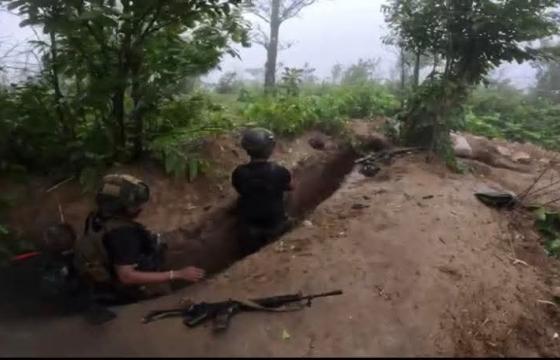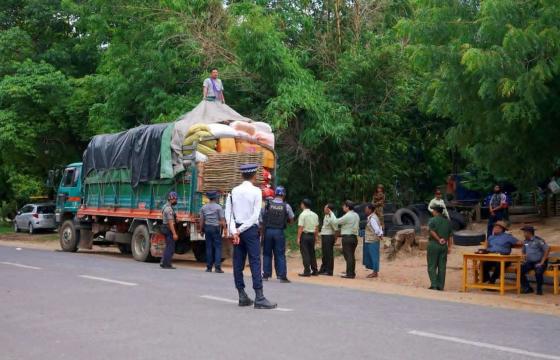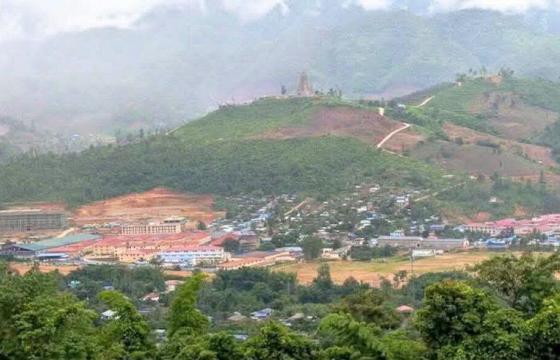

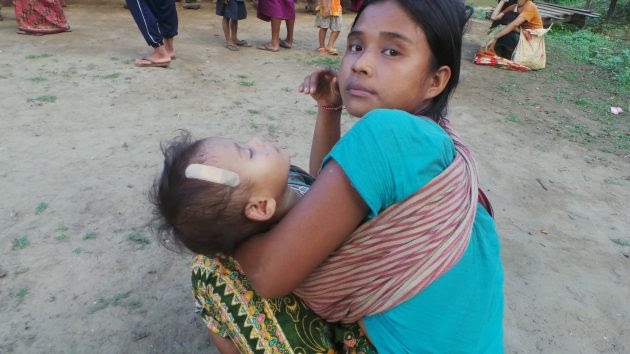
The Free Burma Rangers (FBR) released a report documenting human rights abuses on Karen villagers during fighting between the Democratic Karen Buddhist Army (Splinter DKBA) and the Burma Army supported by Border Guard Forces (BGF).
FBR say that villagers in the Karen National Liberation Army’s KNLA Brigade 7 region have had no respite from the intermittent clashes between the Splinter DKBA Burma Army and the Border Guard Force (BGF).
FBR said both the warring faction are “guilty of committing numerous human rights abuses including forced conscription, new landmine laying, and firing upon civilians.”
The report found that despite the low level of the conflict “the displacement of the people in this area has affected various sectors of livelihood such as ability to grow crops, access to shelter, healthcare, clean drinking water and education.”
FBR said that people ran from their homes “after hearing clashes approaching or after their villages were occupied by the Splinter DKBA or the BGF. Many doubt if they will be able to return home due to the placement of defensive landmines and the possible theft of property and livestock in their absence.”
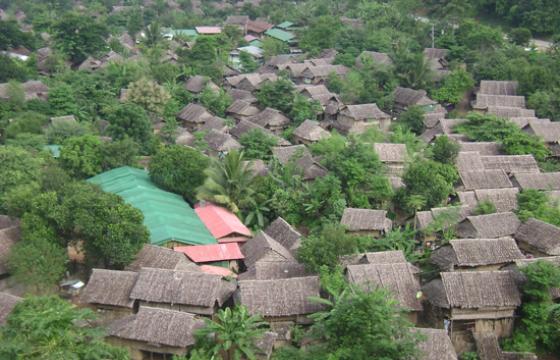
Many of the displaced fled to the villages of Htee Thay Khee and Naw Hta, which are now serving as IDP camps. There are 503 internally displaced people (IDPs) sheltering at Htee Thay Khee Village and 392 at Naw Hta. The situation for the IDPs at Htee Thay Khee is unstable as the village is close to Burma Army bases and if the IDPs there still cannot go home in three months they will have to move to Naw Hta Village.
The Free Burma Rangers warned that at the IDP camps “water pipes, food, pots, pans, blankets and a water well are needed.” The FBR, a frontline humanitarian organisation said that “there is also a need for basic medicines as pregnant women, infants and sick people are housed at the camp. The KNU has built a clinic, but its stocks of supplies remain low.”
Saw Lwin, a village elder from Htee Thay Khee village told FBR that “the most important thing for them [the displaced villagers] is water supplies, working sanitary facilities, and healthcare. Malaria and diarrhoea are the most common diseases happening among them. 90 households and 503 people have moved in to our village. Their difficulties became ours as well. We help them to our best ability, and thanked the leaders for giving us additional assistance.”
Edited by Mark Inkey for BNI