
Rohingya refugees in Bangladesh are facing an escalating humanitarian crisis as recent reductions in United Nations food assistance push already vulnerable communities closer to severe hunger, according to a recent report.
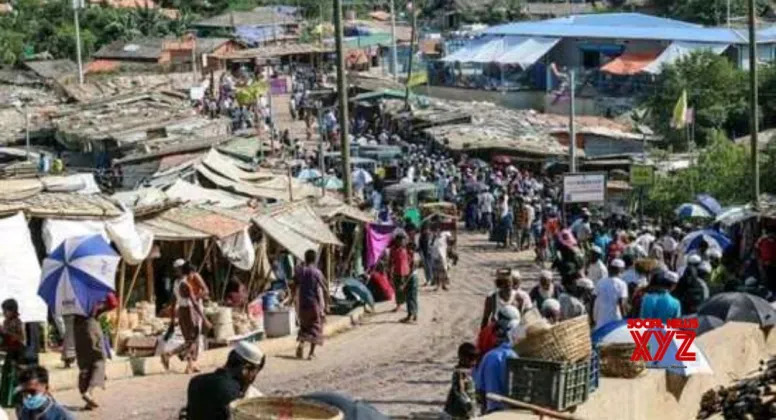
The report, published by The Independent, highlights that approximately 1.2 million Rohingya refugees living in densely populated camps currently receive $12 per person per month in food aid—an amount long criticized by refugees as insufficient to meet basic nutritional needs.
Most Rohingya fled Myanmar following the military crackdown in 2017 and remain largely barred from formal employment in Bangladesh, leaving them heavily dependent on humanitarian assistance for survival.
Under a newly introduced tiered assistance system by the UN World Food Programme (WFP), food aid allocations are now based on household vulnerability. As a result, around 17 percent of beneficiaries will see their monthly support reduced to as little as $7 per person. Meanwhile, approximately one-third of the population classified as “extremely food insecure”—including child-headed households—will continue to receive the full $12.
Refugees have expressed growing alarm over the cuts. “It is very difficult to understand how we will survive now with only $7. Our children will suffer the most,” said Mohammed Rahim, a camp resident and father of three, as quoted in the report.
Rahim added that his family had already been struggling to secure enough food prior to the reduction. “I am deeply concerned that people may face severe hunger and some may even die due to lack of food,” he said.
The report also underscores how broader international funding cuts in 2025 have compounded the crisis. Reduced aid has led to the closure of educational facilities, contributing to rising risks of child labour, early marriage, and abduction within the camps.
Humanitarian funding for the Rohingya response reportedly fell to around 50 percent of required levels in 2025 and has dropped further to just 19 percent this year, intensifying pressure on aid agencies and camp residents alike.
In response to the new rationing system, dozens of Rohingya refugees staged protests earlier this week, demanding the restoration of full food assistance. Demonstrators carried placards warning of starvation and asserting that “Food is a right, not a choice.”
Rahim, whose monthly aid has been reduced to $7, also highlighted growing protection concerns. He said worsening insecurity—including risks of kidnapping, violence, and trafficking—prevents refugees, particularly children, from seeking alternative means of income outside the camps.
“Ration cuts are pushing people toward life-threatening risks, leaving them with no safe choices,” he said. “I am very worried about the future of our children.”