
A new analysis by the United Nations Development Programme (UNDP) highlighted the fragile educational situation facing Myanmar’s youth aged 15 to 35, who comprise over one-third of the country’s population.
The report, ‘A Generation on Hold’ released by UNDP on October 2, draws on data from the 2024 Myanmar Youth Outlook, as well as interviews and group discussions.
Three in four youth aged 18 to 24 — over 5 million — are no longer in education or training. This figure increased to four in five in rural areas, particularly in Tanintharyi Region, Chin State, Sagaing Region, and Karen State, according to the UNDP.
Millions of young women and men are seeing their aspirations and their potential collapse under the weight of disrupted education, disappearance of good jobs and heightened insecurity on top of entrenched gender and social barriers, the report stated.
Nearly one in four young women leave school due to household responsibilities, compared to just 5% of men, according to the UNDP. One in four youth, nearly 4 million, are not employed, with rates exceeding 50% in Kayah (Karenni) and 40% in Arakan (Rakhine) states, the report added.
Amid political instability, economic contraction, and social disruption, pathways for education and earning have been severely eroded, prompting Myanmar’s youth to consider migrating abroad rather than continuing their studies, UNDP noted.
U Banyar, director of the Karenni Human Rights Group (KnHRG), said that the political and military developments following the coup have resulted in the loss of educational and employment opportunities in Karenni State.
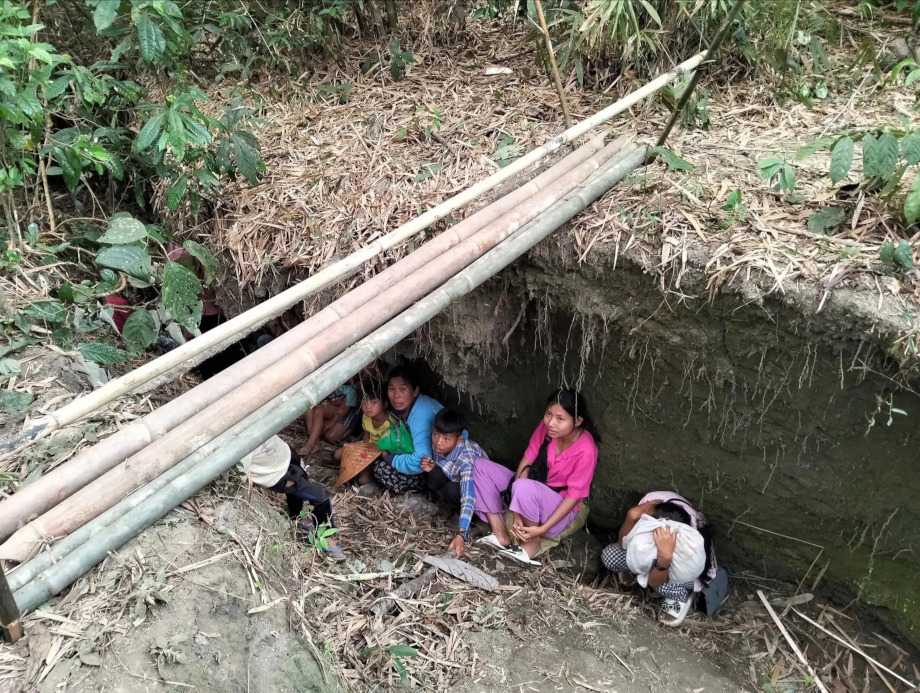
“Because of the coup, war broke out in our region, and politics became very complicated. Job opportunities disappeared, and many people had to leave the cities and move to rural areas because of the fighting. As a result, young people lost a lot of educational and employment opportunities. It was a very serious decline. All of this happened because of the war and the political situation,” he told Than Lwin Times.
The junta staged the coup in early 2021, citing unfounded claims of vote rigging in the 2020 election, triggering a devastating collapse of the nation.
Despite these challenges, the report highlights the resilience and ambitions of Myanmar’s youth, with nearly half identifying technical education and vocational training as a top priority, and many already engaged in small-scale entrepreneurial activities, mostly out of necessity, UNDP acknowledged.
“Based on this data, UNDP calls for immediate, locally-driven actions to expand flexible learning and vocational training, especially for rural, displaced, and caregiving youth. Aligning these skills with jobs in agriculture, digital, and green sectors. While challenging, it is important to address specific barriers to young women’s employment, from easing caregiving burdens and restrictive norms, to providing incentives for young women to remain in education and in the workforce. Supporting youth-led entrepreneurship and small businesses, particularly in fragile and conflict-affected areas is a lifeline”, UNDP said.