
At least 161 civilians have been killed in Myanmar’s Tamu District, located along the India-Myanmar border in Sagaing Region, since the military seized power in 2021, according to a new report released by the Kuki Women’s Human Rights Organization (KWHRO) on 12 September.
The report, which covers incidents from May to August 2025, highlights the ongoing violence, displacement, and human rights abuses in the conflict-torn district. KWHRO has been issuing quarterly updates since 2024, documenting the conditions faced by civilians, particularly women, in the region.
According to the report, the deaths were caused by a combination of airstrikes, heavy artillery fire, drone bombings, and violence by both the Myanmar military and India’s Assam Rifles along the border.
“Torture by armed groups, heavy artillery shells, bombs, landmines, and killings by the Indian military's Assam Rifles caused civilian deaths,” the KWHRO statement said.
Over the past four years, the junta has launched numerous airstrikes using jet fighters and helicopters, and carried out 236 heavy artillery attacks, often targeting residential areas and revolutionary camps.
The report also notes that 136 civilians have been injured due to landmines, bombs, shootings, and beatings by junta-backed Pyu Saw Htee militias.
Additionally, 176 locals were reportedly arrested, while at least 580 homes in 20 villages were documented as destroyed by arson or bombing. However, the organization estimates that over 1,000 buildings have actually been lost on the ground.
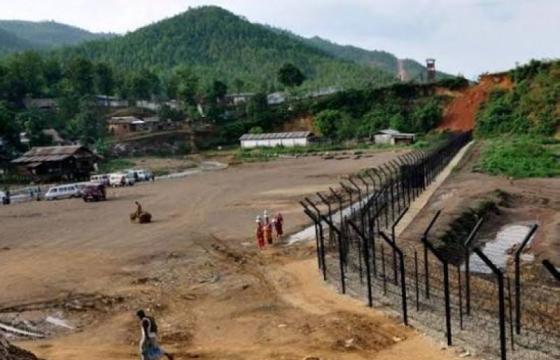
Tamu Township, located next to India’s Manipur State, has been a hotspot for clashes since the February 2021 military coup. While the junta controls only the town centre and a handful of villages, revolutionary forces are in control of most of the surrounding areas, including Myothit and Khampat towns.
The report states that 23,800 people have been displaced due to ongoing clashes, artillery attacks, and airstrikes, with many fleeing across the border into India.
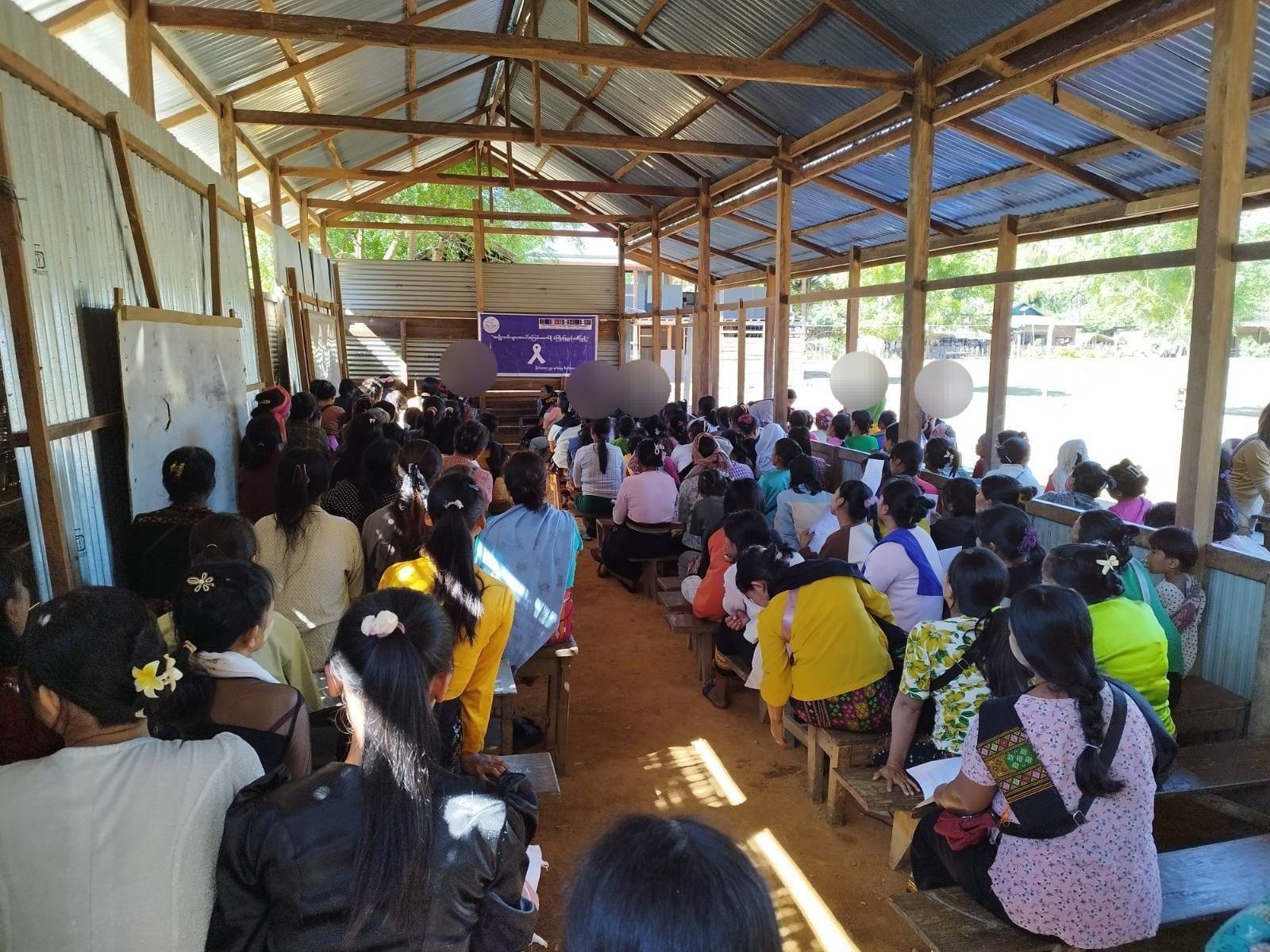
KWHRO’s report also compiles broader data on the region’s humanitarian situation, including issues related to livelihoods, health, education, women’s rights, drug use, and local elections. The organization encourages anyone with unreported information to submit it for documentation.
Founded in January 2000 by Kuki women along the India-Myanmar border, KWHRO advocates for justice, ethnic equality, and the end of military rule. It is a member of the Women’s League of Burma.