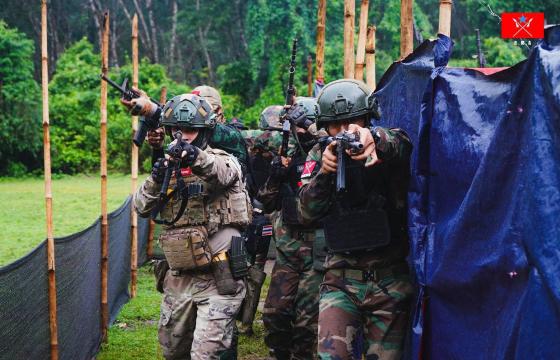

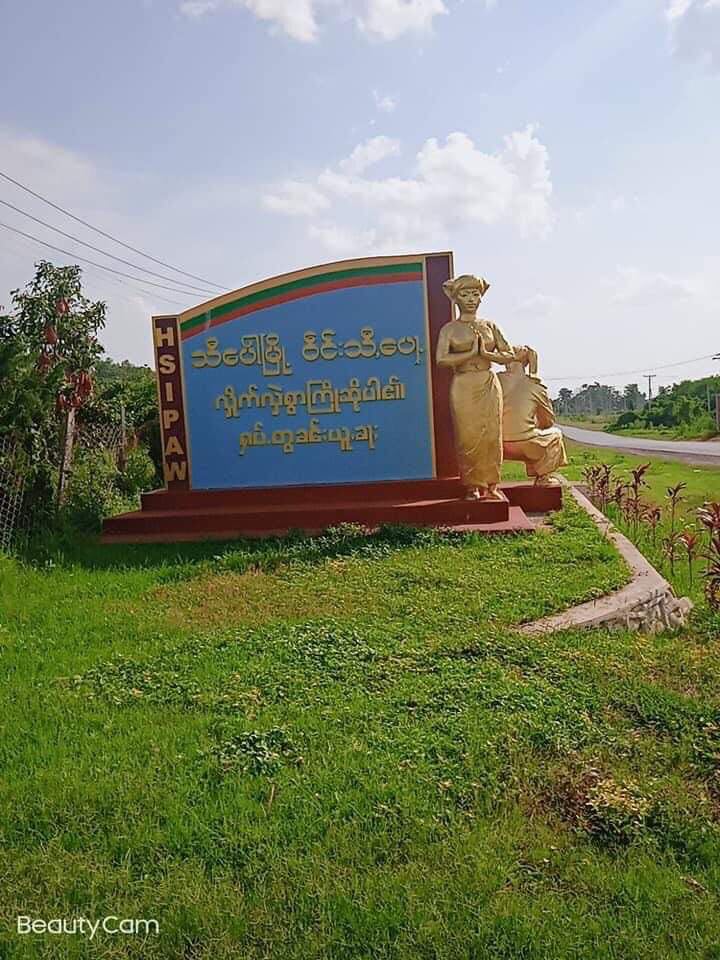
The Ta’ang National Liberation Army (TNLA) has ordered a headman to collect money from the residents of a village in Hsipaw Township in northern Shan State.
On 20 June, the TNLA arrived in Nyaung Koe Pin and told the village headman to collect taxes for the armed group, according to a local from the township, who wished to remain anonymous for fear of reprisals.
“They’re very nasty to force villagers to pay taxes. They will arrest the village headman if he refuses, and at the same time they also collect money from businessmen. In Hsipaw we’ve to be afraid of thieves and robbers—and the TNLA soldiers!”
SHAN hasn’t been able to reach the head of Nyaung Koe Pin for comment.
“There’s no one to protect us and that’s why we’re afraid to talk about it,” says a woman who wishes to remain anonymous.
Attempts to reach TNLA spokesperson Col Mai Aik Kyaw for two days also went unanswered.
According to the residents, who’re majority Shan, this is the first time they’ve had to pay taxes to the Ta’ang group.
The Kachin Independence Organisation/Army (KIO/KIA) has also raised taxes for villagers struggling to survive in areas controlled by the armed group in northern Shan State.
“The KIO/KIA Central Committee has decided to continue collecting taxes in northern Shan State even though we understand that people are facing economic hardship after the military coup,” the group’s spokesperson, Col Naw Bu, told SHAN. He explained that the armed group has introduced various tax schemes for businesses and individuals.