Fuel traders in Arakan (Rakhine) State are facing mounting difficulties as new regulations imposed by the resistance-led National Unity Government (NUG) slow down the transport and distribution of fuel.
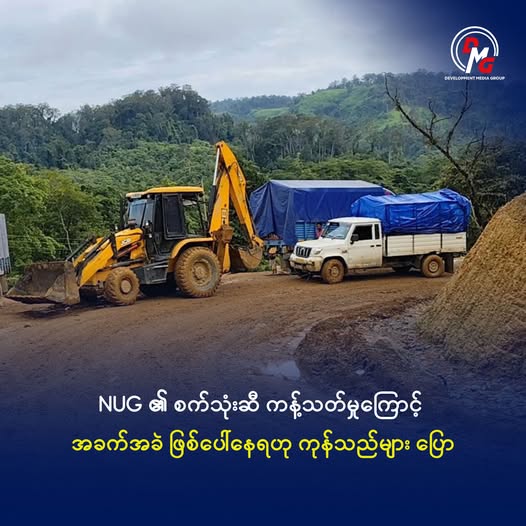
Under the latest directive, all fuel shipments to Kachin, Chin, and Arakan states passing through NUG-controlled areas must now be accompanied by official transit permits issued by the Ministry of Home Affairs and Immigration. Traders said the multi-step process for obtaining these permits is creating logistical bottlenecks and delaying deliveries.
“Fuel prices are going up every day, and buyers and fuel traders are standing in long lines at ward offices to get the necessary documents. Even after you finish the ward-level procedures, you still have to get similar approvals from People’s Defence Force offices. Only then can you actually buy the fuel,” said a fuel trader from Arakan State.
According to Arakan trade sources, by March 9, a barrel of Octane 92 had surged to between 1.5 and 1.6 million MMK, while premium diesel was trading at 1.7 to 1.8 million MMK per barrel.
The NUG defended the restrictions, saying they are intended to manage local fuel supplies amid a sharp decline in global oil imports caused by the conflict in the Middle East.
“Delivering goods to Arakan State now requires clearances from both ward offices and higher NUG offices. Retailers face huge challenges because of these requirements. We trade for profit, but with these measures, we have to raise our selling prices. That makes commodity prices skyrocket and brings a lot of hardship for everyone,” another trader explained.
Traders are urging the NUG to relax the rules, noting that transporting fuel from mainland regions to Arakan State is already complicated by logistical and security challenges.
Meanwhile, the Institute for Strategy and Policy – Myanmar (ISP-Myanmar) warned that the ongoing fuel crisis, stemming from the conflict in Iran, could severely disrupt Myanmar’s import and distribution networks, potentially causing nationwide shortages.