
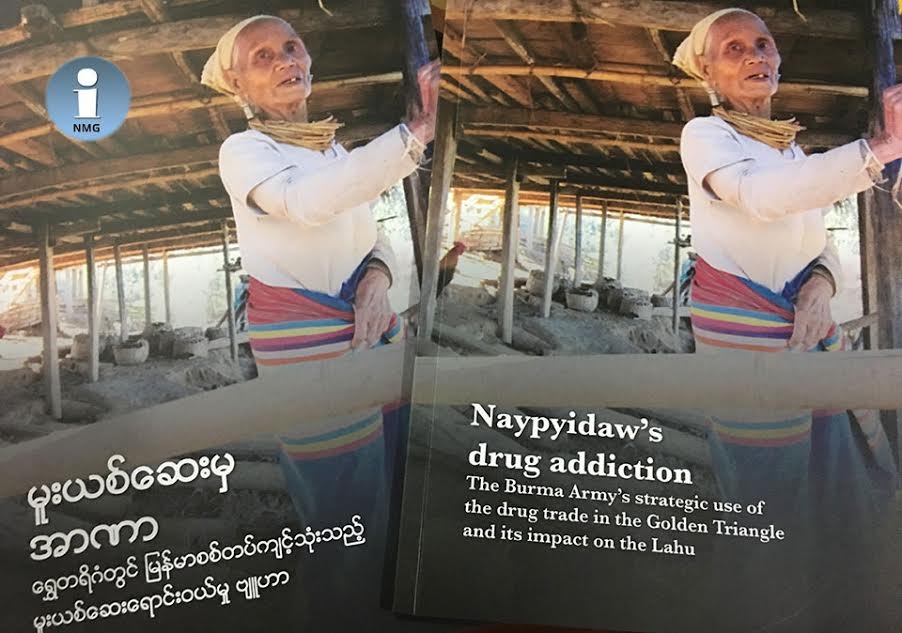
A report by the Chiang Mai-based Lahu National Development Organisation (LNDO) details how the Burma Army and government militia troop numbers are increasing in Eastern Shan State and how they profit from drug production.
The report, entitled ‘Naypyidaw’s Drug Addiction’ exposes the Burma Army’s strategic exploitation of the drug trade in the Golden triangle area.
It was released by the LNDO at a press conference held on the Thai Burma border on 27 October.
The LNDO director Japhet Jagui told reporters at the report’s launch that the Burma Army’s military offensives in Shan State are related to making profits from the drug trade.
He said: “All officials who have transferred to the Golden Triangle have become rich. This [drug trade] made them rich. [The money] is not directly given to [the military officials]. Their subordinates, mostly the sergeants, get them from visiting the drug producers.”
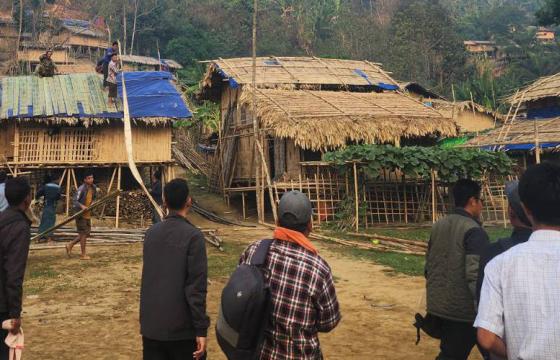
The LNDO gathered its information for the report by conducting surveys from April to June 2016 in 33 villages in the eastern Shan State townships of Mong Hsat, Kengtung, Mong Phyak and Tachileik.
The report details how the Burma Army and government militias make money from the drug trade by taxing opium harvests, controlling opium sales, selling confiscated drugs, investing in refineries and providing protection for those transporting drugs.
Japhet Jagui said: “The drug trade has existed for more than 50 years. Aid for drug [eradiation] only goes to the Burma Army. The actual people that are doing opium farming rarely receive the aid. The aid only increases the weapons and power [of the Burma Army] and the actual opium farmers face more poverty and hardship.”
Network Media Group was unable to contact officials from the Burma Army’s Directorate of Public Relations and Psychological Warfare to ask them about their opinions on the LNDO report.
The Lahu National Development Organisation (LNDO) was founded in Chiang Mai, Thailand in 1997 to promote the welfare and well being of the Lahu people, it also promotes alternatives to growing opium.
Translated by Thida Linn
Edited in English by Mark Inkey for BNI