
Myanmar's peace process will only become successful when effective implementation is carried out by the Joint Monitoring Committee (JMC), the Mon National Liberation Army (MNLA)’s chief of staff Maj-Gen Layi Gakao, who is joining the JMC-U delegation's observation trip to Nepal, said.
“As everyone knows about Myanmar’s ongoing peace process, the 21st Century Panglong can’t move forward. Obstacles have existed for a long time now. The JMC had weaknesses in implementing its tasks because the sound of gunfire hasn’t stopped in the NCA signatories’ areas. There are still clashes with the government army (Tatmadaw) in the Shan and Karen [states],” Maj-Gen Layi Gakao, who is also head of the New Mon State Party (NMSP)’s military affairs and member of the Union-level Joint Monitoring Committee (JMC-U), said to the Mon News Agency.
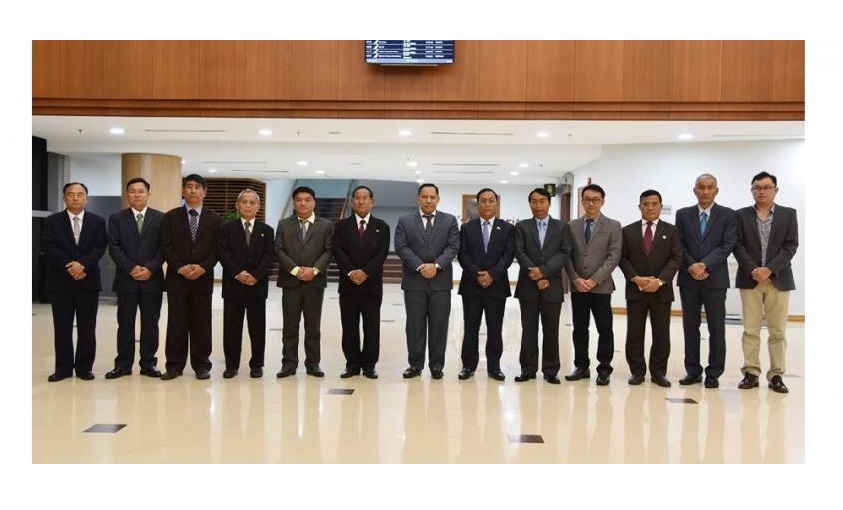
The 15-member delegation of the JMC-U, led by chair Lt-Gen Yar Pyae, arrived in Nepal on October 1 to observe the country's peace process for seven days under the arrangement of the Norwegian embassy.
“Nepal’s peace process is different from our country but there are many things to emulate [from Nepal]. However, we can’t copy someone else’s peace process and build it here. The government including the Tatmadaw and we, the ethnic armed organizations, need to build it with our own abilities and our own model in order for peace to succeed in our country,” said Maj-Gen Layi Gakao.
He continued that he learned about how the Nepalese government and the rebel forces have engaged in disarmament, demobilization, and reintegration (DDR) in Nepal and only the security sector reform (SSR) is found in the peace processes across the world and lack of time restriction is a weakness in the existing nationwide ceasefire agreement.
The JMC delegation met with the Nepalese Vice President, Minister of Foreign Affairs, government officials and individuals who were involved in Nepali’s peace process yesterday (October 2) and explained their experiences.
According to the Joint Ceasefire Monitoring Committee’s Facebook page, the JMC-U observation delegation consists of 15 members, including chair Lt-Gen Yar Pyae, vice-chair Sai Myo Thant, the Union Minister of Border Affairs Lt-Gen Ye Aung and Rev. Saw Matthew Aye.
A total of 18 people including JMC-U delegation and technical support staff went on a similar peace observation trip to Norway from August 24 to 30, according to the JMC.