
Since August, intensified military offensives by junta troops in Pruso Township have once again forced thousands of civilians to flee their homes. The junta has been carrying out operations in the area, deploying both heavy artillery and drones to target civilian-populated zones, resulting in widespread displacement.
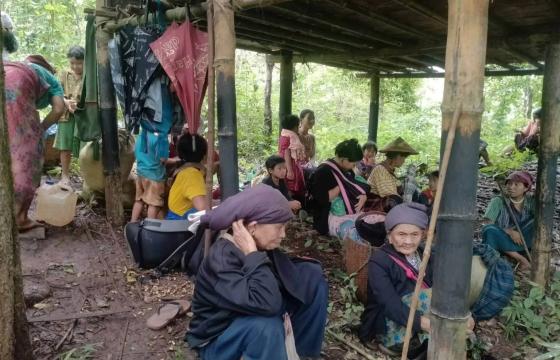
Among those affected is the “Htaye Lyar Moe” IDP camp, which currently shelters more than 400 people from 95 households.
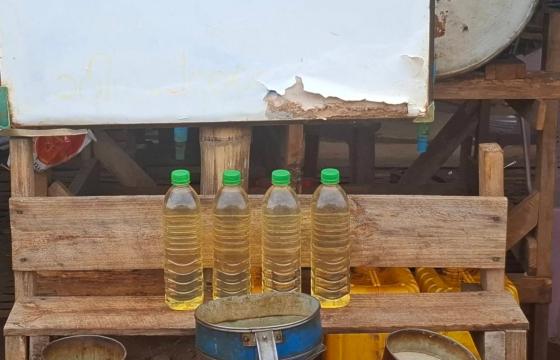
Although they have been displaced for over two months, most fled hastily and were unable to bring food or essential belongings. Due to continuing insecurity, many have been unable to return to retrieve their possessions. As a result, more than half of the displaced population is now facing severe shortages of food and shelter.
“Our biggest challenge right now is the lack of ration support,” said Daw Joe Nar, a member of the camp’s organizing committee. “We had to leave everything behind when we fled our village, and it’s impossible for us to return to collect our food supplies or belongings. Those who escaped without essential provisions are now struggling to survive — especially because of the shortage of rice.”
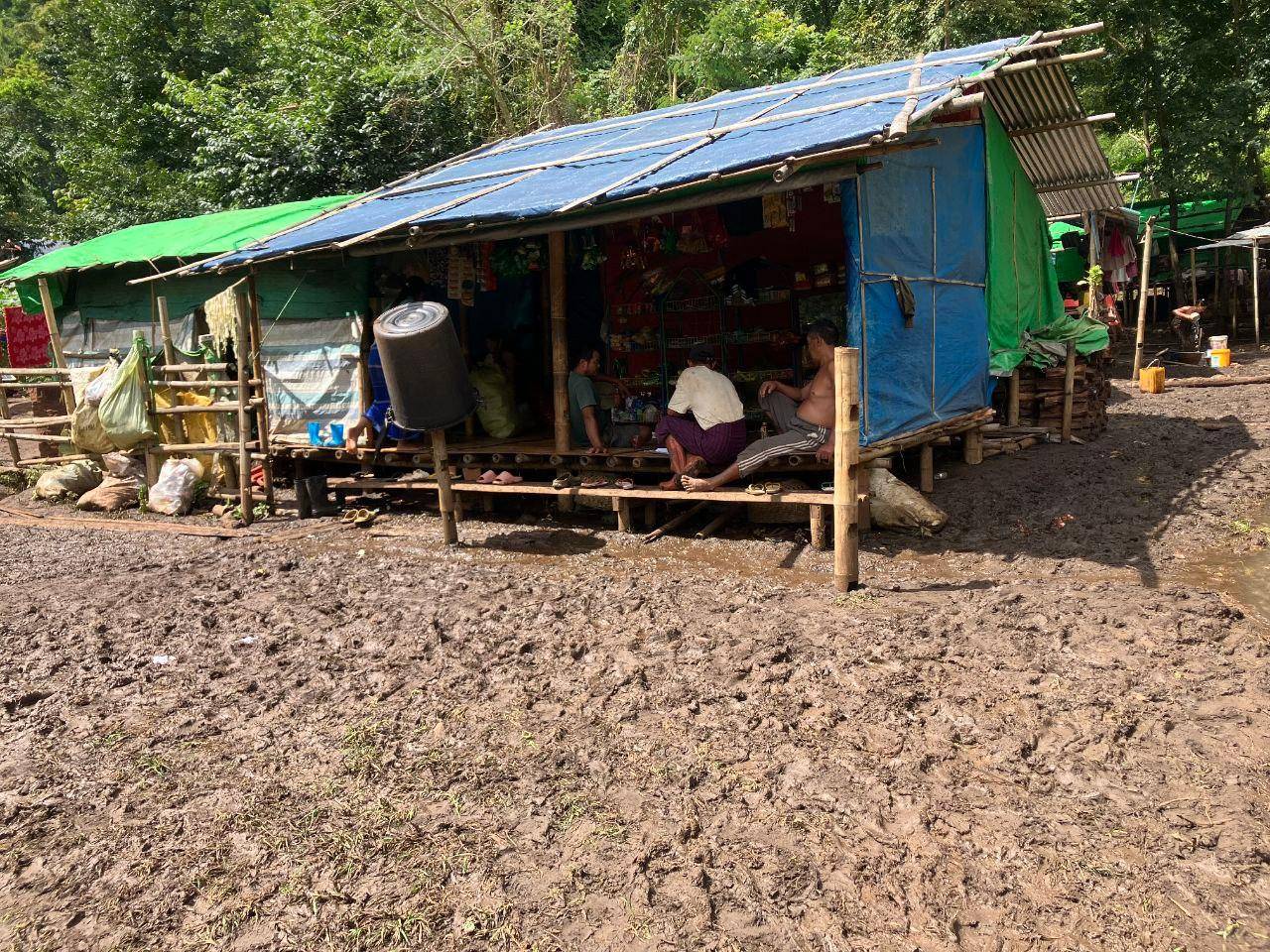
Due to repeated displacement, the camp committee added that seven displaced families have not yet been able to construct shelters because of ongoing hardship, leaving them in urgent need of roofing materials and other support.
In an effort to ensure children’s access to education, classes are being conducted inside temporary huts at the camp. However, due to a lack of proper learning facilities, teachers say conditions are extremely difficult.
“Since we don’t have a school building, we’re conducting classes inside people’s shelters,” said one female teacher. “There are no desks or chairs, so the children have to write however they can. It’s very inconvenient for the teachers as well. We’re worried that the children will fall behind in their education, so we’re doing our best to continue teaching under these temporary conditions.”
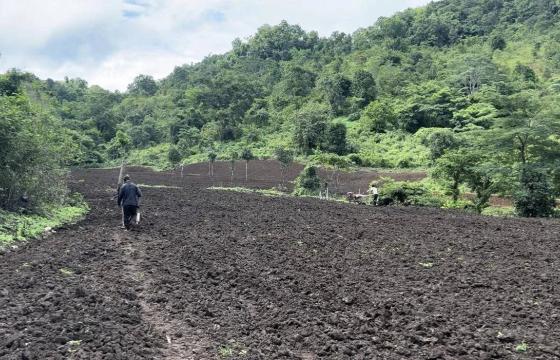
While some displaced families had planned to harvest their rice and crops this month, they have been unable to do so because of ongoing security risks. As a result, food shortages have worsened.
Displaced civilians also reported that the newly relocated camp is situated deep in the forest, where heavy rains and flooding during the raining season have made living conditions even more difficult.