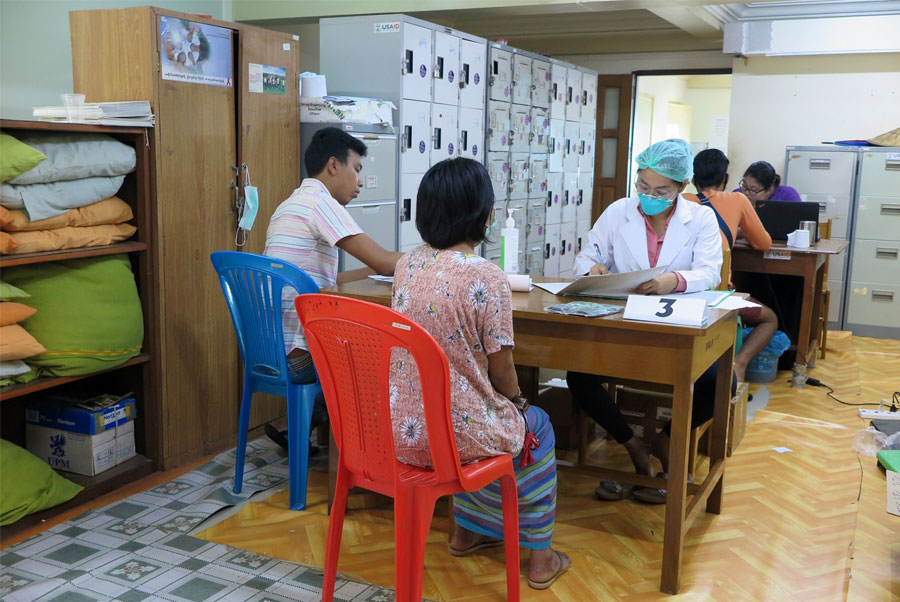
There is an acute shortage of Anti-retroviral therapy (ART) drugs used to treat the human immunodeficiency virus (HIV) in Rakhine State because normal trade routes have been blocked.
Previously, ART drugs could be purchased from health departments or pharmacies, but now there is an acute shortage of these drugs as roads into Rakhine State have been blocked by the junta.
The shortage has created severe challenges for patients.
A woman from Pauktaw Township said: “I haven’t had ART drugs for nearly three months. I even went to Kyauktaw Town by boat to find some, but I couldn't find any. I’m afraid of dying if this shortage continues. Therefore, I need to get these drugs from anywhere possible. I don’t know who to contact or where to find them.”
Taking ART drugs daily and on time can prevent transmission of the HIV virus and reduce the viral load in the blood. If patients stop taking the drug it can lead to weakened immune function, memory loss, mental health issues, frequent fevers, skin rashes, diarrhea, and neurological problems. Eventually, without ART drugs, the HIV infection will become full blown AIDS (Acquired immunodeficiency syndrome) which if left untreated leads to death.
A doctor from Rakhine State explained that ART drugs are “taken to prevent the viral load from increasing, to stop it from spreading, and to protect the existing immune system from being destroyed by the virus. Although ART does not cure HIV, it needs to be taken for life. Missing doses can be dangerous.”
A resident of Mrauk-U Township in Rakhine State said: “There is someone in the village who was infected. Even when he could regularly buy his medication, he didn’t take it consistently, which caused mental health issues. Now the drugs are in short supply, we don’t know what will happen next.”
According to health department records from 2021, there are over 2,800 individuals in Rakhine State who are infected with HIV and taking ART drugs. Of those, approximately 300 are pregnant women. ART greatly reduces the risk of pregnant women passing HIV on to their children, without ART it is far more likely that babies born to HIV infected women will contract the virus.
ART is a combination of medications used to treat HIV. It works by stopping HIV from reproducing and can reduce levels of HIV in the blood, often to undetectable levels. There is no cure for HIV but ART means that sufferers can still enjoy long and productive lives after becoming infected with HIV.