
The Department of Women and Children under the Karenni Interim Executive Council (IEC) has reported a total of 102 cases of gender-based violence (GBV) handled over the past two years, according to the department’s two-year progress report. The report highlights that sexual violence remains the most prevalent form of abuse among the documented cases.
According to the IEC’s Department of Women and Children, the reported cases include 35 incidents of sexual violence, 31 of physical violence, 21 of psychological abuse, 17 of socio-economic violence, and 8 cases related to harmful traditional practices, totaling 102 cases. Among these, there were also six cases of sexual violence and two cases of physical abuse involving children under the age of 18.
“Many perpetrators take advantage of the absence of a functioning rule of law. Both adults and minors are increasingly being targeted by men who exploit this situation for sexual purposes. Some cases involve non-consensual sexual exploitation,” said Maw Theh Mar, Deputy Head of the IEC’s Department of Women and Children, speaking to Kantarawaddy Times.
She added that the reported figures represent only the cases officially submitted to the department, noting that the actual number of incidents occurring on the ground is likely to be higher.
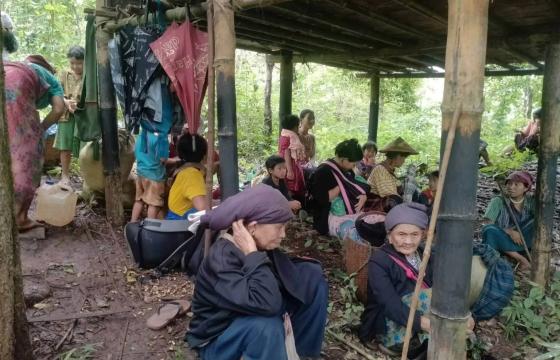
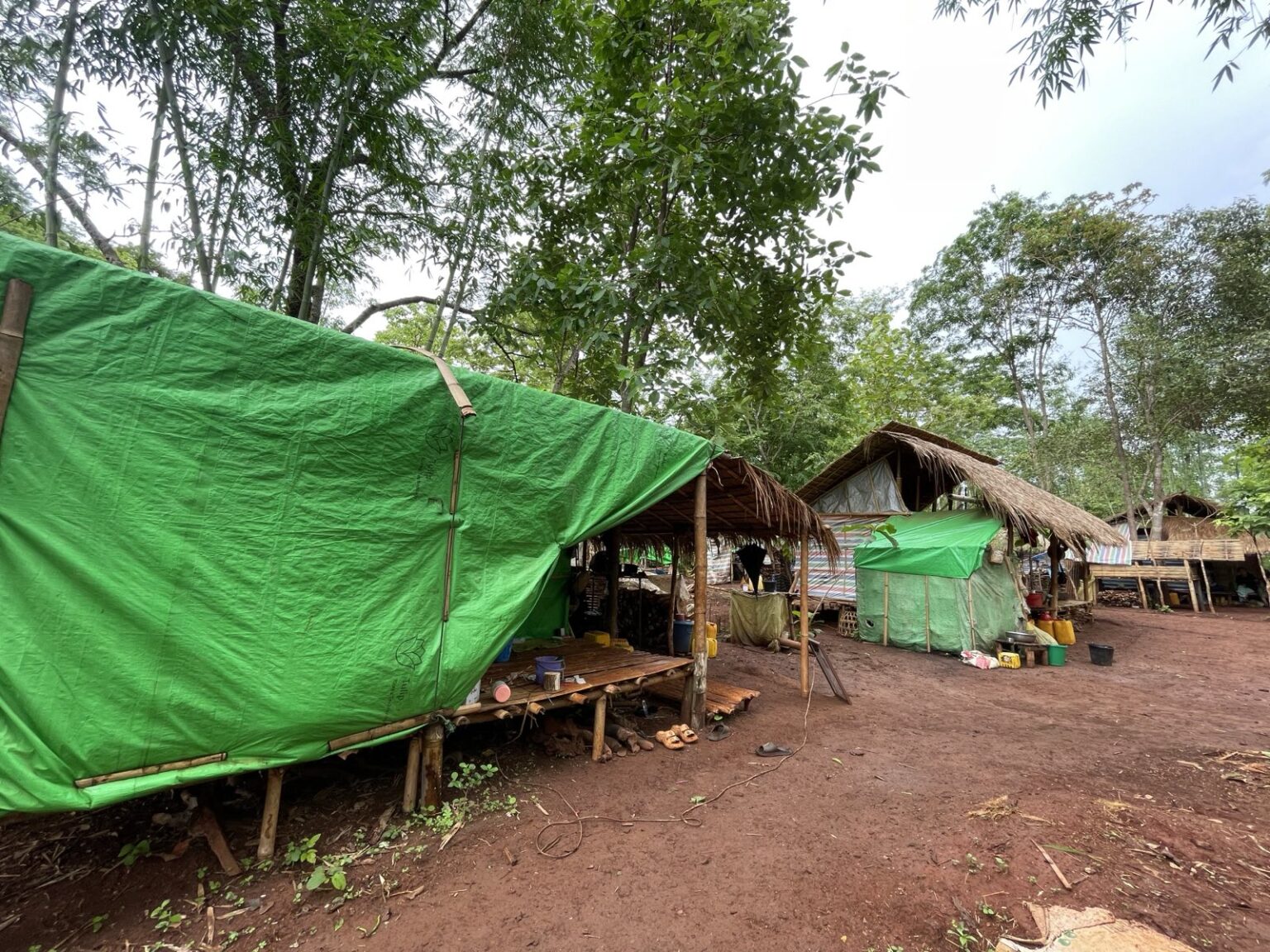
Maw Theh Mar explained that worsening living conditions, including shortages of food and basic necessities, have contributed to a rise in domestic and family violence, particularly incidents of physical abuse between spouses and against children.
Although the department continues to process reported cases in accordance with official procedures, many are reportedly resolved through local-level settlements mediated by village, township, or displacement camp committees, rather than being pursued through formal legal channels.Cases that have reached the judicial level mostly involve rape and adultery, according to the report. The department also noted that most victims of sexual violence are teenage girls.
Maw Theh Mar emphasized that reducing gender-based violence requires strengthening the rule of law and regularly implementing awareness and educational programs within communities.
“We want people to have a clear understanding of gender-related issues. It is important for everyone to know that laws exist to protect women and children, and that they have the right to report abuses and seek justice” she said.
The report further noted that addressing gender-based violence cases amid ongoing conflict and displacement remains a major challenge for women workers and frontline responders operating in the state.
According to the department, 87 percent of the cases have been resolved, while 12 percent remain under process, and one case was withdrawn by the complainant.