
Diplomatic overtures coincide with shifting power dynamics in northern Rakhine
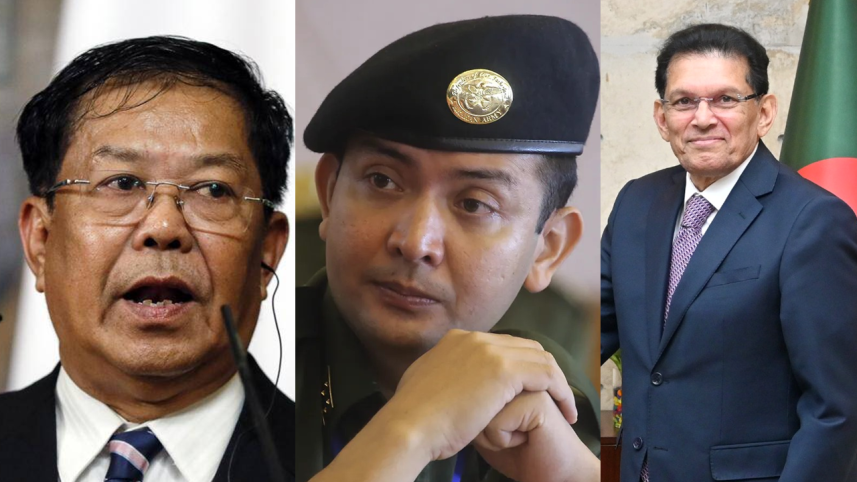
Bangladesh’s positive response to separate congratulatory messages from Myanmar’s Foreign Minister Than Swe and Arakan Army leader Twan Mrat Naing underscores a subtle but significant recalibration in Dhaka’s Rakhine strategy.
The outreach comes at a time when control over large parts of northern Rakhine State has shifted away from Myanmar’s central military authorities toward the Arakan Army, reshaping the geopolitical and security landscape along the Bangladesh–Myanmar border.
Evolving Power Structures in Northern Rakhine
Since intensified conflict in 2023–2025, the Arakan Army has consolidated territorial control across substantial areas of Rakhine State, including zones opposite Bangladesh’s Cox’s Bazar and Bandarban districts. This reality has compelled Dhaka to maintain working-level engagement with both Naypyidaw and the Arakan Army to prevent border destabilization.
Bangladesh’s strategic calculus appears grounded in three key considerations:
Border Security Stability – With the Arakan Army administering territories along the frontier, coordination is necessary to prevent cross-border violence, trafficking, and armed infiltration.
Repatriation Viability – Any meaningful repatriation framework would require cooperation from whichever authority exercises de facto governance in northern Rakhine.
Humanitarian Risk Management – Escalating instability could trigger new displacement flows into Bangladesh.
Recruitment Patterns and Civilian Vulnerability
The diplomatic gestures also occur amid persistent allegations of forced recruitment practices affecting Rohingya communities in northern Rakhine. Multiple rights groups and local sources have reported instances in which armed actors — including both state-aligned forces and non-state groups — have sought to mobilize local populations amid escalating hostilities.
Observers note that recruitment pressure often intensifies during periods of territorial consolidation, when armed groups seek to expand auxiliary forces, intelligence networks, or logistical capacity. Such dynamics have contributed to heightened insecurity among Rohingya civilians, many of whom remain internally displaced or confined to restricted areas.
While the Arakan Army has publicly signaled willingness to engage in dialogue with Bangladesh, questions remain regarding governance structures, civilian protection guarantees, and the legal framework under which any future repatriation process would operate.
Strategic Significance for Bangladesh
For Dhaka, the dual outreach presents both opportunity and risk:
It may provide a channel to press for security guarantees for returnees.
It could open dialogue on safe humanitarian access in contested areas.
However, premature political recognition or miscalibrated engagement could complicate relations with Myanmar’s central authorities and regional stakeholders.
Bangladesh continues to emphasize that any repatriation must meet international standards of voluntariness, safety, dignity, and sustainability.
With more than 1.4 million Rohingya currently residing in Bangladesh, the humanitarian and fiscal burden remains immense. International donor fatigue and declining aid flows further increase pressure on Dhaka to explore pragmatic diplomatic openings.
Whether the latest exchange marks a symbolic courtesy or the beginning of substantive engagement will depend on concrete follow-up mechanisms, including security assurances, rights guarantees, and credible monitoring frameworks inside Rakhine State.