
Expansion of housing projects on land abandoned after 2017 military crackdown raises concerns over property rights and future repatriation
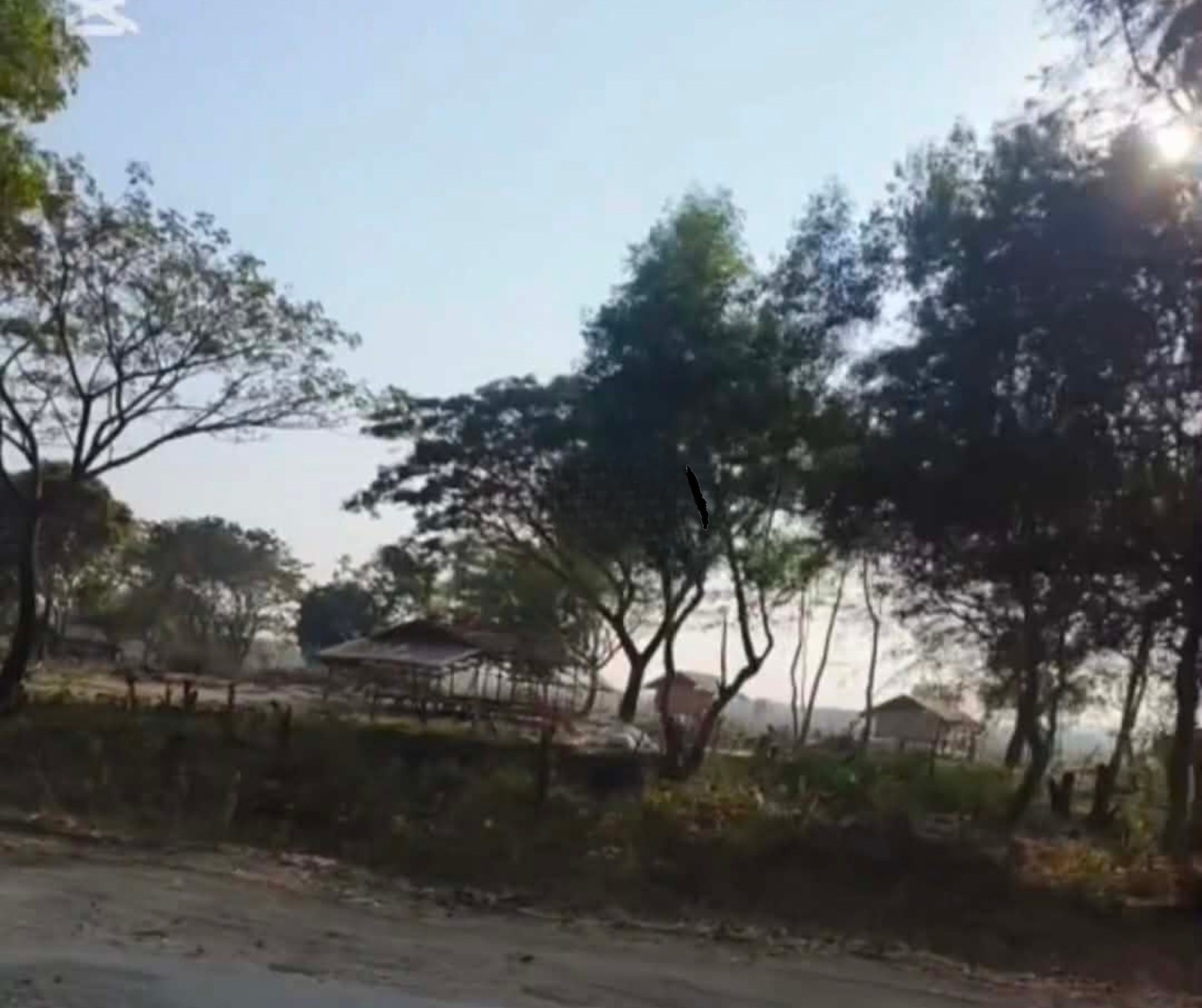
The Arakan Army (AA)/United League of Arakan (ULA) has been accused of constructing new Rakhine settlements on land historically owned by displaced Rohingya residents of Maungnama village in Maungdaw Township, northern Rakhine State, according to local sources speaking to KPN.
Rohingya residents of Maungnama were forced to flee to Bangladesh in 2017 during military operations carried out by the Tatmadaw, which resulted in the mass displacement of hundreds of thousands of Rohingya from northern Rakhine State. Entire villages were emptied, leaving behind homes, agricultural fields, mosques, religious schools, and other community infrastructure.
For several years following the 2017 crackdown, the abandoned villages remained under the control of the military authorities. As territorial control shifted amid ongoing conflict, areas including Maungnama later came under AA/ULA administration.
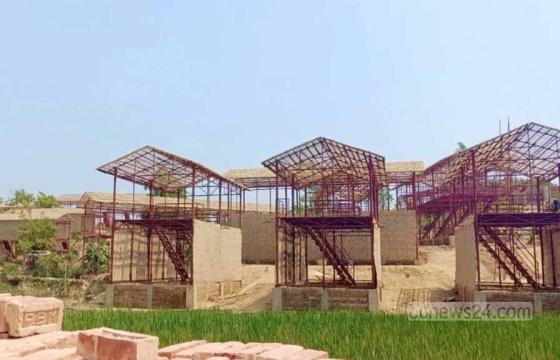
Local sources report that throughout 2024, settlement construction has expanded across farmland and residential plots that were previously owned by Rohingya families. New housing structures are reportedly being built for Rakhine families on land described by residents as ancestrally belonging to displaced Rohingya communities.
“Evidence of long-standing Rohingya presence is being systematically cleared,” one local source told KPN, alleging that original village structures and historical markers have been removed. The source further claimed that newly resettled families have been allocated approximately half an acre of farmland per household.
In nearby areas of Buthidaung and Maungdaw townships, displaced Rohingya have yet to be permitted to return to their villages. In Tanpan village, sources allege that an ancient mosque, religious schools, pathways, mature trees, wells, and ponds were bulldozed, effectively erasing physical traces of the community’s historical presence.
Property Rights and Repatriation Concerns
Observers warn that the construction of new settlements on abandoned Rohingya land could complicate any future repatriation process. Land ownership and restitution remain central issues in discussions about the voluntary, safe, and dignified return of displaced Rohingya refugees currently residing in Bangladesh.
The 2017 military operations are the subject of an ongoing genocide case at the International Court of Justice (ICJ), where The Gambia has brought proceedings against Myanmar. Legal analysts note that property confiscation, demographic restructuring, and destruction of civilian infrastructure may carry long-term implications under international law, particularly in relation to restitution and the rights of displaced populations.
Human rights observers argue that the occupation or reallocation of civilian land without due process risks entrenching demographic changes that could undermine prospects for reconciliation and sustainable peace in northern Rakhine State.
Growing Questions Over AA/ULA Governance
The AA/ULA gained significant public support for its armed resistance against Myanmar’s military authorities. However, critics say recent allegations involving property appropriation, administrative opacity, and land redistribution have raised concerns among local communities.
Residents question whether the group is acting as a protective authority for all communities under its control or moving toward a more exclusionary governance model. Analysts suggest that if the AA/ULA seeks to position itself as a legitimate political actor in Rakhine State, it will face increasing scrutiny regarding its handling of civilian property rights and minority protections.
As settlement expansion continues in Maungdaw’s northern areas, displaced Rohingya communities remain in limbo, uncertain whether their land, homes, and historical heritage will be preserved — or permanently transformed.