
The Malaysia government has begun implementing a new refugee registration system, starting with Rohingya refugees currently held in immigration detention facilities nationwide, the Home Ministry said.
Home Minister Datuk Seri Saifuddin Nasution Ismail said the Refugee Registration Document (DPP) system has been in effect since Jan 1 and is initially focused on vetting and registering Rohingya refugees detained at 16 immigration depots across the country.
The registration exercise also includes children housed at four Baitul Mahabbah care centres operated by the Immigration Department. These centres provide temporary care for children under the age of 10 who were either born in detention facilities or abandoned following the arrest of their parents during immigration raids.
“These groups of refugees will be transferred in phases to a special refugee and asylum seeker processing centre in Bidor, Perak, where interviews will be conducted to determine their status,” Saifuddin said in a written parliamentary reply.
According to the minister, the first group of 26 detainees was transferred to the Bidor facility on Jan 9. To date, the Home Ministry has recorded the personal details of 4,003 detainees held in immigration depots.
Saifuddin said all refugees in the country are now required to register under the DPP system, which is intended to enable the government to better manage the refugee and asylum seeker population.
Under the new framework, an evaluation committee will first assess applicants through interviews and make recommendations. A special committee will then decide whether an individual qualifies for refugee status.
“Holders of the DPP will be allowed to reside temporarily in the country until their final arrangements are determined,” he said, referring to resettlement in a third country or return to their country of origin.
The DPP system is intended to replace the existing refugee registration process administered by the United Nations High Commissioner for Refugees (UNHCR). The government has previously described UNHCR’s registration activities—conducted without direct government involvement—as “unilateral” and a potential security risk.
UNHCR, however, has stressed that registration and documentation are critical first steps in ensuring protection for people forced to flee war, persecution, or violence.
According to the agency, refugee registration helps prevent refoulement, arbitrary arrest, and prolonged detention, while also assisting in keeping families together and reuniting separated children with relatives. Registration data is also essential for planning humanitarian assistance, including shelter, food, healthcare, sanitation, and other targeted support.
UNHCR further noted that government-recognised identity documentation can enhance refugees’ legal identity and socio-economic inclusion, facilitating freedom of movement, access to banking services, SIM card registration, and digital services.
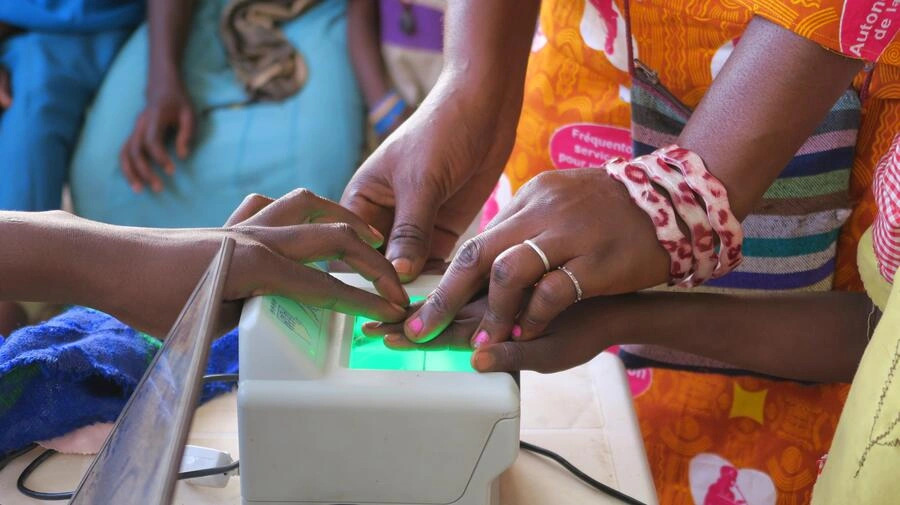
As part of the Global Compact on Refugees, UNHCR said it remains committed to supporting governments in strengthening national registration and documentation systems through technical assistance, digitalisation, biometric tools, and data-sharing mechanisms aligned with privacy and data protection standards.