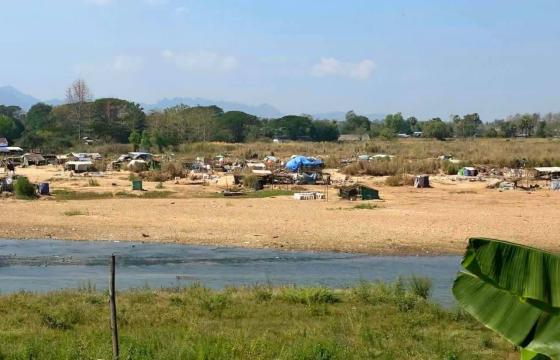

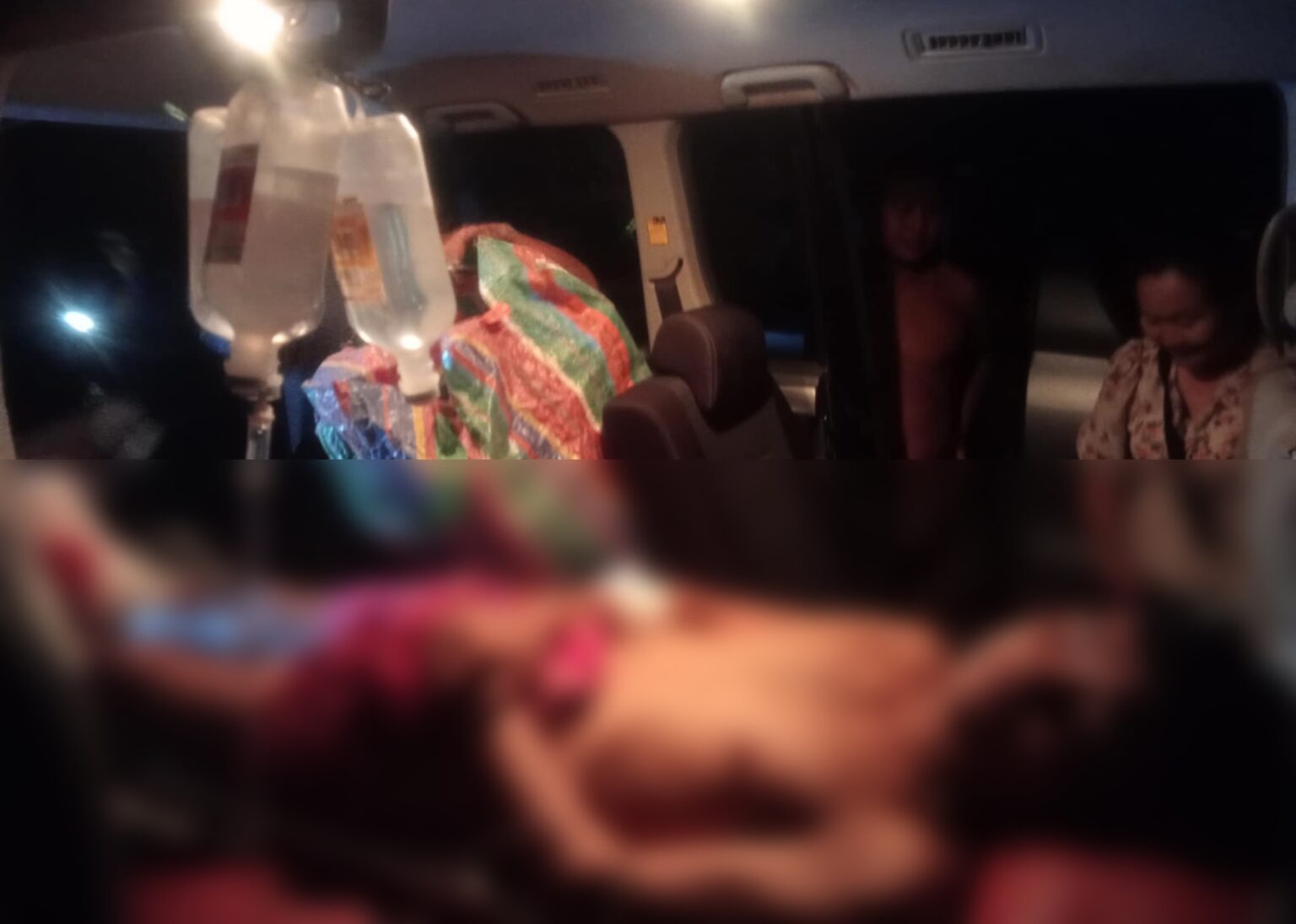
During October and November, at least five locals who had returned after being displaced by conflict were injured in landmine explosions in Htiphosan Village, Yankoke Village Tract, Kawkareik Township, Karen State.
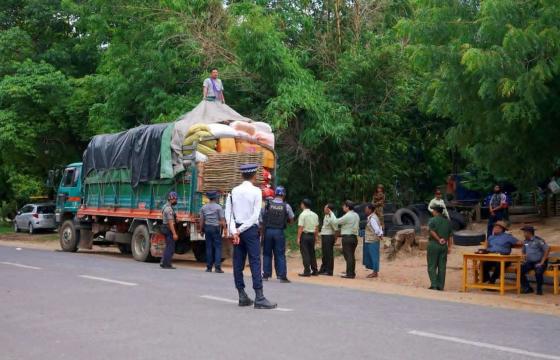
In October, the junta launched an operation to secure the route to the Dawna Mountain Range through the villages of Myapataing, Kyaungsharkone, Lower Bote, and Htiphosan. During the operation, junta troops planted landmines, putting returning villagers at risk of encountering these explosives.
“Four locals have been injured in landmine explosions across Chaungphya, Myapataing, Kawtphanyat, Naungmi, and Htiphosan villages. In Mipharlae Village, near Yankote, on October 15, a displaced villager stepped on a landmine while briefly returning home to check on his house. He lost his leg in the blast. The victim was 33-year-old Saw Farthadi. Altogether, there have been at least five landmine-related injuries in the area over the past few weeks,” a local healthcare worker told KIC.
In Kawkareik Township, residents have suffered not only from landmine injuries but also from the junta’s airstrikes and artillery shelling.
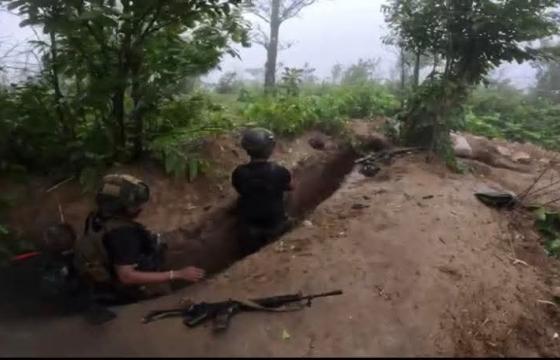
“On November 1, a junta airstrike struck the clinic in Naungkaing Village. Some villagers were hit by shrapnel, and the clinic itself was slightly damaged. But in Htiphosan Village, the destruction was much worse. Homes, schools, monasteries, and churches were all destroyed,” said a source close to the Karen National Liberation Army (KNLA), which has been fighting the junta in the area.
In Kawkareik Township, the junta has mobilized not only its own soldiers but also forces from the Democratic Karen Benevolent Army (DKBA) faction led by Bo Bi and the Karen Border Guard Force (BGF), deploying around 1,000 troops across three columns to carry out operations.
The resistance forces have also urged locals to be especially cautious, warning that the junta has likely planted landmines on roads and intersections leading to villages like Htiphosan, Yankoke, and Myapataing.