
The junta has lifted martial law in Ye Township, Mon State, and introduced a regional order comprising 17 rules.
The junta defended the implementation of the regional order, claiming that although martial law had been lifted, terrorist organizations remain active in Ye Township through various means, making the order necessary. It typically refers to armed resistance groups as terrorist organizations.
During martial law, the curfew lasted from 6:00 pm to 6:00 am, but under the regional order, it has been shortened to 8:00 pm to 4:00 am.
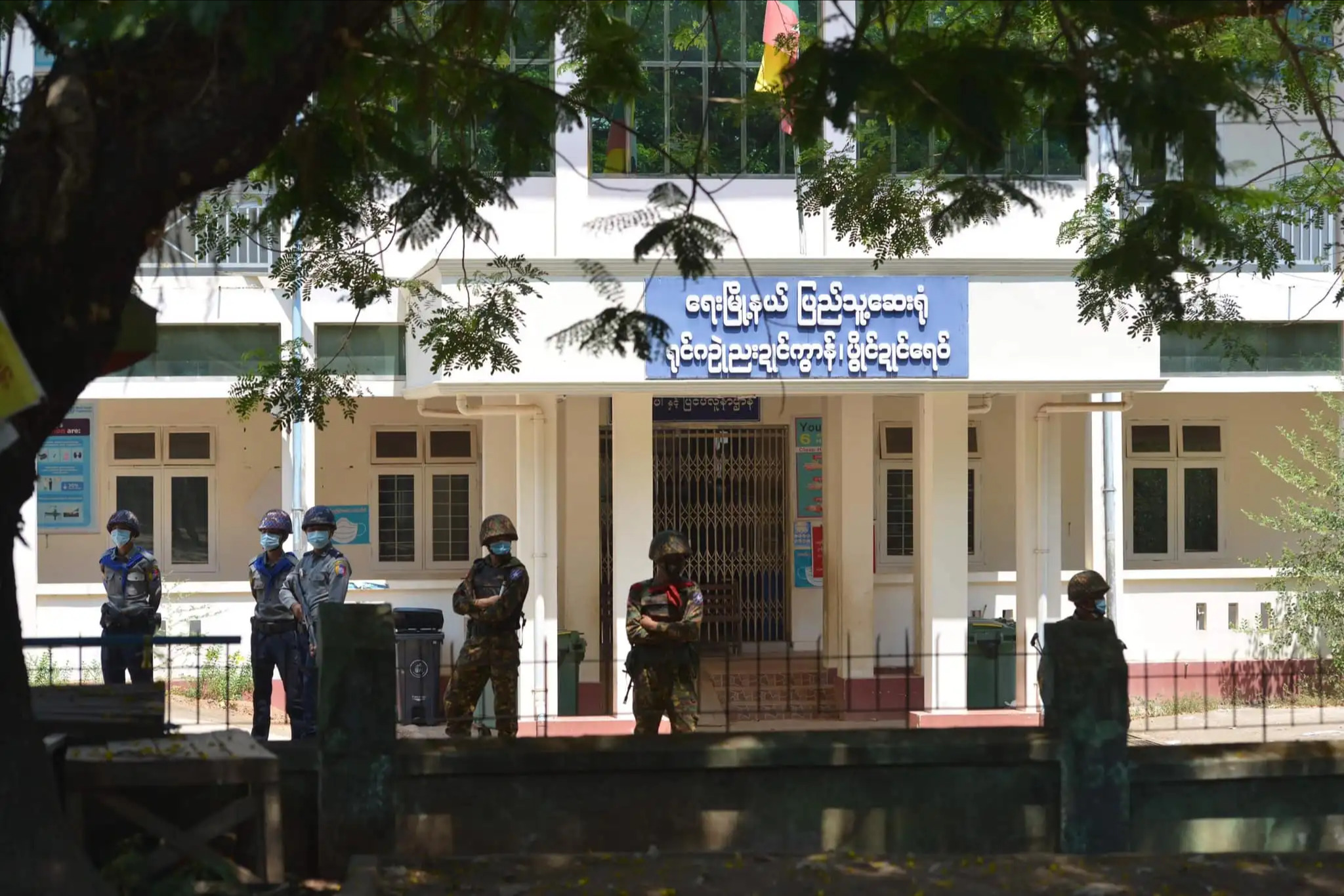
The regional order also imposes ongoing restrictions on freedom of movement for Ye Township residents. For example, when traveling from one village to another, locals must carry a travel permit issued by junta-appointed local officials or present their national identification card (NIC).
A resident of Ye Township remarked that there is little reason to thank the junta for merely lifting martial law, as locals still do not enjoy genuine freedom.
“Now Ye isn’t on the list of townships under martial law anymore. Instead, the junta has put Article 188 in place. But nothing has really changed. People are still losing their personal rights, so there’s no reason to thank the junta,” he told Than Lwin Times.
The junta said martial law was downgraded to a regional order because aggression in Ye Township had decreased. However, junta checkpoints and security posts still conduct stringent checks on civilians and continue to extort them.
The junta’s new regional order in Ye Township retains several martial law restrictions, including prohibiting two men from riding the same motorcycle together, forbidding a woman from riding a motorcycle with a man behind her, and banning three people from riding on a single motorcycle at the same time.
Additionally, some road blockades in Ye Township remain in place. The regional order also includes rules prohibiting speeding in areas where junta troops conduct security checks, warning that fleeing from checkpoints may result in serious consequences, and banning gatherings of more than five people.
The junta has announced a probation period from August 5 to 11 to monitor compliance with the new rules, warning that violators will face prosecution under existing laws and Article 188 of the Penal Code once the period ends.
Article 188 of the Penal Code deals with disobedience to orders lawfully issued by public servants and specifies the penalties for those who fail to comply with such orders.
In Mon State, Ye is regarded as one of the townships with the strongest resistance movement, marked by frequent clashes between the junta and resistance forces, along with incidents of junta informers and appointed officials being neutralized.