
Many Kachin State townships are struggling with high rates of malaria infection and a shortage of drugs to treat malaria, according to the Kachin Backpack Health Worker Team (Kachin BPHWT).
Mr Z, a pseudonym for an official from the Kachin BPHWT, a mobile healthcare group operating across the Kachin State, said: “Right now, there's a serious shortage of malaria drugs, and the disease is spreading rapidly. In some villages, there are about 10 new cases every day, and there's not enough medicine available. Even if you have the money, finding the medicine is nearly impossible. At the moment, malaria transmission is out of control, especially among workers at gold mining sites.”
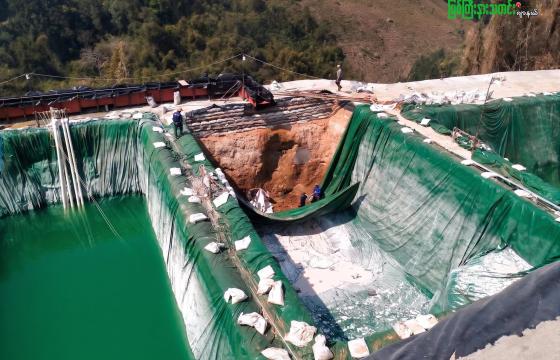
He added that at the gold mining sites, children as young as three and four years old are being infected by malaria, as well as adults.
The Kachin State township worst affected by malaria is currently Sumprabum Township. Cases have also been reported in Injangyang Township, the gold mining areas of Waingmaw Township and parts of Danai Township.
In previous years nearly all recorded cases of malaria in Kachin State were of the milder Plasmodium vivax (PV) strain of malaria. But, this year many more cases of the more deadly Plasmodium falciparum (PF) strain have been recorded. This can cause cerebral malaria, a severe complication that may lead to brain damage or death.
Mr Z explained: “We’re now seeing patients with the PF strain here in Kachin State. If someone gets this type, it’s not enough to just treat the symptoms, they need proper medication and careful treatment to recover.”
In October 2024, around 1,300 people were tested for malaria in Kachin State, and about 800 tested positive for dormant malaria parasites in their livers. Though they were not suffering from the symptoms of malaria they might do in the future. Once the parasite has entered into the bloodstream after someone has been bitten by an infected mosquito it can remain dormant in the liver for up to 13 years, whether or not the patient initially had symptoms of malaria, and can cause the patient to suffer an attack of malaria at any time during that period.
Random tests for malaria infection done throughout Kachin State by the Kachin BPHWT show that three people out of every 100 tested were positive for malaria.
But, some malaria cases go undetected by the Rapid Diagnostic Test (RDT) kits used in the field by the Kachin BPHWT and can only be detected by testing the patient’s blood in a laboratory. So, if possible it is better for people to get a laboratory based test for malaria if they suspect they are suffering from malaria, which can be very hard for people living in rural areas of Kachin State.
There is a shortage of drugs to treat malaria throughout Myanmar, but the shortages are particularly severe in Kachin State. To make matters worse, drugs to treat malaria have a limited shelf life, and by the time they reach rural areas, they are often close to expiring, according to Mr Z.
He said to MNJ: “Even if you have the money to buy the medicine, it’s really hard to find. Malaria drugs only last about two years, but usually by the time they get to Kachin State, it’s been over a year since they were manufactured. And when we finally get them, there’s only about six months left before they expire.”
Despite these shortages and the short window in which the drugs are effective, drugs to treat malaria are piling up at Myanmar ports because they are waiting to be cleared and have the relevant tax charged. These delays are preventing the effective treatment of many people in Myanmar.
Drugs to treat malaria in rural areas of Kachin State used to come from Myitkyina, the Kachin State capital. But there is a shortage of all medicines in Myitkyina, including medicine to treat malaria, so clinics and people who treat malaria in Kachin State are having to order the drugs from further away major cities, like Yangon and Mandalay.
Previously, there also used to be projects that could provide drugs to treat malaria for free to poorer people. But now, due to cuts in donor funding, patients have to typically pay about 30,000 MMK for sufficient drugs for a course of treatment.
Malaria can become life-threatening if not treated promptly, making it crucial to seek a blood test and proper treatment as soon as symptoms appear. Preventive measures, such as avoiding mosquito bites, are also essential to reduce the risk of infection.
The challenges of transporting medicines by road, combined with the high cost of air freight, have exacerbated shortages and driven up prices for all drugs in Kachin State, not just those to treat malaria.
There are also shortages in Kachin State of long-term medications for chronic conditions such as kidney disease, diabetes, and hyperglycemia, according to affected patients.
The Kachin BPHWT also reported that in the areas where it operates and provides healthcare support people are also suffering from respiratory infections, measles, and skin diseases as well as malaria.
Mercury used in gold mining has also contaminated many rivers and streams in Kachin State and this has led to hard-to-diagnose illnesses among locals who consume fish and other food from the contaminated waters.
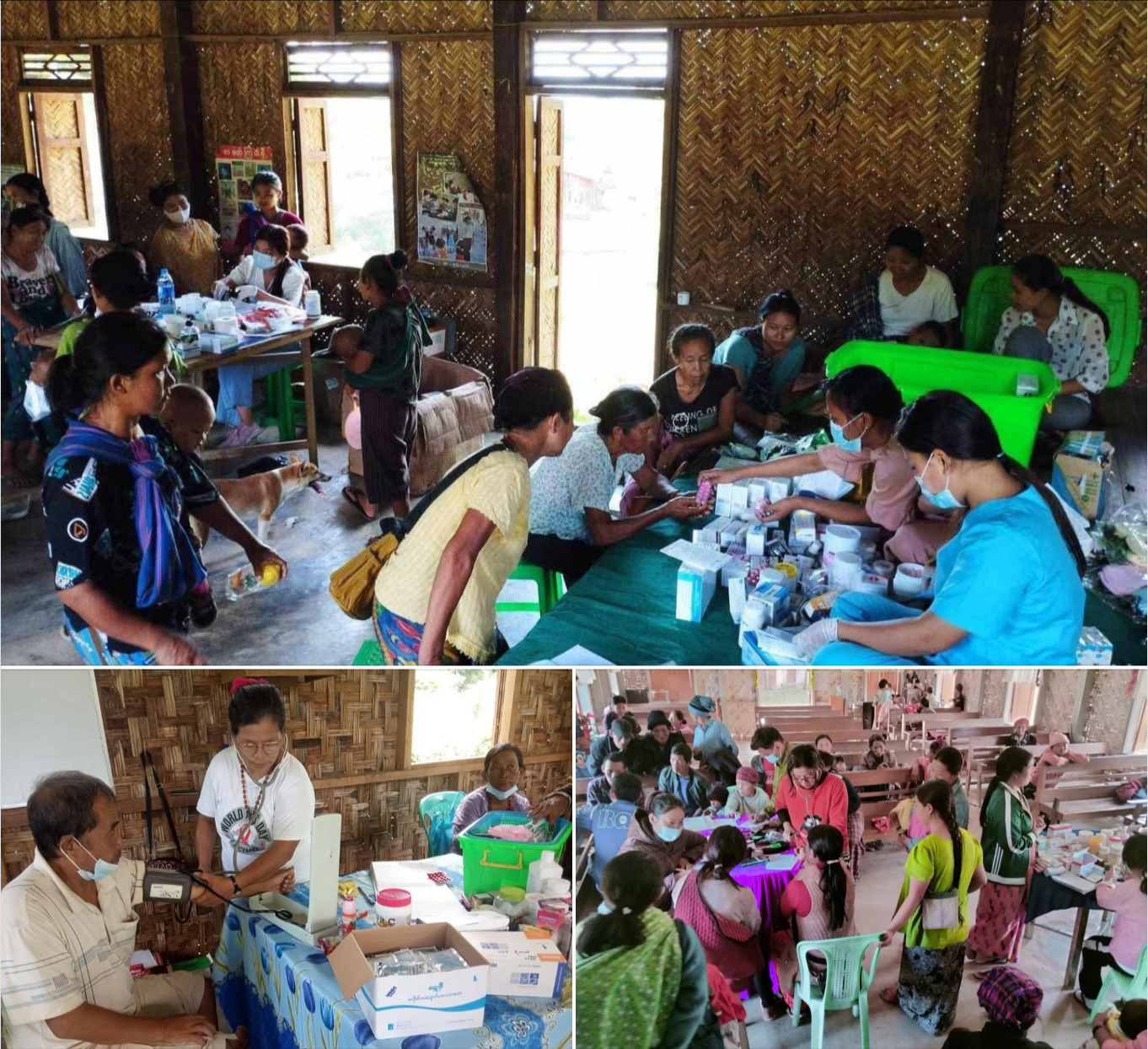
The Kachin BPHWT currently provides mobile healthcare services to villages across six townships in Kachin State and also delivers medical care to internally displaced persons (IDP) camps in Myitkyina and Waingmaw townships.