
The junta has reimposed tighter travel restrictions on holders of National Registration Cards (NRCs) beginning with 11/xxxx — identifiers issued to residents of Arakan (Rakhine) State — since late January, following a series of battlefield setbacks against the Arakan Army (AA).
According to sources familiar with the situation, the junta had previously introduced heightened inspections, movement controls and extortion targeting travelers from Arakan State, Shan State, and the Sagaing and Magway regions in August 2024. Although enforcement had gradually eased over time, similar measures have now returned with increased severity.
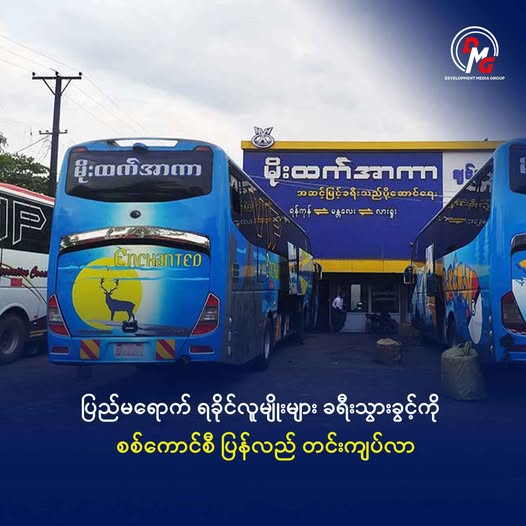
Under the renewed restrictions, highway bus services operating in Yangon, Mandalay and Ayeyarwady regions are reportedly selling tickets to Arakan passengers only if they present valid NRCs along with recommendation letters issued by both local police and ward administration offices.
A bus line owner at Yangon’s Aung Mingalar Highway Bus Terminal said authorities have significantly intensified inspections in recent weeks.
“Since late January, inspections targeting passengers from Arakan and Shan states, as well as Sagaing and Magway regions, have become much stricter. Sometimes an entire bus is stopped from departing just because one passenger cannot show the required documents. If someone holding an Arakan NRC is found on board, drivers and conductors can face threats or be forced to pay money,” the operator explained.
The renewed measures have drawn criticism for violating freedom of movement, a fundamental right of citizenship, particularly affecting Arakan people living in mainland Myanmar.
An Arakan woman currently residing in Yangon described the difficulties travelers now face.
“Bus operators told us we can only buy tickets if we show both our NRC and special travel documents issued by the police. Some companies are even afraid to sell tickets to Arakan NRC holders at all, which makes traveling extremely difficult,” she said.
Since renewed fighting escalated in Arakan State, many residents have fled to mainland regions to escape airstrikes, artillery shelling and worsening living conditions caused by the junta’s restrictions on the flow of goods into the war-torn region.
However, increasing reports of arrests, extortion and intimidation targeting Arakan ID holders at junta checkpoints along major travel routes have led to warnings advising Arakan people to avoid unnecessary travel.
An Arakan man living in Yangon said the restrictions often intensify after military setbacks.
“Whenever the junta suffers losses on the battlefield against the AA, it seems to take out its anger on ordinary Arakan people. That’s why those of us living on the mainland have to be extremely cautious when traveling,” he said.
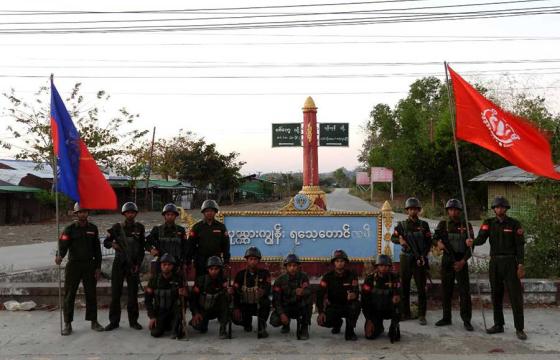
The tightening of controls follows recent military setbacks. On January 30, the junta lost the Koetaungboet camp, located between Kawlin and Kanbalu townships in Sagaing Region to the AA and allied resistance forces. Two days earlier, on January 28, AA-led coalition forces captured Point 666 Hill camp in Bago Region’s Padaung Township, an outpost that provided security for the junta’s Directorate of Defence Industries 16, one of its weapons production facilities.
Analysts suggested that the junta’s discriminatory response to battlefield losses marked by increased targeting of Arakan people could drive more young people toward armed resistance.