
A prominent Thai environmentalist has urged Southeast Asian governments to designate “no-go zones” for mining and dam construction along the Mekong River basin, warning that a proposed mega-dam on the Myanmar-Laos border will severely aggravate a growing transboundary pollution crisis.
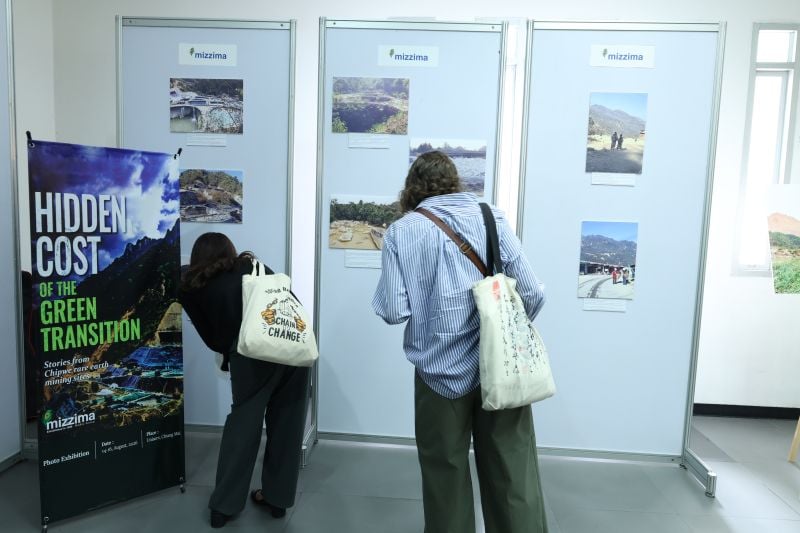
Speaking at a Chiang Mai University conference on August 15, Pianporn Deetes, executive director of Rivers and Rights, warned that runoff from unregulated mining in Myanmar is already poisoning tributaries flowing into Thailand.
She stressed that constructing a major hydropower project on the Mekong mainstream would compound regional ecological damage.
The warning comes after Myanmar junta leader Min Aung Hlaing and Lao officials agreed on July 4 to conduct a joint feasibility study for a 2,790-megawatt hydropower project straddling their shared Mekong border.
If constructed, it would be the largest mainstream dam outside China and the first to span the territory of two nations.
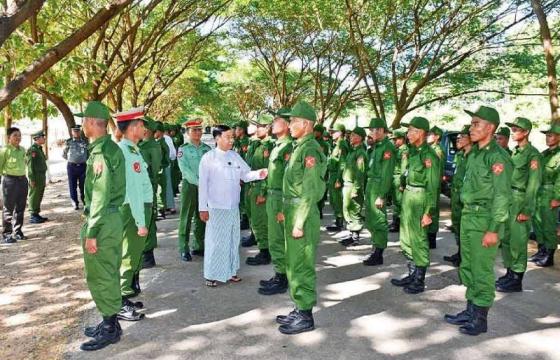
Meanwhile, regional backlash is mounting against a separate pact signed on August 7 in Bangkok, witnessed by Thai Prime Minister Anutin Charnvirakul and Min Aung Hlaing.
The three-year Terms of Reference establish a joint working group on water quality for the Sai and Kok rivers, which suffer from severe runoff originating from unregulated mining in Myanmar’s Shan State.
However, civil society coalitions and members of the Thai Senate have denounced the agreement, citing a complete lack of regulatory enforcement, polluter accountability, or community compensation, as well as a confidentiality clause that hides water-monitoring data from the public.
The surge in pollution is largely driven by the rapid expansion of rare earth mining, concentrated in northern Myanmar's Kachin State.
The region supplies roughly half the world’s heavy rare earths—essential for electric vehicles and wind turbines—where control of mining hubs recently shifted from junta-aligned militias to the Kachin Independence Organisation (KIO).
Despite rising environmental hazards, geopolitical demand for these minerals continues to grow.
India’s ambassador to Myanmar, Abhay Thakur, noted in July that bilateral rare earth cooperation had “gained significant momentum” as New Delhi seeks alternatives to China’s dominance of the global supply chain.