
Women journalists covering Myanmar’s conflict zones face escalating threats, gender-based violence, and declining institutional support five years after the military coup, according to a report released at the end of March.
The report by Myanmar Women in Media, titled Frontline HerStories: Women Journalists Five Years After the Coup, found that female reporters are operating in an increasingly dangerous environment shaped by armed conflict, economic decline, and weakening media protections.
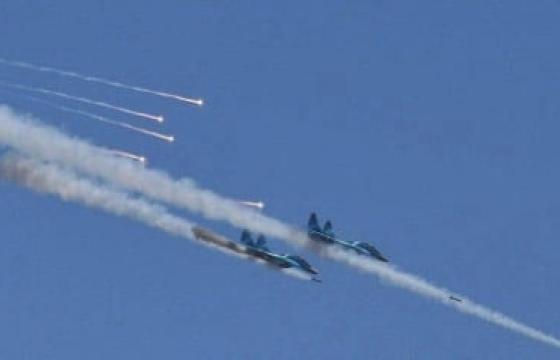
Women working on the frontlines face a “complex interplay” of risks. These include air strikes, artillery bombardments, and psychological trauma, while also confronting gender-specific barriers that restrict access to sources and conflict areas, the report said. Many journalists reported normalising exposure to violence as part of their daily work, despite the long-term mental health impacts.
“In conflict zones, journalists often go where there is danger,” the report noted. Indeed, reporters continue working under threat of attack and detention. Women, however, face additional challenges, including harassment, restrictions on movement, and discrimination from both armed actors and within news organisations.
The study also highlighted widespread sexual harassment and exploitation, particularly in interactions with sources and armed groups. In some cases, access to information or safe passage was tied to inappropriate demands. Online harassment and threats against family members further compounded risks.
Female journalists often rely on informal networks and personal coping mechanisms rather than institutional protection. The report found that many media organisations lack effective safety policies, with existing guidelines poorly implemented or limited to paper commitments.
Economic pressures have further undermined safety conditions. Funding cuts to Myanmar’s media sector since 2025 have reduced salaries, safety resources, and operational capacity. This has forced journalists to take greater risks to continue reporting.
The report concluded that the safety of women journalists depends on stronger institutional support, including the enforcement of protection policies, improved funding, and access to psychological services.
Without these changes, it warned, female media workers will continue to face life-threatening risks while reporting from Myanmar’s conflict zones, highlighting the growing vulnerability of independent journalism in the country.