
The Myanmar military junta's push to restart a controversial, Russian-backed steel plant in Shan State is discharging toxic wastewater into local waterways, causing health issues and crop damage for surrounding farming communities.
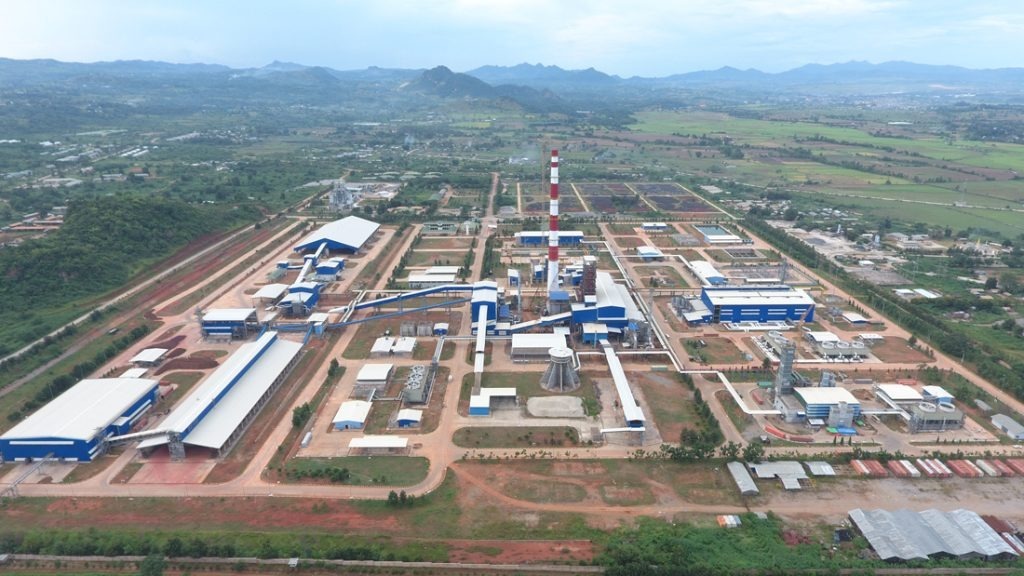
In the low-lying Ponginn region near the Shan State capital of Taunggyi—an area of roughly 30 villages often called the "second Inle" due to its wetland ecosystem—wastewater from the 5,000-acre No. 2 Steel Plant (Pinpet) has mixed with seasonal floodwaters. The toxic runoff has contaminated the Namhtabat Stream, a primary water source for local agriculture and fishing, causing skin rashes among residents and reducing rice crop yields.
"The water in the stream isn't clean anymore, and people are getting itchy," a resident told the Shan Herald Agency for News. "We also think the recent drop in rice yields is because of the wastewater discharged from the plant."
The environmental fallout comes as junta leader Min Aung Hlaing seeks to fast-track the stalled project.
During a visit to Russia last week, the coup leader urged the Russian prime minister to speed up completion of the facility, a project that the junta is paying over €10 million in technical support.
Initiated in 2004 under a joint contract between the military-owned Myanmar Economic Corporation (MEC) and Russian state exporter VO Tyazhpromexport (TPE)—a subsidiary of state arms giant Rostec—the plant was shuttered in 2017 by the civilian-led NLD government after incurring billions of MMK in losses. Following the 2021 coup, the military regime revived the project.
According to civil society monitor Shan State Frontline Investment Monitor (SSFIM), operating the plant will require extracting nearly 1,500 tonnes of coal daily from Kyethi Township. The junta plans to transport refined iron from Pinpet via a newly constructed railway line to another steel facility in Myingyan Township, Mandalay Region.