
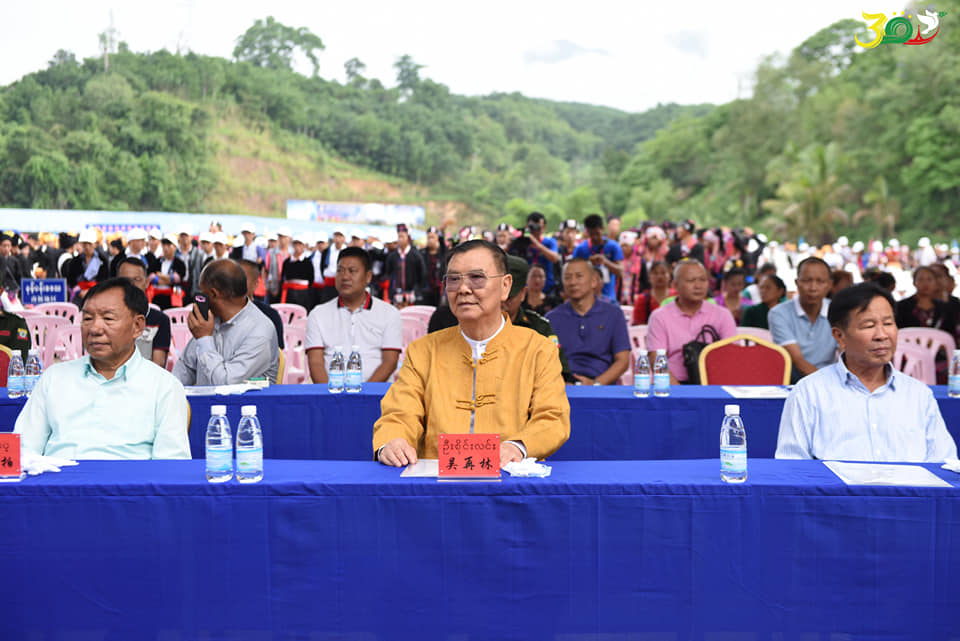
U Sai Leun, the chairman of the National Democratic Alliance Army (NDAA), which controls Special Region 4, also known as the Mong La area, in eastern Shan State, passed away from cancer in China at the age of 78 or 79 on 3 August 2024.
A source close to his family confirmed to Shan Herald that U Sai Leun passed away on the night of 7 August.
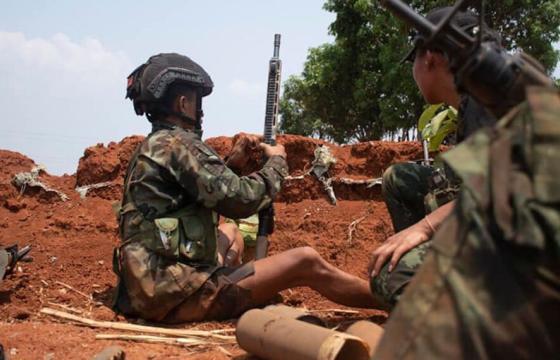
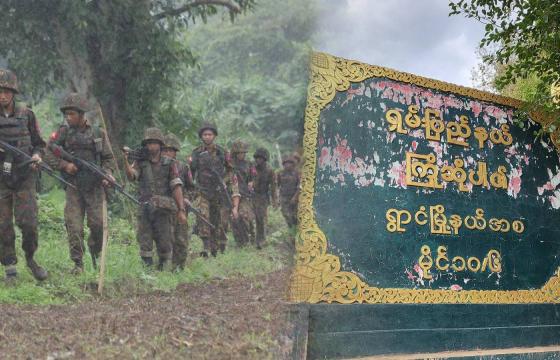
He was the chairman of the National Democratic Alliance Army (NDAA), also known as the National Democratic Alliance Army-Eastern Shan State (NDAA-ESS) and the Mong La Army, the armed wing of the Peace and Solidarity Committee (PSC).
The source said: "He passed away from cancer last night in the hospital. The family is now working on bringing his body back to Mong La.” They added that funeral arrangements had not yet been finalised.
U Sai Leun was married to Daw Nang Yin, the daughter Pheung Kya-shin, the founder of the Myanmar National Democratic Alliance Army (MNDAA).
Before forming the NDAA U Sai Leun was the commander of the Communist Party Of Burma’s (CPB) 815 Division. The NDAA was formed in 1989 from troops that separated from the CPB.
Under U Sai Leun's leadership, the NDAA established control of the area that was designated as Special Region 4, the districts of Mong La, Nanban, and Sele in the easternmost part of Shan State.
The NDAA signed a ceasefire with the Tatmadaw (Myanmar Military) in 1989 and then again in 2011.
The NDAA is estimated to have 3,000 to 4,000 members.