
Myanmar’s military regime has conducted near-daily airstrikes on Arakan (Rakhine) State’s premier tourism hub of Ngapali Beach and surrounding Thandwe Township since early July, leaving at least seven civilians dead and 40 injured, local sources and analysts say.
Between July 19 and August 3, junta forces bombed the coastal area on seven out of 12 days, launching multiple daily sorties that hit urban neighborhoods, rural villages, and the Ngapali hotel zone.
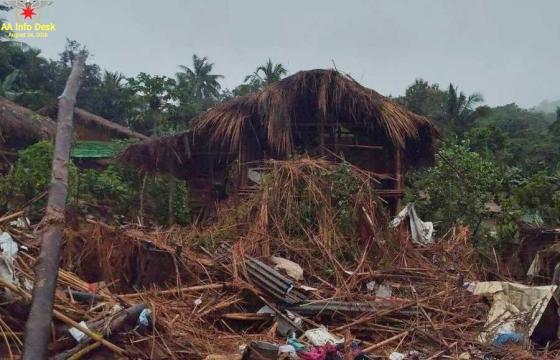
The bombardment has damaged residential homes, resort properties, commercial infrastructure, and local factories.
On July 23, an airstrike directly struck the AZ Family Resort along Lintha Beach, causing civilian casualties and extensive damage to the facility.
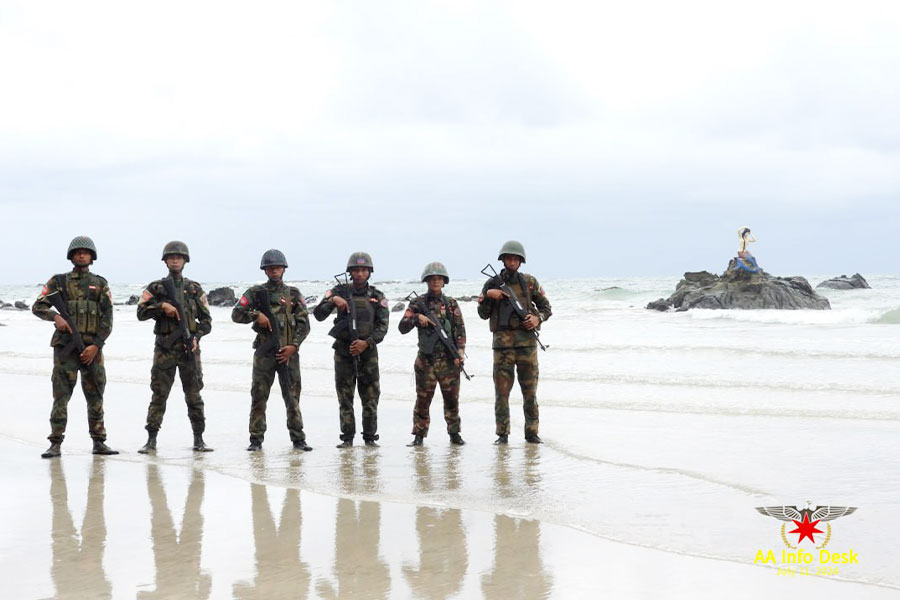
Thandwe Township, home to Ngapali Beach, a regional airport, and major hospitality infrastructure, was captured by the Arakan Army (AA) on September 5, 2024, following a five-month offensive.
Despite the opposition's civilian wing—the Arakan People’s Revolutionary Government—establishing local administration, healthcare, and public services, the area remains under constant aerial and naval fire.
Analysts attribute the regime’s deliberate targeting of civilian infrastructure to economic resentment and strategic desperation.
"The regime had extensive financial investments in Thandwe and Ngapali. Having lost control, they are adopting a scorched-earth, 'spoilsport' approach: if they cannot hold it, no one can," said U Bo Myat Tun, an Arakanese political analyst. He noted that top military brass, including junta leader Min Aung Hlaing, held personal business interests in the hotel sector.
In addition to airstrikes, junta warships positioned off the coast have intensified naval shelling, further terrorizing residents.
"Previously, single aircraft carried out strikes. Now, three or four jets approach simultaneously with little warning," a resident said. "We only hear them about 10 seconds before impact. There is no time to seek shelter."
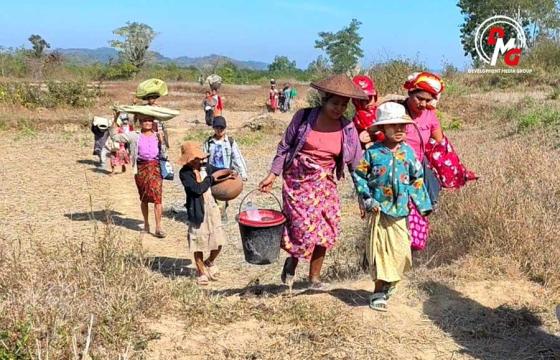
The persistent bombardment has forced widespread displacement, disruption to local livelihoods, and destruction in southern Arakan State, which borders the Ayeyarwady Region and holds strategic maritime access.