
More than 3,000 internally displaced people (IDPs) who fled their homes due to fighting in southern Myawaddy Township near the Thai border are grappling with food shortages as donor support continues to decline.
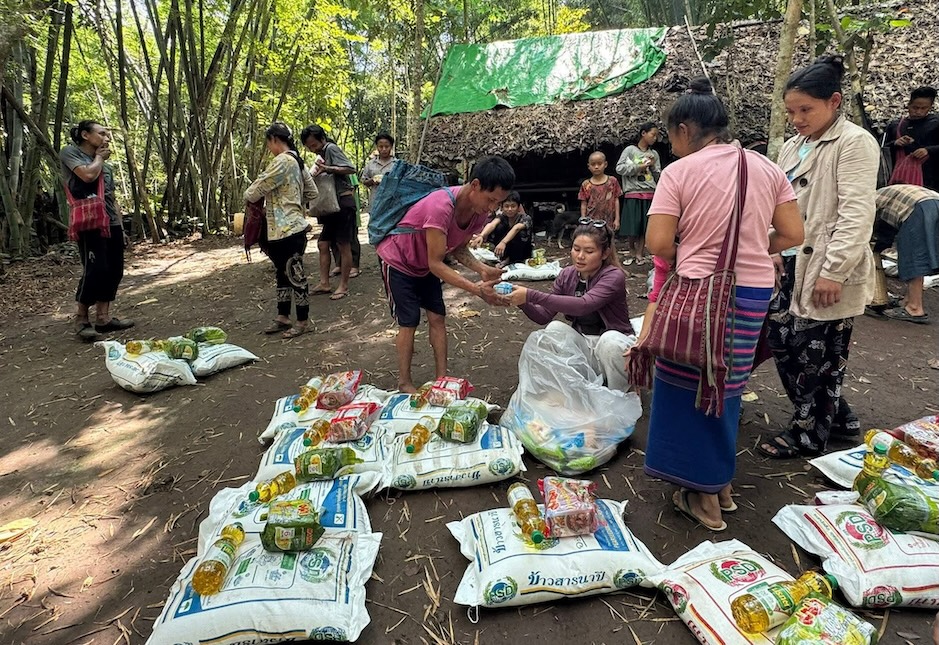
The IDPs, displaced for an extended period by armed clashes in the southern part of Myawaddy Town, began facing shortages of rice and other basic food supplies in early January. The situation has worsened as the number of donors providing assistance has dropped significantly.
According to aid workers assisting displaced communities, IDPs in southern Myawaddy Township who are currently sheltering in eight refugee camps are in urgent need of food assistance.
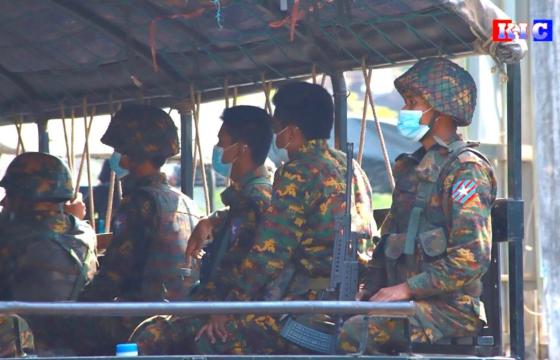
Since the military coup staged by the junta in 2021, armed resistance has spread across the country. In the southern areas of Myawaddy Town, which fall under the control of Brigade 6 of the Karen National Union (KNU), fighting between the junta and the KNU’s armed wing, the Karen National Liberation Army (KNLA), has continued for nearly five years.
As the fighting has yet to subside, around 330 displaced households from villages including Yathaytgu, Inngyinmyaing, Nupo, Minletpan, and Hpayarkone still do not dare to return to their homes. With food shortages worsening, they are struggling to survive by relying on makeshift and improvised coping methods, according to the Lay Kay Kaw Youth Network, a social relief group based in Lay Kay Kaw Town in southern Myawaddy Township.
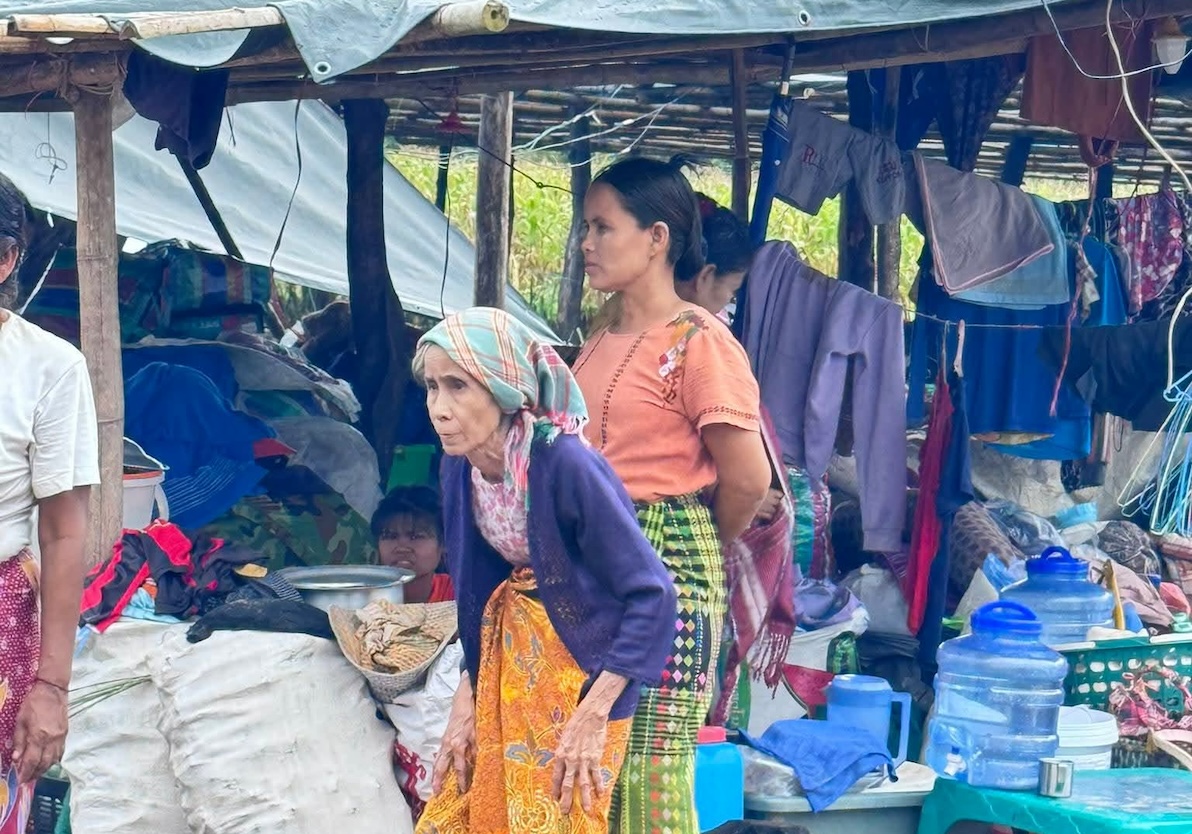 “Food shortages have already begun across all eight camps, and IDPs are trying to cope using makeshift methods. It is winter now and the weather is extremely cold, but because the fighting has not calmed down, they still don’t dare to return home. Donor assistance has become very irregular, and food supplies are now running critically low,” said a member of the group.
In addition to food shortages, the camps are also facing serious gaps in healthcare services, education services, and access to learning materials.
“There is a serious need for healthcare workers and medicines here,” an official from Thaybawboe camp told KIC. “We also urgently need food. Unlike before, aid from relief groups is no longer reaching us,” he added.
Previously, donors from Mae Sot and Bangkok in Thailand regularly provided assistance to IDPs along the border. However, such support has now become extremely rare. As a result, IDPs are suffering not only from food scarcity but also from a lack of basic healthcare and education services, the camp official said.
During 2025, the junta launched military operations under the pretext of cracking down on telecom scam businesses operating along the Thai–Myanmar border. These operations also targeted KNLA positions, triggering renewed fighting.
Ongoing clashes on the Myanmar side of the border prompted Thai authorities to close border crossings and tighten security measures, further restricting the delivery of aid to IDPs, according to border sources.