
Ground-level human rights defenders in Myanmar are facing severe psychological trauma, physical exhaustion, and constant security threats as they continue documenting military atrocities under intense junta surveillance, a rights watchdog warned on Monday.
The Kachin Human Rights Watch (KHRW) called on the international community to step up direct assistance for activists who risk arbitrary arrest, torture, and enforced disappearance to expose war crimes across the country.
The appeal follows the release of KHRW’s August 27 report, titled “Living with Fear, Working in Silence,” which details the worsening security risks, travel restrictions, and livelihood challenges confronting human rights researchers in Kachin and northern Shan states.
“People documenting human rights violations continue their work despite being constantly watched, monitored, and followed,” said Seng Mai, a spokesperson for KHRW. “This relentless surveillance inflicts severe psychological stress, while chronic fatigue is taking a heavy toll on their long-term health.”
The crackdown extends well beyond northern Myanmar. According to Nai Aue Mon, program director of the Human Rights Foundation of Monland (HURFOM), activists in Mon State, Karen State, and the Tanintharyi Region face similar aggressive targeting.
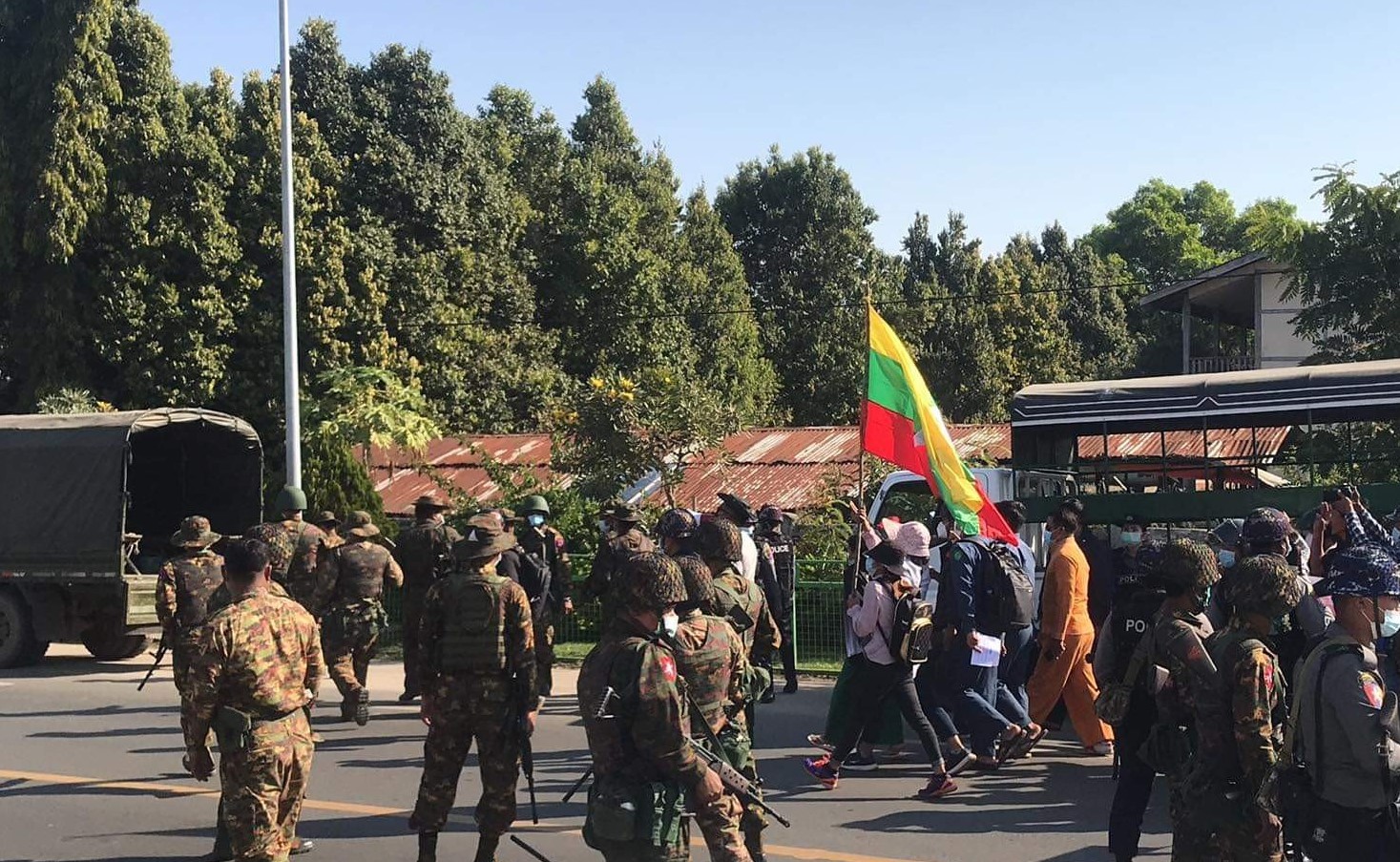
“Since the coup, security risks for human rights workers and civil society staff have escalated dramatically,” Nai Aue Mon said. “They face arbitrary arrest, interrogation, and torture, while authorities inspect their digital devices and restrict their movements. In the worst cases, activists have gone missing.”
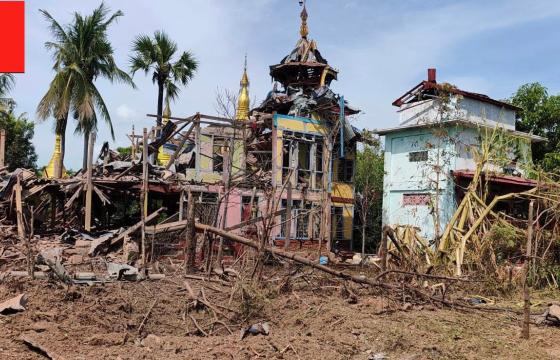
Across conflict-plagued Myanmar, junta forces continue to commit widespread human rights violations—evicting civilians, burning homes, using villagers as human shields, and forcibly abducting youth for military conscription.
To suppress evidence, the regime frequently cuts telecommunications and internet access in heavy conflict zones. Where internet access remains, authorities use advanced surveillance technology to track digital activity and movement.
In light of these conditions, KHRW urged international donors and global agencies to bypass conventional bureaucratic procedures that delay aid and deliver support directly to local civil society organizations (CSOs) on the frontlines.
“Despite operating under extremely dangerous conditions, human rights defenders must continue documenting these violations,” Seng Mai added. “That is why the international community must maintain and increase its support for them.”