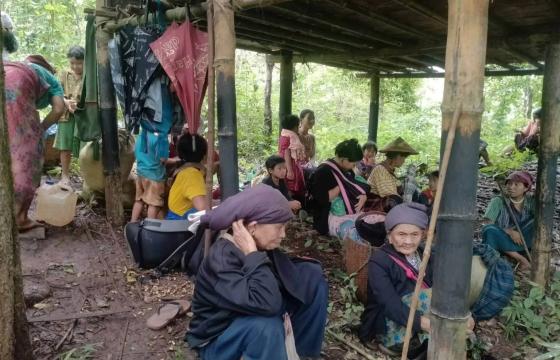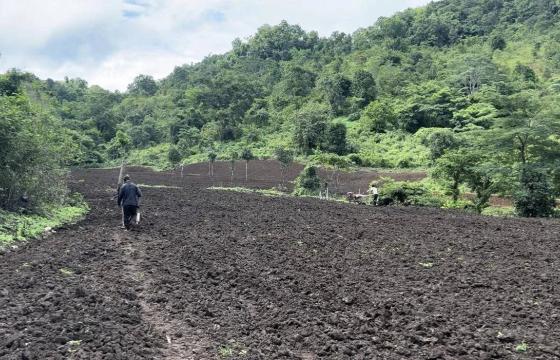


Displaced farmers farmers in the two IDP camp in Pruso Township, karenni sttate grow winter crop for their livelihoods; however, the number of households planting in the winter season in this year has sharply stated IDPs.
A displaced woman explained that because the farms is close to a military commission outpost, they face travel restrictions and constant fear due to security risk such as drones, and heavy artillery attacks. As a result, they are unable to cultivate their winter crops this year.
“It’s no longer easy for us to reach our farms because of the movement restrictions, and the military troops are still stationed nearby. People are afraid of drones and artillery attacks. That’s why we can’t grow winter crops like we used to, and even accessing our farmland has become difficult,” the displaced woman said.
According to displaced residents, communities in both camps have been planting winter crops since late 2022—typically from the last week of November to the first week of December—as a way to sustain themselves during displacement and reduce household expenses.
Displaced farmers normally receive seed donations from local community organizations to support seasonal cultivation each year. Many also rely on seeds they saved from previous harvests. In normal years, farmers not only receive donated seeds but also financial assistance to expand their cultivation. Some farmers also grow winter crops through their own self-reliant efforts to sustain their livelihoods.
IDPs have been unable to return to their homes for more than four years, facing growing challenges in securing food, income, and basic living costs. Many said that winter farming has become a crucial survival strategy, helping reduce daily household expenses and lessen their reliance on purchased goods.
With the prices of essential commodities continuing to rise, displaced families increasingly depend on winter crops as an affordable alternative to expensive market products. Major crops cultivated during the season include garlic, onions, lettuce, coriander, red radish, mustard greens, various beans, and other vegetables grown primarily for household consumption.
The two IDP camps in Pruso Township are home to more than 300 households—over 1,500 displaced people—who continue to face strict movement restrictions and security risks that prevent them from returning to their villages as fighting persists in the area.