
Community-based organisations (CBOs) have urged the Thai government to allow refugees in camps along the Thailand-Myanmar border to work legally in Thailand.
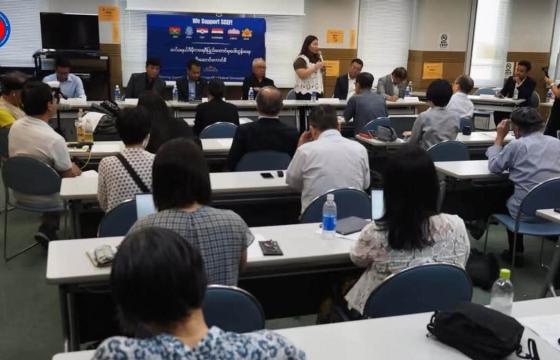
On 15 July 2025, 11 Thai and Myanmar-based CBOs submitted requests to the heads of five key committees, national security, legislative affairs, labor, foreign affairs and social welfare, in Thailand’s House of Representatives, the lower house of the National Assembly.
They called on the committees to allow refugees in the border camps along the Thai border, some of whom have been living in the camps for nearly 40 years, to work legally in Thailand. The request was made because international humanitarian aid that used to help support the refugees is about to be stopped.
On 17 July the CBOs also issued a public statement calling for refugees to be allowed to work in Thailand.
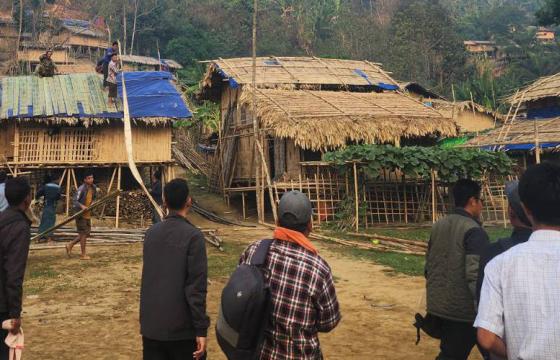
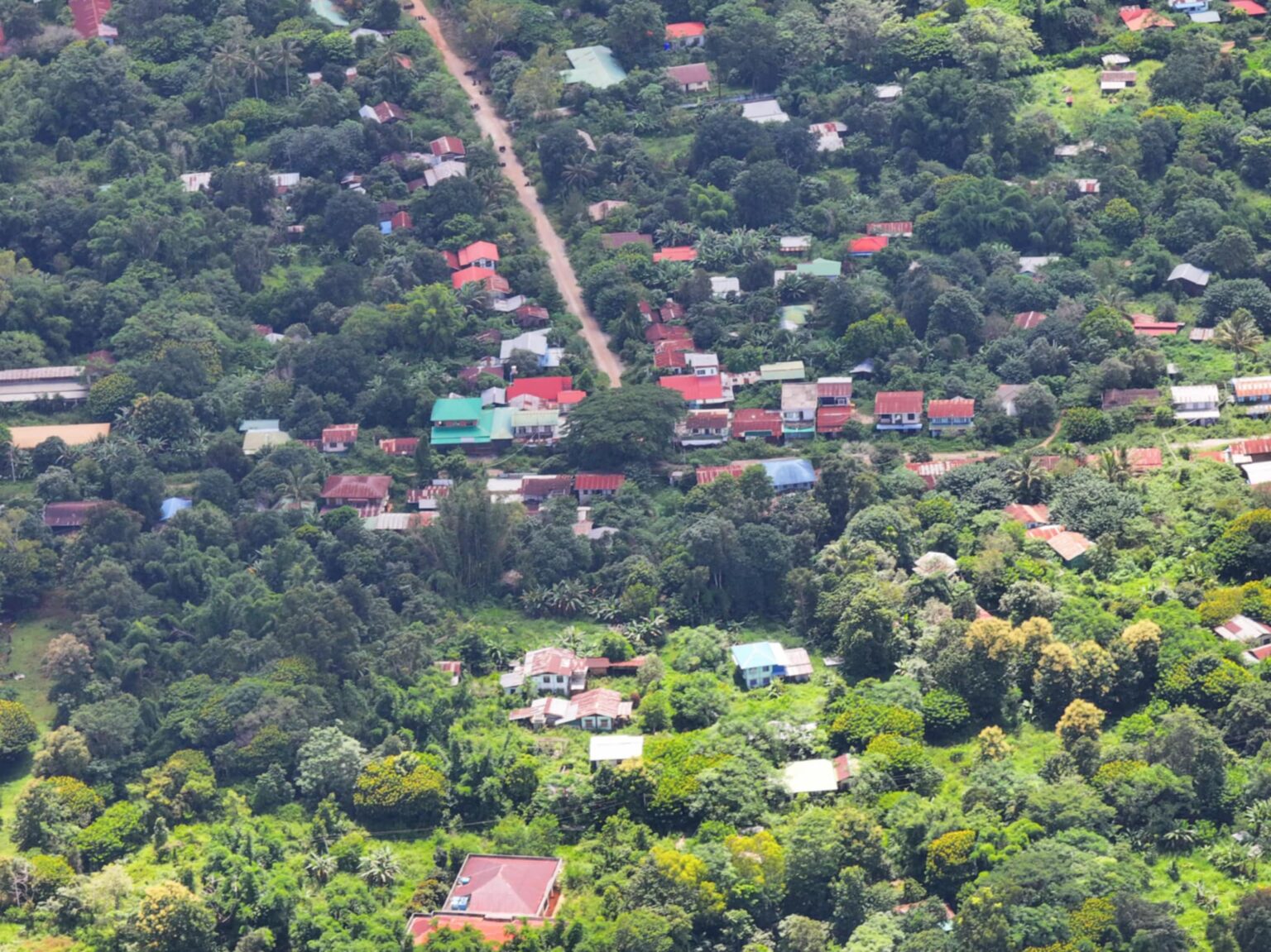
Around 100,000 refugees are living in nine camps along the Thailand-Myanmar border. Four camps are in Mae Hong Son Province, three are in Tak Province and one each in Kanchanburi and Ratchaburi provinces.
Those refugees are already struggling but all international humanitarian aid for those refugees is set to end permanently at the end of July, meaning that they will face even greater problems. It is this suspension of aid that motivated the CBOs to request that the Thai government allow the refugees to work.
Naw Cherry, a spokesperson of the Karen Peace Support Network (KPSN) said: “Our main request is for the Thai government to create some form of permit that lets refugees leave the camps for work. We want them to have this legal right, not just endless policy discussions. We, together with fellow CBOs, making a total of 11, have come together to issue a statement calling on the Thai government to seriously consider helping both migrant workers and refugees.”
The CBOs also put forward five recommendations that would help facilitate refugees getting work. These included launching pilot projects that allow refugees to work near the camps, exempting them from the tax-like fees required to obtain work permits, and registering unregistered refugees in cooperation with the United Nations High Commissioner for Refugees (UNHCR).
The imminent end of international aid is not only posing a serious threat to the livelihoods of the refugees in the camps, it is also causing them significant psychological stress, according to Maw Phray Myar, the chairperson of the Karenni National Women Organization (KNWO), who said that the pressure is especially heavy on breadwinners who are the primary providers for their families.
She said to NMG: “This stress has hit male heads of households especially hard since they’re usually the main breadwinners for their families. Everything—food, healthcare, the kids’ education—depends on them. But without the right documents, they can’t legally work outside the camps, putting them at constant risk of arrest. If caught, they often face complicated legal battles. On top of that, Thailand has been increasing checks and cracking down more harshly on undocumented workers. With refugees unable to return home, they remain stuck and under intense pressure.”
Naw Cherry said that the CBOs hope to create opportunities for these refugees so that they can regain some dignity by earning an income and becoming self-reliant.
She said: “Aid cuts keep coming one after another in the border camps. We don’t want these struggles to go on for generations. We want refugees to live with dignity and independence.”
The CBO’s statement also stressed that refugees are not a burden on Thailand and pointed out that instead, they could benefit the Thai economy as Thailand is facing labour shortages and many refugees have skills and academic qualifications which could be of benefit to employers.