
A strategic border highway connecting Myanmar to India remains unsafe for commercial traffic despite a major junta offensive aimed at securing the route for a multinational infrastructure project, local sources and resistance fighters report.
Following talks between Myanmar junta leader Min Aung Hlaing and Indian officials in late May to expedite the India-Myanmar-Thailand Trilateral Highway and the Kaladan Multi-Modal Transit Transport Project, the military launched a two-pronged offensive on June 7. Deploying thousands of troops, heavy artillery, and airstrikes from Tamu and Kalay, junta forces sought to retake a key road section controlled by the People’s Defense Forces (PDF) for over two years.
On July 31, the regime claimed full control of the Tamu-Kalay section. However, local monitors say the military’s hold is precarious.
“Their control is limited only to the main highway and adjacent outposts,” a border trade analyst told Mizzima. “Resistance forces remain active in the surrounding area, so trade will not resume easily.”
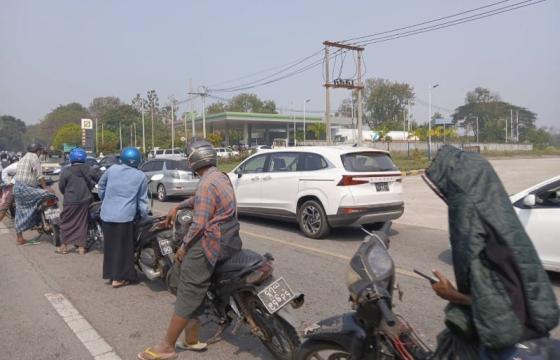
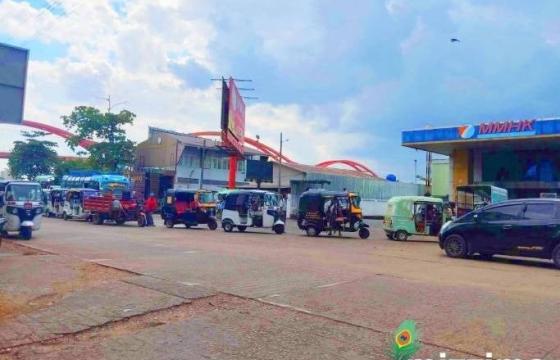
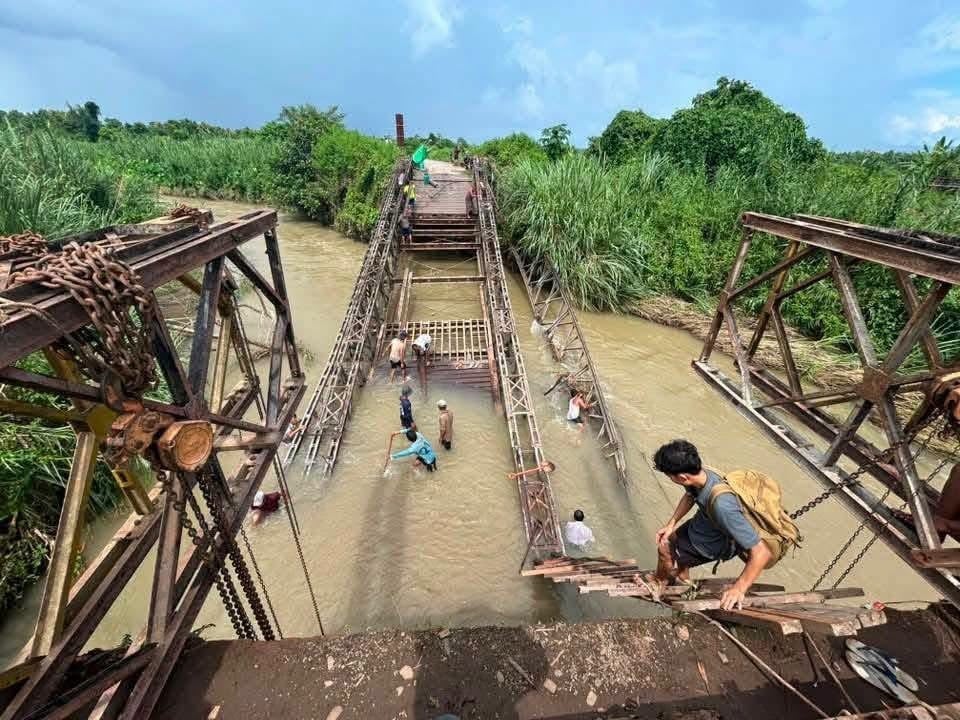
Crucial infrastructure along the route, including the Nanmuntah and Twi Van bridges, sustained severe damage during the fighting. While repairs are underway, no completion date has been announced. Currently, cargo trucks and passenger vehicles can only travel from Kalay to Khampat. To reach Tamu, travelers are forced to detour through Indian territory by motorbike via Kamma Gyi.
To consolidate its gains, the military is replacing frontline troops along the highway with Special Police Commandos, establishing pro-junta Pyusawhti militias in nearby villages, and conducting clearance operations.
Simultaneously, the regime is attempting to secure the adjacent 115-mile Kalay-Yagyi-Monywa highway. Although the military claimed control of this section on July 7, resistance forces dismissed the move as a brief publicity stunt and reasserted dominance shortly after. On August 15, two new military columns—including a 400-strong unit from Kalewa and another from the Northwestern Military Command in Monywa—began advancing along the corridor.
“We are waiting to see if they intend to build permanent bases or simply sweep through,” a PDF military officer said, adding that heavy clashes and escalated airstrikes could follow if the junta attempts a prolonged occupation.
The $125.8 million (12 billion Indian rupees) Trilateral Highway project, led by New Delhi, aims to connect Moreh in Manipur, India, through central Myanmar to Mae Sot in Tak Province, Thailand. Demonstrating India's ongoing interest, Indian Ambassador to Myanmar Abhay Thakur met with junta-appointed Sagaing Region Chief Minister U Ko Lay and project staff in Kalay on July 26 to discuss progress along the corridor.