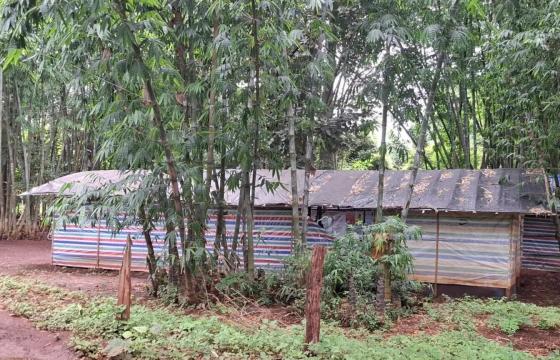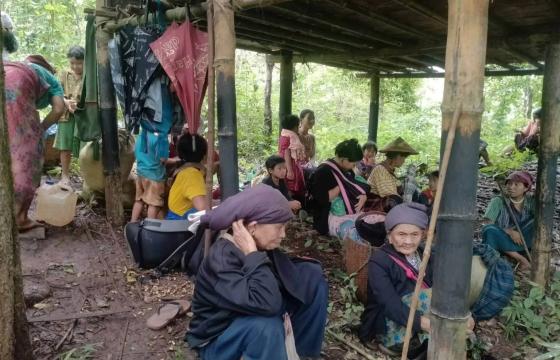

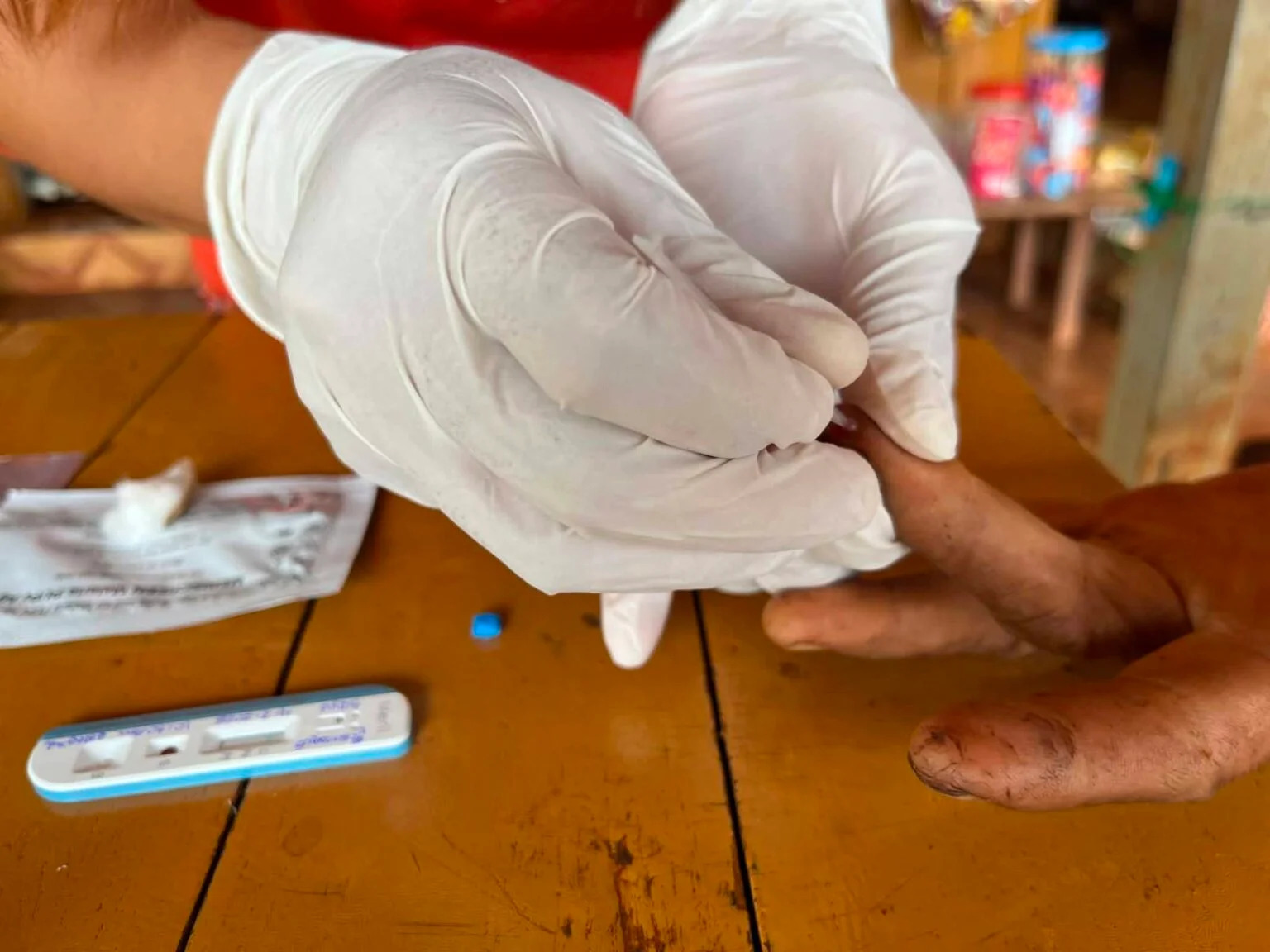
Malaria and dengue fever continue to spread rapidly among internally displaced persons (IDPs) across Karenni (Kayah) State, with ongoing conflict and lack of proper shelter complicating control efforts, local health officials said.
While current wartime conditions make total eradication nearly impossible, the Health Ministry of the Interim Executive Council of Karenni State (IEC) emphasized that field teams are pushing ahead with all available prevention and treatment measures.
“I don’t think it’s easy to eliminate,” said Saya Philip, Director of the IEC’s Health Ministry. “Under current circumstances, even though we have a plan, execution is tough. People are taking refuge in the forest without proper shelter, constantly exposed to mosquitoes. It is hard to do this work under these conditions. But that doesn't mean we are giving up—we are doing everything we can on both prevention and treatment.”
Philip noted that while malaria transmission is expected to persist throughout the ongoing rainy season, no deaths from malaria or dengue have been recorded in the state so far this year.
Both mosquito-borne illnesses spike annually during the monsoon season, which began in June, posing a recurring health crisis for local communities and displaced populations fleeing ground clashes and air strikes.
Dr. Ye Zaw, a frontline physician providing mobile healthcare services in the state, stressed that avoiding mosquito bites remains the most critical defensive measure on the ground, despite the harsh living conditions.
"Both dengue and malaria are transmitted by mosquitoes," Dr. Ye Zaw said. "If people can avoid bites, these diseases will naturally subside. So our focus is getting basic protection tools to these communities."
In Shadaw Township, a medic caring for displaced families reported that while infection rates remain concerning, daily cases have seen a slight decline compared to peak conflict periods.
“It’s better than in previous months,” the medic said. “During heavy fighting, we were treating about 10 cases a day. Now it has dropped to around three cases a day on some days. It’s still occurring, but the pressure has eased somewhat.”
According to data compiled by the Karenni Human Rights Group (KnHRG), around 300 malaria cases were documented in Karenni State in June alone.
Local aid groups report that severe transportation blockades imposed by the military regime continue to cause acute shortages of essential medicines and diagnostic kits across displaced camps.