
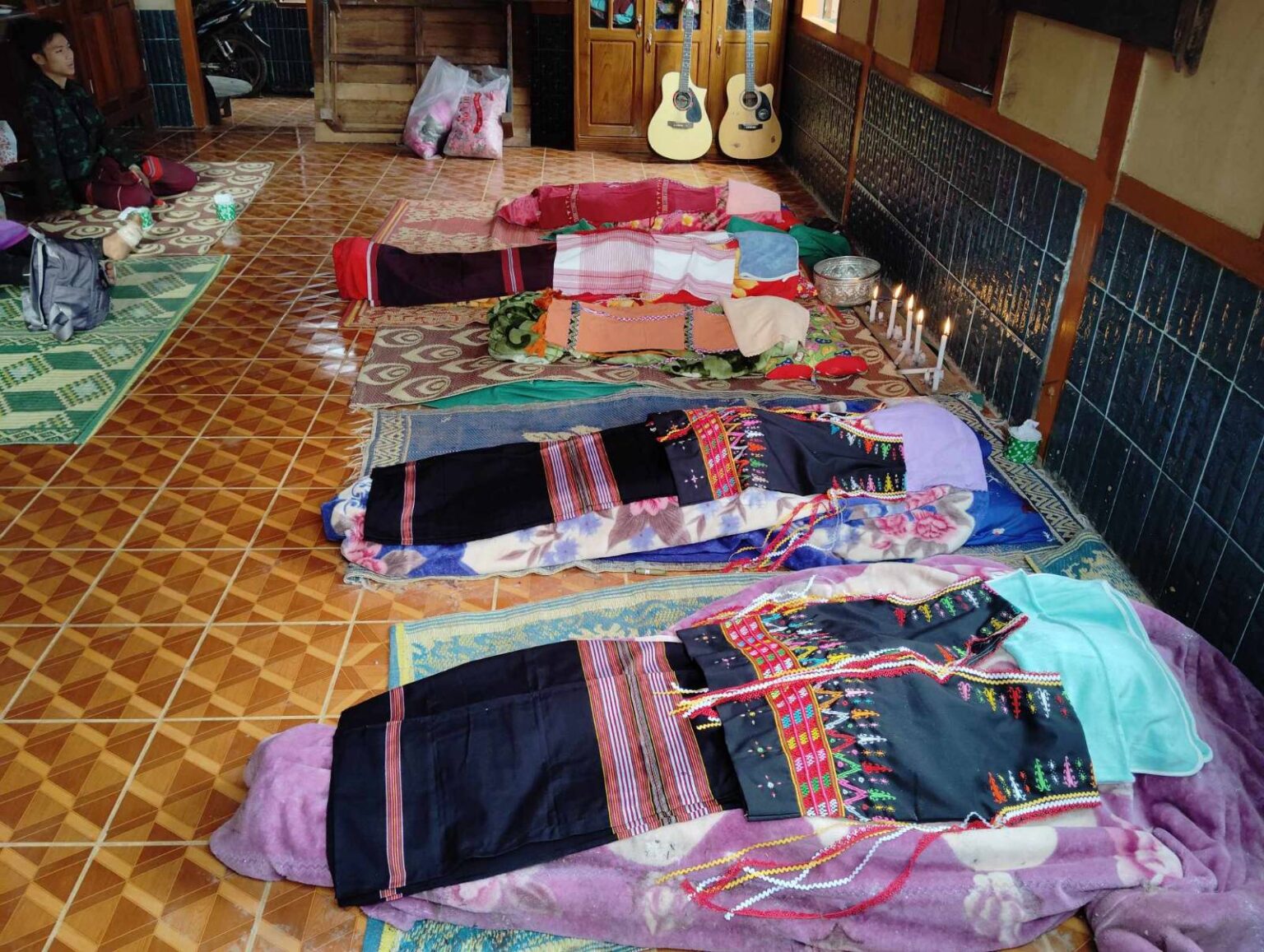
Between 1 January and 9 July 2025, junta airstrikes killed 33 civilians and injured a further 94 in Karenni State, according to the Karenni State Interim Executive Council (IEC).
Of those killed, 15 were men, nine were women, seven were children and seven victims were unidentifiable, according to a 9 July statement by the IEC, a provisional Karenni government that was set up on 12 June 2023 by the Karenni State Consultative Council (KSCC) and provides an administration in resistance held areas of Karenni State.
Of the 94 people wounded in airstrikes, 16 were men, 10 were women, 13 were children and the gender of the remaining 55 people was unknown, according to the IEC.
U Banyar, Secretary Two of the IEC, said: “Junta airstrikes happen frequently in our Karenni State. Almost every part of the state is under constant threat, so people have become more or less aware of the danger. Communities have even built bomb shelters at the township and village levels. But the problem is, the junta often attacks at night while people are sleeping, or at completely unexpected times. On top of that, our warning system and preventive measures are still very weak. That’s why we deeply regret not being able to provide effective early warnings to fully protect our people.”
Following the junta’s indiscriminate bombing of military and civilian targets in Karenni State, U Banyar called on the international community to urgently establish safe zones where civilians could shelter.
He said: “We urgently need international pressure and support to establish safe zones and no-fly zones wherever possible to stop the junta’s bombing of civilian areas. Only that can truly protect the lives and property of the people.”
During the same period, between January and July 2025, junta artillery fire, drone strikes, and shootings also killed a further 29 civilians and injured 114 more in Karenni State, according to the IEC. Of the dead 18 were men, three were women, six were children and the gender of two victims was not identified.
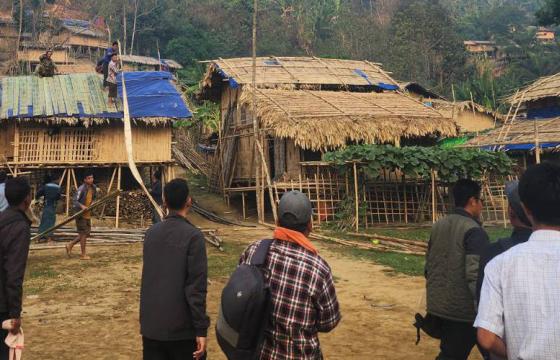
The junta has perpetrated many war crimes against civilians in Karenni State. These include the burning of homes, blocking supply routes to create shortages for the local population and launching military operations in residential areas, according to the IEC statement.