
Cases of diarrhoea and skin disease are surging in the Inle Lake area of southern Shan State, following the 28 March 2025 earthquake.
Since the second week of April, residents of the Inle Lake area have been suffering from diarrhoea and skin disease due to unclean water as well as suffering illness due to the weather changing as the seasons change, according to a 30-year-old woman who had already suffered from a bout of diarrhoea.
She said: “The water we use is not clean now, but there is no other option. Bathing in it causes skin irritation, and drinking it leads to diarrhoea. On top of that, people are also getting sick because of the seasonal change.”
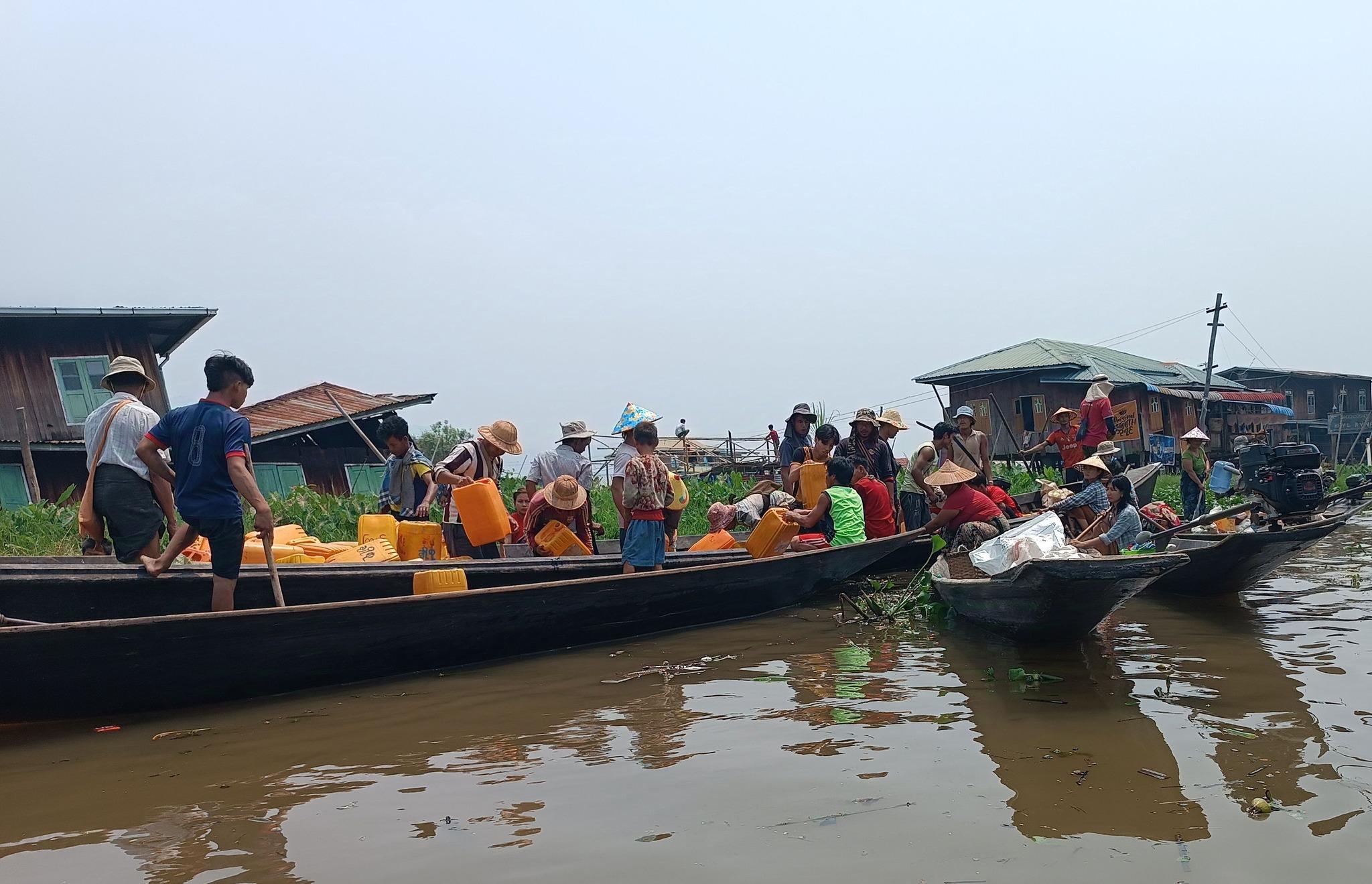
Residents of the Inle lake area, where many of the houses that were built on stilts over the lake water’s edge and damaged by the earthquake, are having to rely on rapidly diminishing stockpiled supplies of drinking water, as normally available water remains too contaminated to drink. There is also a shortage of toilets as many were destroyed in the earthquake, which could exacerbate any outbreaks of diarrhoea.
A woman living in the Inle lake area who survived the earthquake said to Shan Herald: “Here, the main need for everyone is drinking water. When the water sources become contaminated, we have to rely mainly on stockpiled water provided by donors, but that won't even last another month. Last year, when the Inle Lake area flooded, we faced the same drinking water problems. Now, that struggle has returned because of the earthquake. The need for toilets is also huge here. Right now, several families have to share each toilet.”
The 28 March 2025 earthquake, that had its epicentre under Sagaing Region, wreaked havoc in the Inle Lake area where it destroyed around 3,500 houses in about 30 villages. Nearly all those villages are now facing drinking water shortages and outbreaks of diarrhoea have also been reported from the villages of Killar, Zayatgyi, Nampan, and Sheywagyi.
Drinking contaminated water can lead to diseases such as diarrhoea, hepatitis, typhoid, and polio. In severe cases, it can even be life-threatening.
Health organisations have been providing medicines to earthquake-affected communities, but there is still a significant shortage of medicines in the Inle Lake area.